
24/7 Customer Support

Free returns

Same-day & Next-day Delivery

Quality Guaranteed

Unlock Your Welcome Offers: FREE Delivery | Up to 80% OFF | Free 30-day JoyPlus trial
Download the APP
In a world of interconnected devices, the humble USB-C to USB-C cable has become an essential accessory. From charging your iPhone 15 and powering your laptop to syncing files on your tablet, a reliable cable is non-negotiable. Yet, the market is flooded with options that often over-promise and under-deliver. Many of us have a drawer full of frayed, slow or completely dead cables to prove it.
As the Joybuy Product Recommendation Officer, my role is to help you cut through the clutter. Before you spend another pound on a cable that will fail in a few months, let’s look at the common pitfalls and what specifications truly matter.
fast charging USB C cable, but this term is often misleading. A cable's true speed is determined by its power delivery (wattage) rating. Using a 60W cable with a laptop that requires 100W will result in frustratingly slow charging, or in some cases, the battery may even continue to drain.braided USB C cable doesn't guarantee a long life. The most frequent point of failure is the strain relief—the small, flexible section where the wire meets the metal connector. If this part is poorly designed, the internal wires will break from everyday bending, rendering the cable useless.Type C to Type C cable options transfer files at high speed. In reality, the vast majority of charging cables on the market only support USB 2.0 data speeds (around 480Mbps). This is adequate for syncing a few photos but painfully slow for transferring large video files or backing up your device.To ensure you get a cable that meets your needs, focus on these three critical parameters.
This is the single most important factor for charging speed. Power Delivery, or PD, is the technology that allows your charger, cable and device to communicate and deliver the optimal amount of power.
USB C cable for laptop use that matches or exceeds your device's power requirement. A MacBook Air might be fine with 60W, but a MacBook Pro or a performance Windows laptop will require a 100W USB C cable or even higher to charge at full speed. Always check your original charger's wattage to find the right match.A cable's longevity depends on its construction. Look beyond just the outer material.
Consider where you will be using the cable most often.
2m USB C cable is ideal for reaching distant wall sockets from your bed or sofa, or for use in conference rooms where power outlets are inconveniently placed.Instead of a generic list, we've matched specific cables to different user needs, helping you find the right fit for your lifestyle.
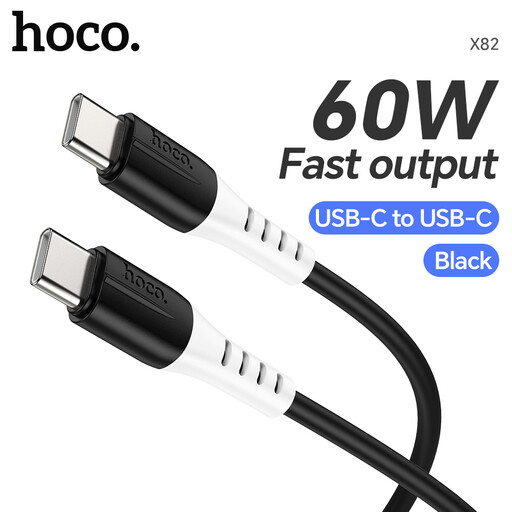
Why This Fits Their Persona: This is a practical choice for charging a smartphone, tablet or headphones. The silicone material feels pleasant to handle and, most importantly, resists the tangles that plague standard cables, making it great for throwing in a bag.
It clearly states its 60W power limit, managing expectations perfectly. It avoids the durability trap with a flexible silicone body that is inherently resistant to kinking and fraying at the connector joint.
The tangle-resistant silicone jacket is a standout feature for daily portability. It provides ample power for all non-laptop devices, including the latest iPhone 15.
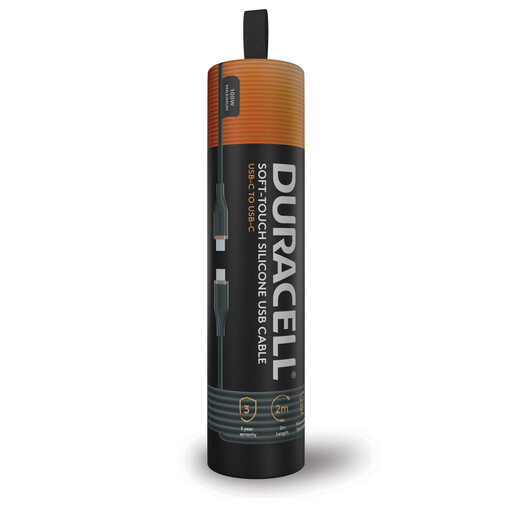
Why This Fits Their Persona: For those who rely on a laptop for work, this cable is a dependable workhorse. The 100W capability ensures even powerful machines charge quickly, and the 2-metre length is perfect for navigating office desks, airport lounges and hotel rooms.
It delivers a genuine 100W charging capability, solving the "fast charging" myth for laptop users. Its construction, featuring a double-braided nylon exterior and Kevlar fibre core, directly counters the durability deception.
A powerful 100W PD charging cable performance combined with a generous 2-metre length and a robust, wear-resistant build. It's a single-cable solution for all devices.
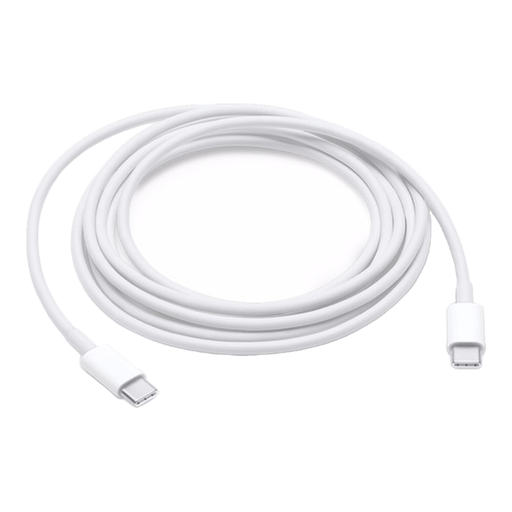
Why This Fits Their Persona: For users invested in the Apple ecosystem, this official cable ensures seamless compatibility and reliability. The woven design is a significant improvement in durability over older Apple cables, and the 2-metre length adds much-needed convenience.
While it supports up to 60W, its main benefit is guaranteed compatibility with Apple's charging protocols. The woven construction is Apple's direct answer to the durability complaints that plagued its previous non-braided cables.
Official Apple product ensuring reliable performance with iPhone, iPad and MacBook. The durable woven design and practical 2-metre length make it a solid upgrade.
We have compiled a complete, real-time list of products that fully satisfy these strict selection criteria and UK safety regulations.
1. Do I need a 100W USB C cable for my iPhone 15? No. The iPhone 15 series has a maximum charging speed of around 27W. A cable rated for 60W is more than enough to charge your iPhone at its fastest possible speed. A 100W cable will work perfectly fine, but it will not provide any additional charging speed for the phone itself.
2. Why is my new fast charging cable charging my laptop so slowly? This usually comes down to a power mismatch in your setup. For high-speed laptop charging, three components must all support the required wattage: the laptop's charging port, the power adapter (the plug) and the PD charging cable itself. If any one of these is rated for a lower wattage (e.g., a 60W cable with a 96W laptop), the entire system will default to the slower speed.
3. Is a braided cable always more durable? Not always. While a braided USB C cable provides good protection against external abrasion, the true point of failure is often the internal wiring at the connector joint. A well-designed silicone cable with robust, flexible strain relief can often outlast a poorly made braided cable. Durability is about the quality of the overall construction, not just the outer material.