
24/7 Customer Support

Free returns

Same-day & Next-day Delivery

Quality Guaranteed

Unlock Your Welcome Offers: FREE Delivery | Up to 80% OFF | Free 30-day JoyPlus trial
Download the APP
The USB-C port is now the standard for everything from the latest iPhone 16 and Samsung Galaxy S24 to powerful MacBook Pro models and tablets. However, not all USB-C cables are created equal. If you've ever been frustrated by a phone that takes hours to charge or a laptop that loses power while plugged in, you've likely experienced the limitations of a low-quality cable.
A subpar cable can bottleneck charging speeds, fail to transfer data reliably, or simply fray and break after a few months. This guide is designed to help you navigate the specifications and find a high-performance USB C to USB C cable that meets the demands of your modern devices. We will look at the key features to consider and offer some practical recommendations available in the UK.
Before picking a cable, it helps to understand what makes one better than another. Here are three key factors to consider.
The most important feature for a fast charging USB C cable is its support for the Power Delivery (PD) protocol. This technology allows the cable, charger and your device to communicate and deliver the optimal amount of power safely.
A charging cable is handled daily, so it needs to be a durable charging cable. The material and construction are key indicators of its lifespan. Standard plastic-coated cables can be prone to fraying at the connector joint. For better longevity, look for:
Cable length impacts convenience. A standard 1-metre cable is great for portability and use with power banks. However, a 2m USB C cable offers far more flexibility for reaching distant wall sockets from your desk, sofa or bed. Consider where you charge most often and choose a length that prevents stretching or tension on the cable.
Here are a few standout options that balance performance, durability and practicality for UK users.
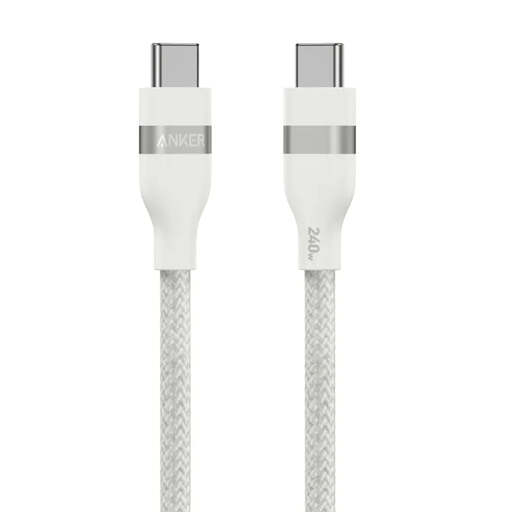
Why It Stands Out: With a massive 240W power capacity, this Anker cable is built for the future. It can handle the most power-hungry laptops and devices on the market, ensuring you get the fastest possible charge. The braided exterior is made from recycled materials and feels surprisingly soft, avoiding the stiffness of some other braided cables.
Pros:
Who is it for? This is an ideal choice for professionals and tech enthusiasts who use high-power devices, such as a 16-inch MacBook Pro or a gaming laptop, and want a cable that will not be a bottleneck for performance.
View Anker 240W Cable on Joybuy
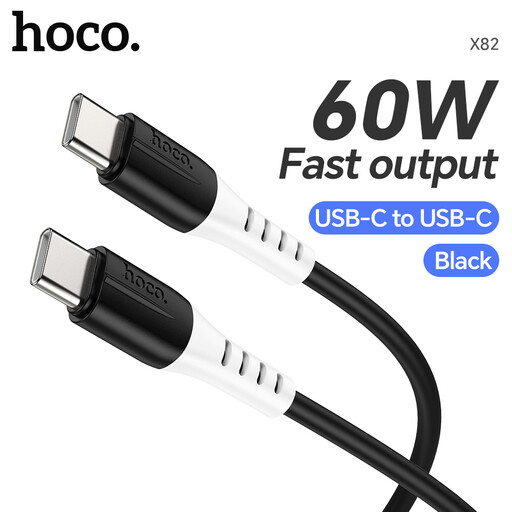
Why It Stands Out: The HOCO X82’s main appeal is its premium food-grade silicone jacket. This material gives it a uniquely soft and smooth feel, and more importantly, makes it incredibly resistant to tangling and kinking. It supports 60W Power Delivery, which is more than enough for fast-charging smartphones, tablets and ultra-portable laptops like the MacBook Air.
Pros:
Who is it for? Anyone looking for a dependable and hassle-free daily charging cable for their phone or tablet. Its anti-tangle design makes it a great travel companion.
View HOCO X82 60W Cable on Joybuy
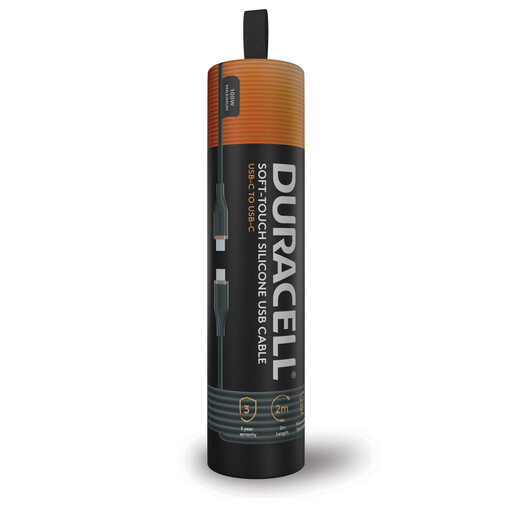
Why It Stands Out: Combining a trusted brand name with excellent features, this Duracell cable is a strong all-rounder. It delivers up to 100W of power, making it a suitable MacBook charging cable, while its generous 2-metre length provides fantastic convenience. The construction includes a double-braided nylon exterior and a Kevlar fibre core for enhanced durability.
Pros:
Who is it for? Users who need a versatile, long-reach cable that can power everything from their phone to their work laptop. It is particularly useful for home office or bedside setups.
View Duracell 100W 2m Cable on Joybuy
The products highlighted here are excellent starting points, but the world of charging accessories is vast. If you have different requirements for length, power or material, you can explore a wider selection.
Discover more choices in our fast charging USB cable category to find the perfect match for your devices.
No, they do not. A cable must be specifically designed to support fast-charging protocols like Power Delivery (PD). A basic, uncertified USB-C cable may only charge at slow speeds and might not be suitable for high-power devices like laptops. Always check the product specifications for its maximum wattage (e.g., 60W, 100W).
The wattage rating indicates the maximum amount of power the cable can safely transmit from the charger to your device. A 60W cable is fine for phones and tablets, a 100W cable is needed for most laptops, and a 240W cable is for the most demanding, high-performance laptops and future devices.
Yes, it is completely safe. Thanks to the Power Delivery protocol, your phone, charger and cable communicate to determine the correct amount of power. The phone will only draw the wattage it is designed to handle (e.g., 25W), even if the cable can deliver much more. Using a higher-wattage cable will not damage your device.