Hybrid workers with a fixed home desk
If you carry a laptop between home and work, the useful upgrade may be a way to reconnect your screen and everyday peripherals at your home desk.


A monitor makes sense when laptop-based document work needs more screen space; add a dock when reconnecting several desk peripherals is the recurring problem. Choose a webcam or separate keyboard and mouse for the calls and desk tasks that need them, and check the laptop’s video output, external-display limits and charging requirements before relying on a USB-C connection.
If you carry a laptop between home and work, the useful upgrade may be a way to reconnect your screen and everyday peripherals at your home desk.
If spreadsheets, files and meeting windows compete for space, decide whether you need a larger fixed display or a second screen you can move between locations. A dock addresses connections rather than adding screen area by itself.
If the laptop camera’s position or framing gets in the way of calls, consider whether a separately mounted webcam would address that specific need.
Decide whether screen space, daily reconnection or calls are the main problem, then check the exact laptop and accessory specifications for that setup.
| Priority | What to check | Your needs |
|---|---|---|
| Screen space | Match the monitor input to the laptop’s documented video output. For two external displays, check the laptop’s supported display count and the intended resolution and refresh rate; VESA notes limits on simultaneous displays and display bandwidth. | I regularly need documents, spreadsheets or meeting material visible alongside other work, rather than relying on the laptop screen alone. |
| Desk connections | Check the dock’s required host connection and count the monitor, USB, network and other ports you will use. Compare its stated power delivery with the laptop’s charging requirement; Anker notes that some USB-C ports handle data or charging but not video. | Moving between home and work means I want to reconnect my desk peripherals without plugging each one into the laptop separately. |
| Video calls | Check the webcam’s field of view, mounting method, connection and compatibility with your computer and meeting app. Decide whether its microphone matters if you already use a headset. | For regular calls, I want framing that shows what colleagues need to see without including more of the room than necessary. |
| Keyboard and mouse | Check Bluetooth or USB-receiver requirements, available laptop ports and operating-system compatibility. Confirm multi-device switching on the exact model if you need it. | When the laptop stays on a stand or I alternate between computers, separate input devices may make the desk setup more practical. |
| Laptop position | Check that a stand leaves the laptop display useful alongside any monitor and that you have a workable way to use the keyboard and pointer. A stand adds neither ports nor display output. | I want to keep the laptop screen in use at my desk, but raising it may mean using a separate keyboard and mouse. |
A matching connector is not enough: Anker says some USB-C ports support only data or charging. A USB-C video dock will not gain the laptop video capability it requires from a simple connector adapter.
Check the laptop’s exact port specifications for DisplayPort Alt Mode, Thunderbolt or USB4, then compare them with the monitor or dock requirements. If considering a DisplayLink dock instead, check its stated software and laptop compatibility.
Available sockets do not establish how many displays the laptop can drive, at what resolution, or whether the dock can supply the power it needs. VESA also identifies GPU display-count and display-bandwidth limits.
List the displays and peripherals you intend to connect. Check that configuration, the host-port requirement and power delivery against both the laptop and the exact dock.
Framing changes what colleagues see. Logitech describes different field-of-view settings on its Brio 4K for face-focused calls and wider views; that model detail is not a measure of every webcam’s call quality.
Choose the view you need, then check mounting, connection and computer compatibility. Consider your existing headset or microphone before relying on a webcam’s built-in audio.
Dell’s S2725DC is an example of a USB-C monitor for a fixed desk where the screen is the main addition.
Anker’s docks are relevant when connecting several desk devices through the laptop is the main concern.
Logitech provides examples of separate webcams and input devices for calls or a desk shared between computers.
These options cover external screens, a desk dock and a webcam for different laptop-based hybrid-work needs. Match the intended connection and display setup to your own laptop before choosing.
 No image available
A fixed-desk screen option for working with documents beyond the laptop display. If you plan to connect and charge through USB-C, confirm video support on the laptop and compare the monitor’s stated power output with its charging requirement.
 No image available
A dock option for reconnecting desk displays and peripherals. Its Dual HDMI and 100W Power Delivery pass-through naming does not establish what your laptop can drive or how it will be powered: check the host connection, intended display configuration and whether a suitable external power adapter is supplied.
 No image available
Another fixed-desk display option for keeping documents visible alongside laptop work. Check the video input you intend to use and, if USB-C charging matters, compare the monitor’s specified power output with the exact laptop’s requirement.
 No image available
A second-screen option to consider when your work setup moves between locations. Check that the laptop supports the monitor’s required video connection and confirm its power arrangement for the way you intend to use it.
 No image available
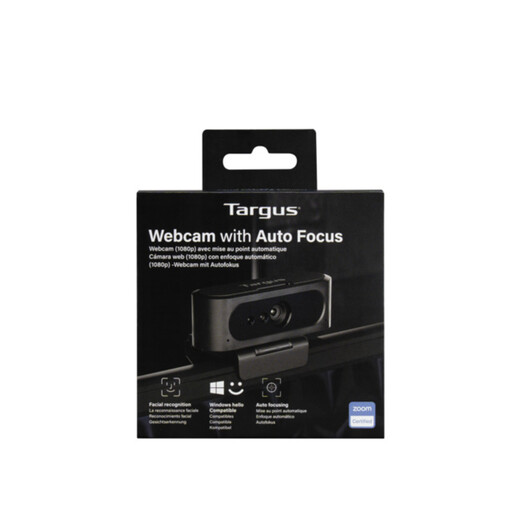
A separate camera option for laptop-based calls. Confirm its resolution before choosing it for that reason, and check the supplied connection and mounting arrangement against your computer and screen.
No. Anker notes that some USB-C ports support data or charging without video. Check the exact laptop’s specifications for a compatible video mode, such as DisplayPort Alt Mode, Thunderbolt or USB4, and match that to the monitor or dock.
Only if the laptop, host connection and dock support the intended configuration. VESA notes limits on GPU display count and display bandwidth; check the laptop’s stated external-display support and the dock’s resolution, refresh-rate and any driver requirements.
Choose a monitor when additional screen space is the main need and its connection matches the laptop. Consider a dock when repeatedly reconnecting several peripherals is the problem; for either route, check video capability and charging requirements rather than assuming one USB-C cable provides both.
Check the precise MacBook model and generation, its stated external-display support and its charging requirement. Apple lists these capabilities for its MacBook Air models; match the details for your own computer to the dock’s macOS display configuration, power output and any required software.