
24/7 Customer Support

Free returns

Same-day & Next-day Delivery

Quality Guaranteed

Unlock Your Welcome Offers: FREE Delivery | Up to 80% OFF | Free 30-day JoyPlus trial
Download the APP
A new charger can look like a simple purchase, but the wrong model may charge slowly, take up too much space or fail to support a laptop at all. Marketing terms such as “fast charging”, “GaN” and “universal compatibility” are useful only when you understand the specifications behind them.
For UK shoppers, three buying traps appear frequently:
The right choice depends on your device requirements, number of devices and typical travel routine.
Wattage indicates the maximum electrical power a charger can provide. A 20W USB-C charger is generally suited to compatible smartphones and smaller accessories. A 30W USB-C charger gives more headroom for larger phones, tablets and some compact devices.
For laptops, look at the manufacturer’s recommended charger rating. A 65W USB-C laptop charger can suit many smaller laptops, including models up to around 14 inches, but it may not replace a higher-rated adapter for performance laptops. A 100W USB-C charger is more suitable when you need additional capacity for larger laptops or several demanding devices, provided the device and cable support it.
Power Delivery, usually written as USB-C PD, allows the charger and device to negotiate an appropriate power level. It does not force the full wattage into every device.
A single-port charger can usually direct its available output to one connected device. A multi-port USB charger is more practical for a phone, earbuds and tablet, but check how the total output is divided.
For example, a charger advertised as 67W may provide its highest output when one device is connected, while two or three devices receive a lower combined amount. Read the port-by-port output table rather than relying only on the headline figure.
USB-A remains useful for older cables and accessories, while USB-C is generally the more flexible option for newer phones, tablets and laptops.
A GaN charger uses gallium nitride components to help deliver high output in a compact enclosure. Smaller dimensions are useful for commuters and business travellers, although ventilation is still important during high-power charging.
For use in Britain, confirm that the product includes a UK plug charger or a UK power cord. Some travel chargers include interchangeable EU and UK cords, while others are supplied with only an EU plug. Also check for protections such as overcurrent, overvoltage, short-circuit and overheating protection.
Use a suitable, certified USB-C cable. A charger cannot deliver its rated output if the cable is not designed for the required power level.
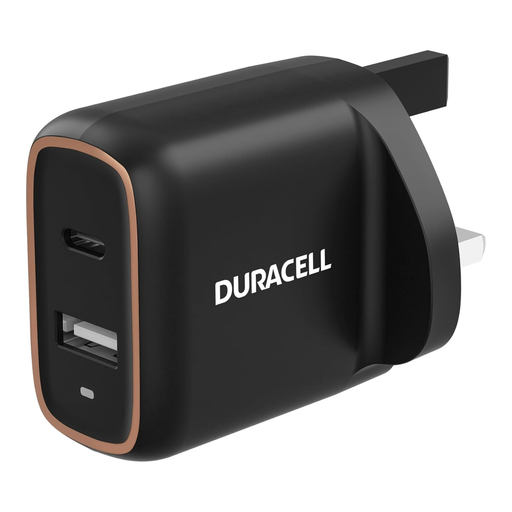
Why This Fits Their Persona: A straightforward option for a UK home, office desk or first fast phone charger, with support for two connected devices.
The UK plug is specified, and the USB-C port has a stated 20W PD output rather than relying on vague fast-charging wording.
One USB-C and one USB-A port; supports simultaneous charging with a compact wall-mounted design.
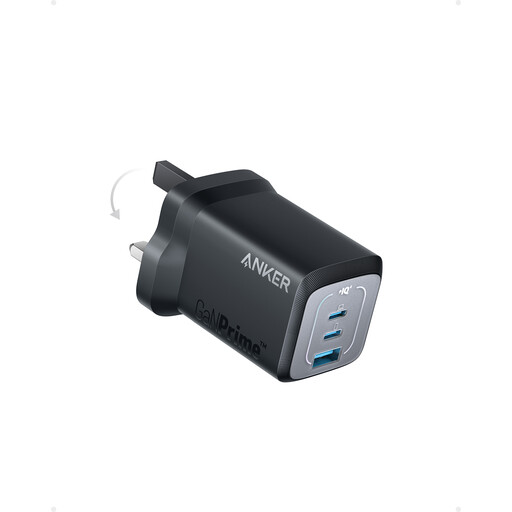
Why This Fits Their Persona: Suitable for users who want one compact charger for a phone, tablet and notebook at home or while travelling.
The product specifies two USB-C ports, one USB-A port and separate single- and multi-device output figures.
Up to 67W with one device; three ports and GaN construction for a smaller travel setup.
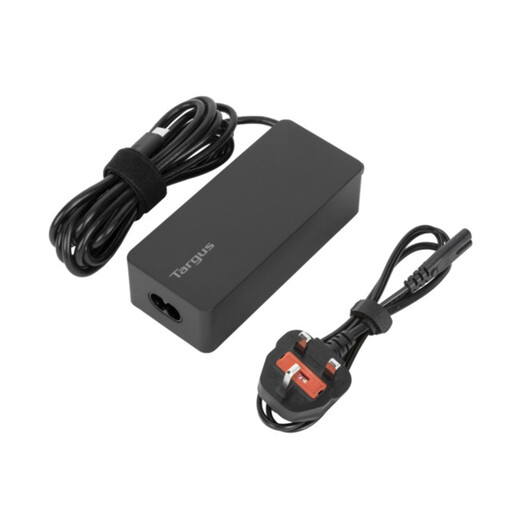
Why This Fits Their Persona: A practical choice for work trips where a laptop, tablet and phone need a higher-power adapter with UK and EU power cords.
Its stated 65W PD output is clearer for laptop buyers, while overcurrent, overheating and overvoltage protection are listed.
65W USB-C PD; EU and UK power cords; 1.8-metre cable and cable tie for organised packing.
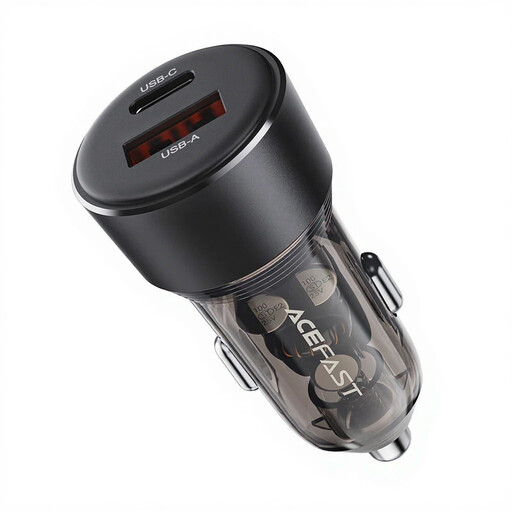
Why This Fits Their Persona: Designed for commuters who need a USB-C car charger for two phones, a tablet or other devices during journeys.
The charger states 30W per port and a 60W total, avoiding uncertainty about simultaneous charging capacity.
USB-C and USB-A ports; supports 12–24V vehicle sockets and lists PD, PPS, QC and other charging protocols.
We have compiled a complete, real-time list of products that fully satisfy these strict selection criteria and UK safety regulations.
Unplug a charger when it is not needed, particularly if it is damaged, unusually hot or exposed to moisture. Keep it uncovered during use and place it somewhere with reasonable ventilation. Use compatible cables and follow the manufacturer’s instructions.
Yes, if the phone supports USB-C charging and the charger supports a compatible protocol such as PD. The phone negotiates the power it requires, so a 65W adapter does not automatically deliver 65W to a phone. Charging speed also depends on the cable and the phone’s own charging limits.
Electricity use depends on the power drawn by the connected devices, not simply the charger’s maximum rating. A multi-port model can reduce the number of separate adapters in use, but it may draw more power when several devices are charging simultaneously. Once devices are full, unplugging the charger avoids unnecessary standby consumption.