
24/7 Customer Support

Free returns

Same-day & Next-day Delivery

Quality Guaranteed

Unlock Your Welcome Offers: FREE Delivery | Up to 80% OFF | Free 30-day JoyPlus trial
Download the APP
As our collection of gadgets grows, from laptops and tablets to the latest smartphones, the humble charging cable has become a critical piece of our daily kit. Yet, finding a reliable USB C fast charging cable can feel like navigating a minefield of confusing claims and disappointing products. Many of us have experienced the frustration of a cable that promises speed but delivers a trickle, or one that simply stops working after a few months.
Before you make another purchase, it's worth understanding the common pitfalls. Many cables fail not because of a single major flaw, but due to a combination of overlooked details that manufacturers hope you won't notice.
By understanding what to look for, you can avoid these issues and select a cable that performs as expected and is built to last.
To make an informed choice, you need to look past the marketing and focus on a few key specifications. These parameters determine a cable's performance, durability and suitability for your specific devices.
The single most important factor for charging speed is the cable's maximum supported wattage. This is typically determined by the Power Delivery (PD) protocol it supports.
Always match the cable's wattage to your most demanding device and ensure your wall charger supports the same output.
A cable is only as good as its construction. A durable type C cable will save you money and frustration in the long run. Look for features like:
While a standard 1-metre cable is fine for desktop use, a long USB C cable 2m can offer much-needed flexibility for charging on the sofa, in bed or when the plug socket is just out of reach. Consider where you'll be using the cable most often before deciding on a length.
To help you choose, we've matched some standout options to different user needs. These selections are based on their specifications and how well they address the common purchasing pitfalls.
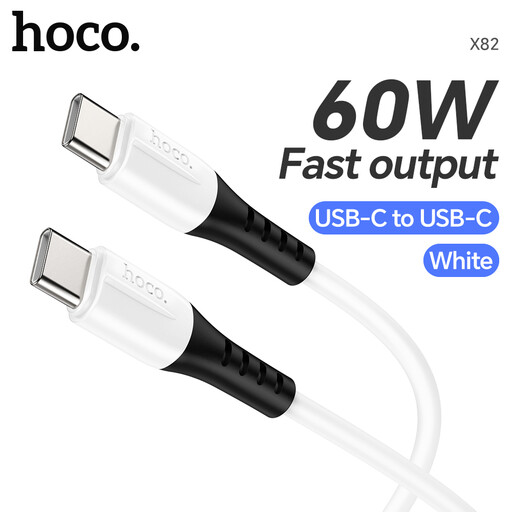
Why This Fits Their Persona: This is an ideal choice for anyone looking to replace the basic cable that came with their smartphone or tablet. It offers a noticeable upgrade in charging speed and durability for everyday devices without a premium price tag.
It clearly states its 60W power delivery, avoiding the vague "fast charging" label. The soft silicone construction and reinforced joints directly address the weak neck flaw common in cheaper cables.
The flexible, tangle-resistant silicone jacket makes it easy to handle and store. It provides ample power for fast-charging phones, tablets and smaller laptops.
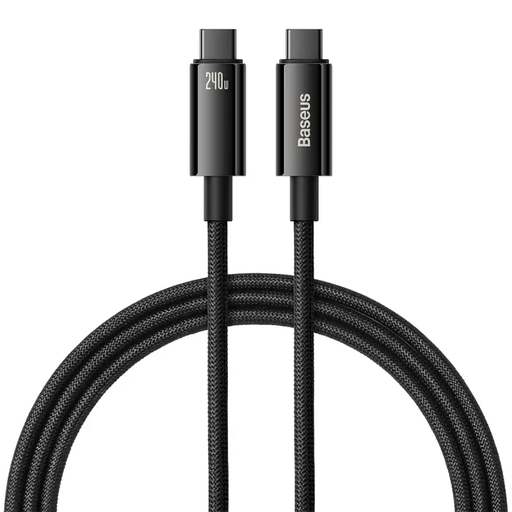
Why This Fits Their Persona: For professionals and tech enthusiasts with high-performance laptops and multiple gadgets, this cable delivers maximum power. It's built for those who cannot afford to be slowed down by an underperforming charging setup.
This is a certified 240W PD 3.1 cable, eliminating the power mismatch trap for even the most demanding laptops. Its zinc alloy connectors and dense nylon braid provide exceptional physical durability.
It offers future-proof charging performance for next-generation devices and a premium, robust build quality that can withstand heavy daily use.
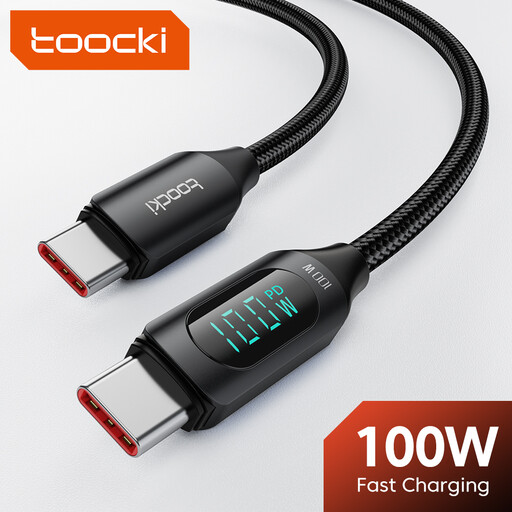
Why This Fits Their Persona: Perfect for the user who loves data and wants to see exactly how their tech is performing. This cable provides visual confirmation of charging speed, adding a layer of insight and control to the charging process.
The integrated USB C cable with power display instantly demystifies charging. You can see the real-time wattage, confirming whether you're getting the 100W speed you paid for and diagnosing any power mismatch issues.
The smart LED digital display provides immediate feedback on charging performance. It's also a capable 100W USB C lead with a durable nylon braided exterior.
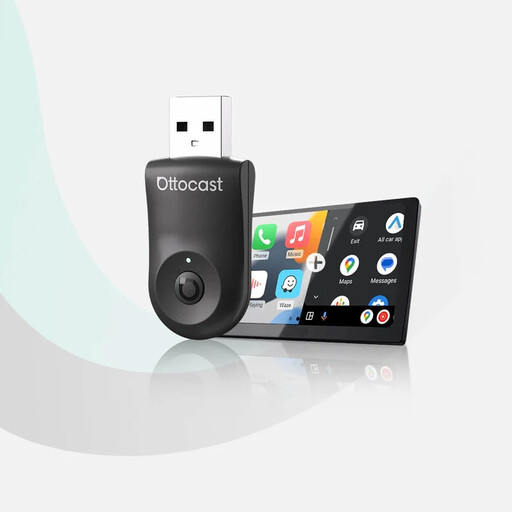
Why This Fits Their Persona: For the driver who wants a clean, modern and cable-free dashboard. This adapter plugs into your car's USB-A or USB-C port and eliminates the need to constantly plug and unplug your phone for CarPlay or Android Auto.
It solves the cable problem by removing the cable. This wireless CarPlay adapter for iPhone and Android prevents the daily wear and tear that causes in-car charging cables to fail so frequently.
It offers a seamless, plug-and-play wireless connection for both Apple CarPlay and Android Auto, automatically connecting when you start the car. It's a simple upgrade for a more convenient driving experience.
We have compiled a complete, real-time list of products that fully satisfy these strict selection criteria and UK safety regulations.
Do I need a 240W USB-C cable for my phone? No, it's not necessary. Most smartphones, including the latest iPhone and Android models, will fast-charge effectively with a cable rated for 30W to 60W. A 240W cable will work, but it won't charge your phone any faster than a lower-wattage cable, as the phone itself determines the maximum power it can draw. A 240W cable is primarily for high-power devices like gaming laptops.
Why is my fast charging cable charging slowly? There are three likely reasons. First, check your power adapter. The adapter must support the same or higher wattage as your cable and device. Second, the device itself may not support high-speed charging. Finally, some USB-C ports on laptops or hubs are for data only or provide very low power. Always use a port marked with a "PD" or lightning bolt symbol for charging.
How long should a durable braided charging cable last? While there's no fixed lifespan, a high-quality braided cable with reinforced connectors should comfortably last for several years of regular daily use. Cheaper, non-braided cables often fail within 6-12 months, especially if used for travel. Investing in a well-made cable is more cost-effective in the long run.