Laptop map designers with one usable socket
If you draw quest maps on a laptop, a compatible USB-C monitor could carry the picture and charge the laptop through one connection, leaving less need for a separate charger at the desk.


For a laptop-based quest-map desk with few sockets, a 27-inch 4K monitor with USB-C video and Power Delivery is a useful starting point if the laptop supports both functions and can operate from the monitor’s available charging output. A 90W hub model may also consolidate desk connections; a colour-focused 65W model is another option if that output meets the laptop’s needs. Check the laptop port, charging requirement and cable before counting on a one-cable setup.
If you draw quest maps on a laptop, a compatible USB-C monitor could carry the picture and charge the laptop through one connection, leaving less need for a separate charger at the desk.
Dense labels, grids, icons and reference panels make resolution and comfortable display scaling worth checking. If your exports use sRGB or Rec.709, compare the exact monitor models’ stated colour specifications too.
If you move between map design, reference material and another computer, a monitor’s USB ports, Ethernet or KVM switch may be useful—provided its connections match the devices you use.
Decide whether replacing the laptop’s separate desk charger is essential, then check the display and connection features your map workflow needs. The charging route depends on your laptop, not just the shape of its USB-C port.
Consider when: Your laptop supports USB-C display output and charging, and you want to bring desk connections together. Dell specifies video, data, Ethernet and up to 90W Power Delivery for the P2725QE.
Bear in mind: A stated 90W maximum does not establish that a particular laptop will charge adequately during your work.
Consider when: Defined colour-space coverage matters to your map exports and your laptop can use 65W USB-C charging. BenQ specifies 99% sRGB and 99% Rec.709 coverage for the PD2705U.
Bear in mind: The PD2705U’s stated 65W output is lower than the 90W examples, so compare it with your laptop’s power requirement.
Consider when: Your computer cannot provide the USB-C video or charging functions needed for a one-cable connection.
Bear in mind: A laptop charger will generally still need its own socket, so plan the desk’s electrical connections accordingly.
| Concern | What to check | Who this matters to |
|---|---|---|
| Fewer plugs and cables | Confirm USB-C display output and charging on the laptop; compare its power requirement with the monitor’s stated output. | With one usable socket, I want the monitor connection to handle the picture and laptop charging rather than keep a separate charger plugged in. Around 40% of consumers put this socket-saving need first. |
| Map detail and colour | Check 4K resolution, usable interface scaling and colour-space specifications for the exact model. | Fine labels and colour-coded terrain need to remain workable while I edit and export a map. For around 30% of consumers, detail and controlled colour take priority. |
| Desk flexibility | List the ports and devices you need; check Ethernet, KVM and stand adjustment where relevant. | If I share the desk between devices, reconnecting peripherals and positioning the screen matter most. Those flexibility needs come first for around 20% of consumers. |
| Existing video connections | Match the computer’s video output to the monitor input and plan for separate laptop charging if needed. | My computer needs a straightforward display connection even if it cannot use USB-C charging from a monitor. Around 10% of consumers prioritise that basic compatibility. |
A USB-C-shaped port alone does not establish a one-cable setup. VESA describes how DisplayPort over USB-C can carry video alongside data and power, but the laptop must implement the functions you need.
Check the laptop manufacturer’s display-output and charging specifications, then compare its power requirement with the monitor’s Power Delivery output.
BenQ specifies 99% sRGB and 99% Rec.709 for the PD2705U, while LG specifies 95% DCI-P3 typical coverage for the 27UP850K-W. The percentages describe different colour spaces and are not interchangeable.
Match the exact model’s stated colour space to your map-export workflow, and use colour-managed software when consistency matters.
Extra adaptors do not remove the need to account for everything connected at the desk. London Fire Brigade warns against overloading extensions and advises a fused inline lead rather than a plug-in cube type.
If you need an extension, check its condition and rating, keep the connected load within that rating and avoid daisy-chaining leads.
A detailed map canvas still needs to fit the desk and be positioned comfortably. For qualifying UK workers using display screen equipment, the Health and Safety Executive’s workstation-assessment guidance covers the wider setup, not just the monitor.
Check the stand’s adjustment range against your chair and desk, and consider the position of your input devices as well as the screen.
The Dell Pro 27 Plus P2725QE is a reference point for a 27-inch 4K USB-C hub setup.
The PD2705U is relevant if defined sRGB and Rec.709 specifications matter to your map workflow.
The 27UP850K-W is a 27-inch 4K option to consider for a creative desk needing USB-C charging and an adjustable stand.
The ViewFinity S8 S80UD is relevant to a multi-device 27-inch 4K USB-C desk setup.
These 4K monitors offer different starting points for detailed map work. Some list USB-C charging, while others call for a closer check of how the computer and laptop charger will connect; choose by your desk’s actual ports and power needs.
 No image available
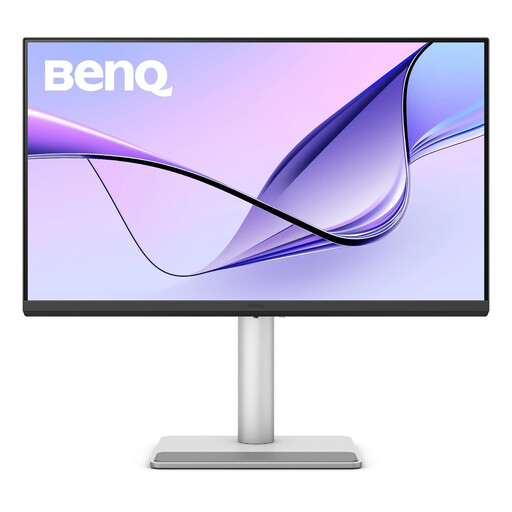
Consider this Mac-oriented model if you want a 27-inch 4K screen for map detail. Its name specifies an IPS panel, USB-C, HDR P3 and a height-adjustable stand; confirm your laptop’s USB-C video and charging compatibility, available power and the cable needed before planning a one-cable desk.
 No image available
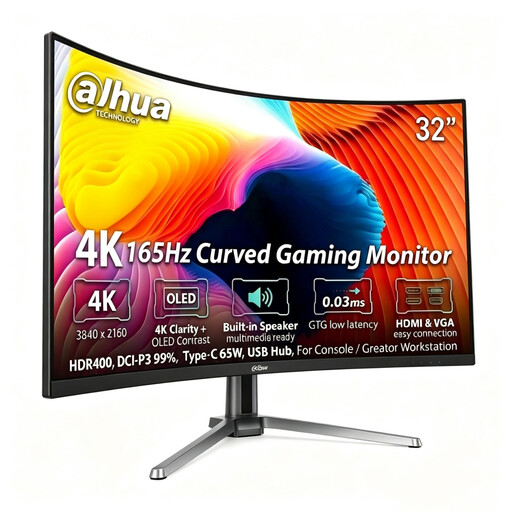
Consider the larger curved screen only if it fits your desk and map-editing preferences. The name specifies 3840 × 2160 resolution, 99% DCI-P3, a USB hub and 65W Type-C; check laptop video, charging and cable compatibility before expecting to free a socket.
 No image available
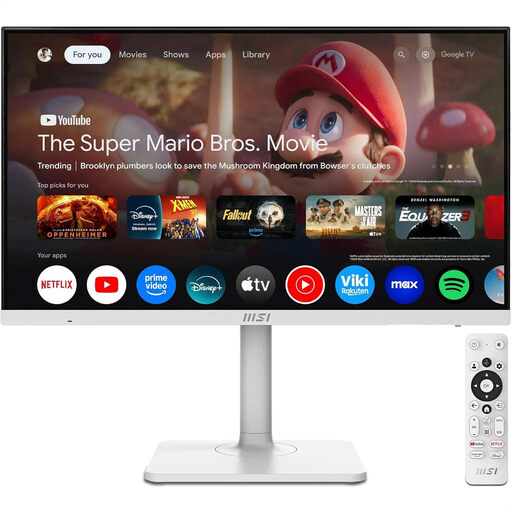
The 27-inch 4K IPS format suits a desk where you want space for map detail without moving to a larger screen. Its name specifies USB-C 65W; confirm that your laptop supports video over USB-C and can use that charging output. If colour matching matters, check the model’s colour-space specifications.
 No image available
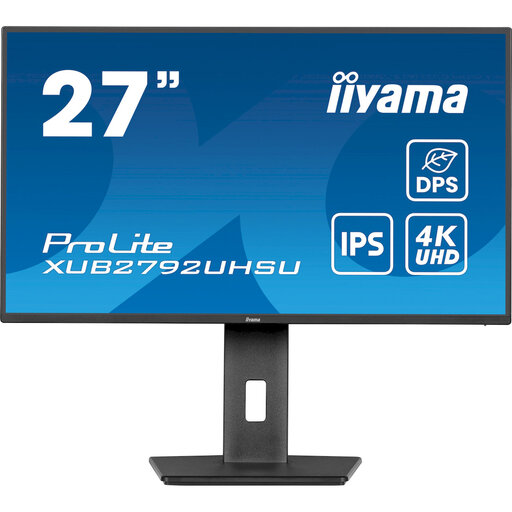
Consider this 27-inch 4K model for a map canvas that fits a conventional desk setup. If reducing socket use is essential, confirm the exact connection and laptop-charging capabilities before choosing it for that purpose.
 No image available
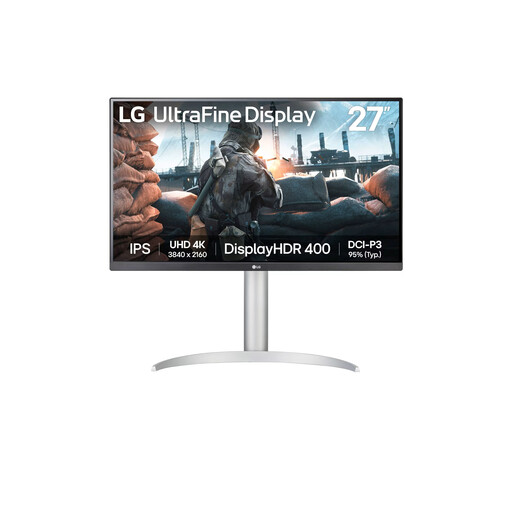
This model is worth considering when 27-inch 4K detail and a stated colour-space specification matter more than an assumed one-cable connection. Its name specifies 95% DCI-P3 coverage and HDMI and DisplayPort inputs; match an input to your computer and check charging arrangements separately.
No. The laptop needs display output over USB-C and compatible USB-C charging if the monitor is to replace its separate charger. VESA explains that DisplayPort over USB-C can carry video, data and power through one connector, but the laptop’s port must support the functions you intend to use.
It can if the laptop accepts USB-C charging and can operate from the monitor’s available output. Dell’s P2725QE, LG’s 27UP850K-W and Samsung’s ViewFinity S8 S80UD each specify up to 90W; compare your laptop’s power requirement and check the cable needed for the intended connection.
For UK workers who use display screen equipment daily as part of normal work for continuous periods of an hour or more, Health and Safety Executive guidance says employers must carry out a workstation assessment. An adjustable monitor may help with positioning, but the assessment concerns the full workstation.
Yes, provided the lead is in suitable condition and the connected load stays within its rating. London Fire Brigade advises a fused inline extension type rather than a plug-in cube type; do not overload or daisy-chain extensions.