
24/7 Customer Support

Free returns

Same-day & Next-day Delivery

Quality Guaranteed

Unlock Your Welcome Offers: FREE Delivery | Up to 80% OFF | Free 30-day JoyPlus trial
Download the APP
A frayed, malfunctioning or lost iPhone charger cable is a modern-day nuisance we could all do without. When you need a replacement, the market is flooded with options, all making bold claims. But choosing the wrong USB-C to Lightning cable can lead to slow charging, error messages or even a cable that stops working after a few months.
As the Joybuy Product Recommendation Officer, my role is to help you navigate this confusing landscape. We've seen where UK shoppers often go wrong and have identified a few common pitfalls that lead to wasted money and frustration. Before you buy, be aware of these traps.
To avoid these issues, focus on a few core parameters that determine a cable's performance and lifespan. These are the non-negotiable details to check before you add any cable to your basket.
MFi is Apple's official licensing programme for third-party hardware. When a product is MFi certified, it means it contains a tiny authentication chip that tells your Apple device it's safe and approved. This is your primary safeguard against compatibility errors, ensuring your Apple charger cable will continue to work after iOS updates. It also confirms the cable meets Apple's standards for safety and construction, protecting your device from potential damage.
If you want to charge your iPhone from 0% to 50% in around 30 minutes, you need a setup that supports Power Delivery. For this, both your cable and your wall charger must be compatible. Look for a PD 20W charging cable as a minimum for modern iPhones. This ensures the cable can handle the higher wattage required for fast charging. Using a PD-rated cable with an old 5W power adapter will not result in faster speeds; the power adapter is just as important as the iPhone fast charger cable itself.
A truly durable cable has more than just a nylon jacket. Pay close attention to the connector housing and strain relief—the flexible rubber or plastic section where the cable meets the plug. Materials like zinc alloy for the connector housing offer more robustness than standard plastic.
Consider length as well. A standard 1-metre cable is fine for desktops, but a 2m lightning cable can be far more convenient for charging on the sofa or in bed when the plug socket is further away. Finally, ensure the product is also a data sync cable for iPhone, allowing you to transfer photos and files, not just charge.
To make your choice easier, we've matched some products to common user needs. These selections are based on their specifications and how well they address the buying pitfalls discussed earlier.
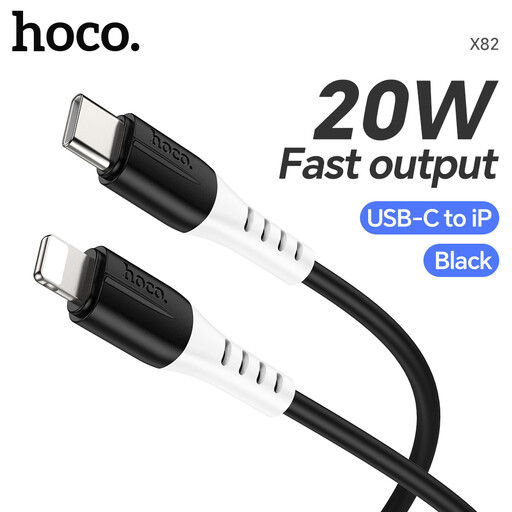
Why This Fits Their Persona: This is for the user who has lost or broken their original cable and needs a functional, no-frills replacement that gets the job done. It provides the essential fast-charging feature without a premium price tag.
It clearly states support for 20W PD charging, directly addressing the "Fast Charge" fallacy by confirming its capability. This ensures you get the speed you expect when paired with the right adapter.
Delivers the essential fast-charging capability for modern iPhones at an accessible price point. The standard 1-metre length is practical for everyday desk or bedside use.
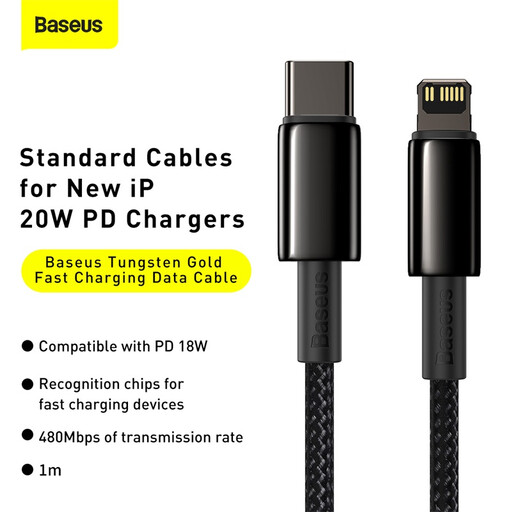
Why This Fits Their Persona: Ideal for someone who is constantly on the move, stuffing their cable into a backpack or using it in the car. They are tired of flimsy cables that fray and need a braided iPhone cable built to last.
This cable directly counters the "Durability Deception" by focusing on what matters: reinforced, rust-proof connectors and a premium braided nylon construction designed to resist kinking and breaking at the joints.
Its construction prioritises longevity, with a durable braided sheath and robust connector housing. It also supports 20W PD fast charging and data transfer up to 480Mbps.
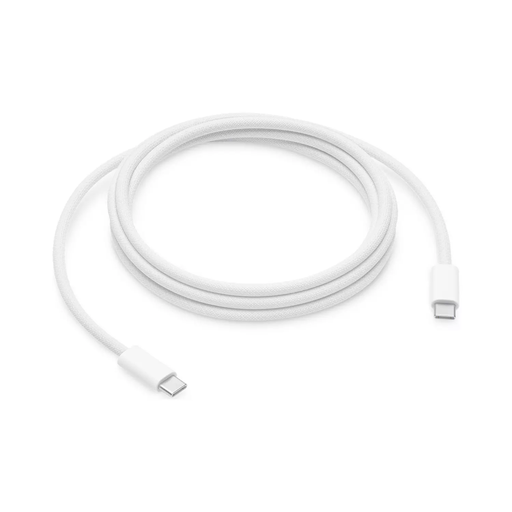
Why This Fits Their Persona: This user values peace of mind and guaranteed performance above all. They want the official product to ensure seamless compatibility and are willing to invest in the convenience of extra length for use around the home or office.
As an official Apple product, it is the definition of MFi certified. This completely eliminates the "Certification Gamble," guaranteeing it will work perfectly with all compatible devices, now and after future updates.
Offers guaranteed compatibility and optimised performance. The generous 2m lightning cable length provides exceptional flexibility for charging from distant outlets.
We have compiled a complete, real-time list of products that fully satisfy these strict selection criteria and UK safety regulations.
The most common reason is your power adapter. To enable fast charging, your power adapter must also support the Power Delivery (PD) standard, with an output of 20W or more. A fast-charge cable connected to an old 5W USB-A adapter (using a dongle) will only charge at the slower 5W speed. Always check that both your cable and your power brick are rated for PD fast charging.
Yes, provided the cable is MFi certified. This certification ensures the cable has been verified by Apple to meet its safety and performance standards. Using uncertified cables can pose a risk of overheating, damage to your device's charging port and may stop working after a software update.
This depends heavily on usage. A cable that stays plugged in at a desk will last much longer than one that is coiled and uncoiled daily for travel. To maximise lifespan, look for cables with features designed for durability, such as a strong braided iPhone cable sheath and, more importantly, reinforced strain relief at the connector ends. Avoid pulling the cable out by the cord; always grip the plug itself.