
24/7 Customer Support

Free returns

Same-day & Next-day Delivery

Quality Guaranteed

Unlock Your Welcome Offers: FREE Delivery | Up to 80% OFF | Free 30-day JoyPlus trial
Download the APP
A frayed, malfunctioning charging cable is more than just an inconvenience; it's a common frustration for Apple device owners across the UK. You buy a new USB-C to Lightning cable, and within a few months, it either stops working, charges at a snail's pace or the dreaded "This accessory may not be supported" message appears.
As the Joybuy Product Recommendation Officer, my role is to help you navigate the market and identify the key features that separate a reliable cable from one destined for the bin. Before you make your next purchase, be aware of these common pitfalls that lead to wasted money and disappointment.
To avoid these issues, focus on three core parameters. These are the non-negotiable specifications that determine a cable's performance, safety and lifespan.
MFi (Made for iPhone/iPad/iPod) is a licensing programme from Apple. When you see an MFi certified cable, it means the manufacturer has used Apple-approved components and the product has passed specific compliance and safety checks.
For your iPhone or iPad to charge rapidly, you need a system that supports Power Delivery. This requires two components: a USB-C power adapter that can output sufficient wattage and a cable built to handle it.
The physical construction of the cable is a direct indicator of its longevity. While a standard plastic (PVC) cable is functional, it's often the first to fail under daily stress.
Based on these practical criteria, we've matched several products to different user needs. These recommendations are chosen to directly address the common pitfalls and deliver reliable performance.
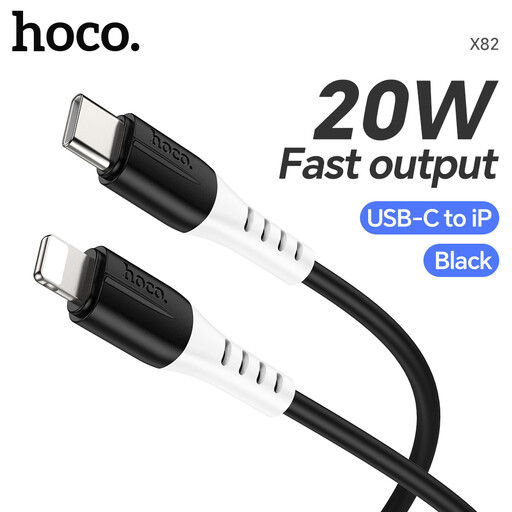
Why This Fits Their Persona: This is a practical, no-nonsense choice for anyone needing a reliable replacement for daily charging at home or the office. It does the job without unnecessary frills.
It clearly states its PD 20W capability, avoiding the "fast-charging" falsehood. You know exactly what performance to expect when paired with a compatible charger.
Supports the essential 20W Power Delivery standard for fast charging modern iPhones at an accessible price point.
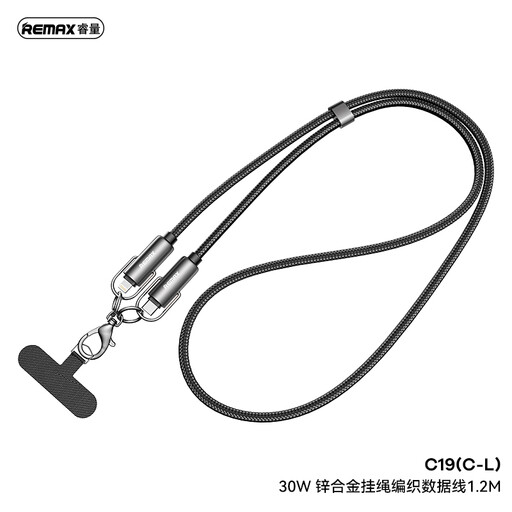
Why This Fits Their Persona: Ideal for commuters, frequent travellers or anyone who is tough on their gear. This cable is built to withstand the rigours of daily use and being thrown in a bag.
Its braided nylon exterior and robust zinc alloy connectors directly counter the common pitfall of fraying and physical breakage at the connector joint.
Superior durability from premium materials. It also supports up to 30W charging, offering a performance boost for compatible devices.
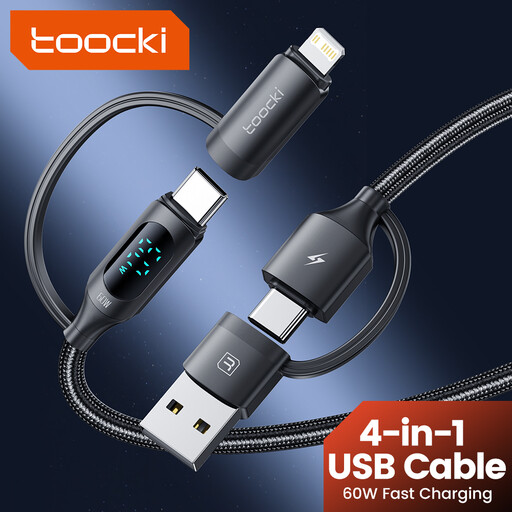
Why This Fits Their Persona: Perfect for the tech-savvy individual who carries an iPhone, a work phone (perhaps Android) and a laptop. This single cable declutters their bag and desk.
This multi charging cable eliminates the need to buy and carry separate cables for different devices, saving money and reducing the risk of losing a crucial charger.
Incredible versatility. It combines USB-A and USB-C inputs with Lightning and USB-C outputs, covering almost any charging scenario with a single, braided cable.
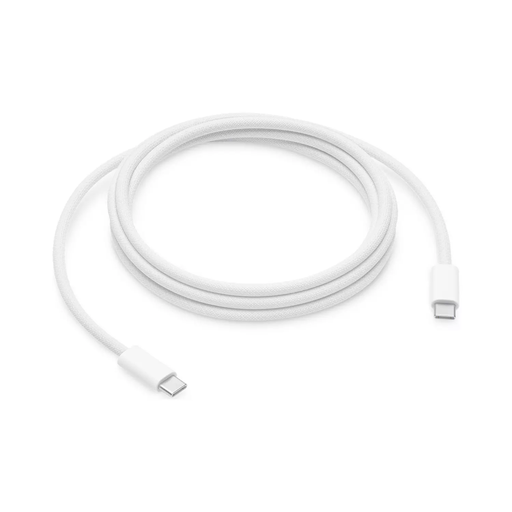
Why This Fits Their Persona: For the user who prioritises guaranteed compatibility and peace of mind above all else. The generous length is perfect for use on the sofa or in bed while charging.
As an official Apple product, it completely eliminates the "certification gamble." You will never face compatibility warnings or performance throttling due to a software update.
Flawless integration with the Apple ecosystem and a useful 2-metre length for maximum flexibility. It is the benchmark for reliability.
We have compiled a complete, real-time list of products that fully satisfy these strict selection criteria and UK safety regulations.
While non-certified cables may function, we highly recommend choosing an MFi certified option. This certification is your assurance that the cable meets Apple's safety and performance standards. It protects your device from potential over-voltage or short-circuiting and ensures it will remain compatible after future iOS updates.
No. To enable fast charging, the cable must be specifically designed to support the Power Delivery (PD) protocol. For recent iPhone models, this typically means looking for a cable rated for PD 20W or higher. You must also use it with a USB-C power adapter that can deliver that same wattage. Using a standard cable or a low-wattage charger will result in slower, standard charging speeds.
With regular daily use, a well-made cable should last for at least one to two years, and often longer. The lifespan is heavily influenced by its construction. A braided lightning cable with reinforced connector joints will almost always outlast a basic plastic cable. To maximise its life, avoid sharp bends near the ends and unplug it by gripping the connector, not by pulling on the cord.