
24/7 Customer Support

Free returns

Same-day & Next-day Delivery

Quality Guaranteed

Unlock Your Welcome Offers: FREE Delivery | Up to 80% OFF | Free 30-day JoyPlus trial
Download the APP
It’s a familiar situation: your device is low on power, you grab a cable, and it either charges at a snail’s pace or, worse, doesn’t work at all. With nearly every new smartphone, tablet and laptop adopting the USB-C standard, the market is flooded with options. But not all cables are created equal. A mismatched cable can mean slow charging, sluggish data transfers and a frayed cord in just a few months.
This guide is designed to cut through the clutter. We’ll explain the key features to look for when choosing a USB C to USB C cable and highlight a few standout options available today. Our goal is to help you find a reliable cable that meets the demands of your devices, from your iPhone or MacBook to your high-powered Windows laptop.
Before you add a cable to your basket, understanding a few technical details can ensure you get the right one for your needs.
The most important factor for a fast charging USB C cable is its power delivery, measured in watts (W). A standard cable might only support 15W, which is fine for some smaller devices but slow for modern smartphones and insufficient for laptops.
Your cable, charger and device must all support the same wattage to achieve the fastest charging speeds.
If you only use your cable for charging, this may be less of a concern. However, if you transfer files, a high-speed USB C data transfer cable can save you a lot of time.
A cable is only as good as its construction. A durable USB C cable will withstand the daily plugging, unplugging and coiling. Look for features like a braided USB C cable exterior, which resists tangling and fraying better than standard plastic coatings. Reinforced connectors also prevent bending and breaking at the cable’s weakest point. For length, a 1m USB C cable is a versatile choice for desktops, cars and travel.
Based on features, build quality and user needs, here are our recommendations for reliable USB-C cables.
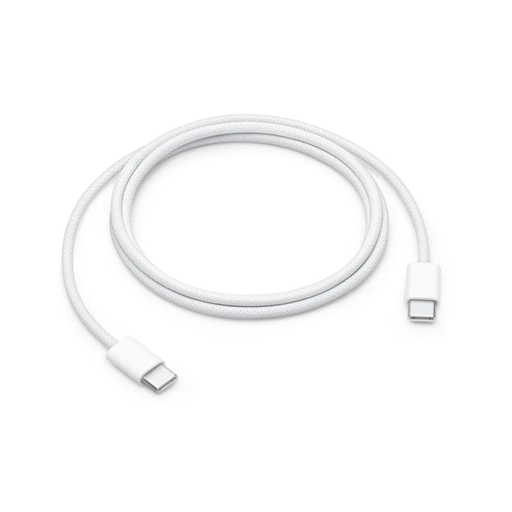
Why It Stands Out: For those within the Apple ecosystem, this official cable offers seamless compatibility and reliability. The woven design is a significant improvement in durability over Apple's previous plastic cables, offering better resistance to tangles and daily wear.
Pros:
Who is it for? This is an excellent choice for Apple users looking for an official USB C cable for their MacBook or a reliable USB C cable for their iPhone for everyday charging and syncing.
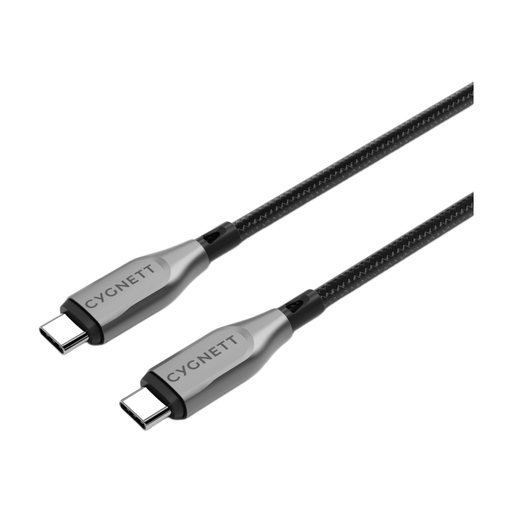
Why It Stands Out: The Cygnett Armoured cable is engineered for strength and speed. It combines a high power rating with exceptionally fast data transfer, all wrapped in a build that’s designed to last. The use of DuPont Kevlar aramid fibre in its core makes it remarkably robust.
Pros:
Who is it for? Power users, creative professionals and anyone who needs a single, tough cable for both high-wattage charging and rapid data transfers for devices like a MacBook Pro or a high-spec Windows laptop.
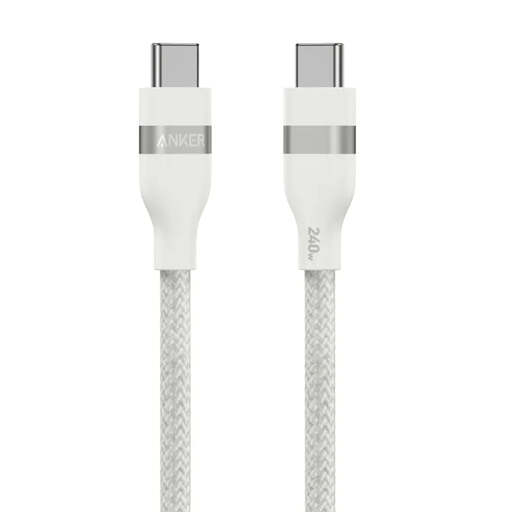
Why It Stands Out: This Anker cable is at the cutting edge of USB-C technology. With its 240W power delivery capability, it’s ready for the most demanding current and future devices. It combines this forward-thinking tech with a soft-touch braided finish and a strong focus on durability.
Pros:
Who is it for? Tech enthusiasts and professionals who want to invest in the latest charging standard. This cable can handle everything from a smartphone to the most powerful USB-C laptops, ensuring you're prepared for years to come.
If these recommendations aren't quite what you're looking for, or if you need a different length, colour or specification, there are many other choices available.
Explore our full collection of USB-C to C cables to find the perfect match for your devices and budget.
No, they are not. Cables vary significantly in their supported charging speed (wattage), data transfer speed (Gbps) and build quality. Using a basic cable with a high-powered device will result in slow performance. It is important to match the cable's specifications to your device and charger.
Yes, absolutely. USB-C Power Delivery is an intelligent system. A high-wattage cable and charger will communicate with your phone to deliver only the amount of power it can safely handle. Using a 100W USB C cable with a compatible phone is perfectly safe and will charge it at its maximum possible speed.
It depends on how you use it. For everyday charging and syncing small files like music or photos, a standard cable with USB 2.0 speeds is sufficient. However, if you frequently move large files, such as 4K videos or system backups, a high-speed USB C data transfer cable (5Gbps or higher) will make the process much faster.