
24/7 Customer Support

Free returns

Same-day & Next-day Delivery

Quality Guaranteed

Unlock Your Welcome Offers: FREE Delivery | Up to 80% OFF | Free 30-day JoyPlus trial
Download the APP
USB-C wired headphones are a practical option for UK commuters, students, office workers and mobile users who want reliable audio without Bluetooth pairing or battery charging. They can connect directly to compatible smartphones, tablets, laptops and computers, but not every USB-C port or headset offers the same experience.
Before buying, it is worth looking beyond phrases such as “high quality”, “noise cancelling” or “universal compatibility”. The right choice depends on your device, wearing preference and whether you mainly listen to music, take calls or work in a noisy environment.
A USB-C connector describes the shape of the port, not necessarily its functions. Some devices support USB audio output, while others use USB-C mainly for charging or data transfer. Check your phone, tablet or computer’s specifications for USB audio support before purchasing.
This is particularly important with USB-C earbuds and wired USB-C earphones. A product may plug in physically but fail to produce sound if the device does not support digital audio through that port.
A noise-cancelling microphone helps reduce background sound picked up by the microphone during calls. It does not necessarily reduce the noise you hear through the speakers.
Active Noise Cancellation (ANC) works on the listening side by processing external sound. A headset may have one, both or neither. For video meetings, microphone noise reduction can be more relevant than ANC. For commuting or open-plan offices, a noise-cancelling USB-C headset with listening-side ANC may be more suitable, although transparency and awareness of surroundings also matter.
A long specification list does not guarantee a comfortable fit. In-ear models need suitable ear tips and a stable shape, while on-ear or over-ear designs require an adjustable headband and cushioning.
Fixed cables also need sensible handling. Repeatedly pulling the cable, bending it sharply near the USB-C plug or leaving it under a chair can lead to premature damage. Look for reinforced construction where available and disconnect by holding the plug rather than the cable.
Look for explicit compatibility with your intended devices, such as Android phones, USB-C smartphones, Windows laptops, macOS computers or ChromeOS systems. Some USB-C headphones are plug-and-play USB-C headphones, but call controls, volume buttons and microphones may depend on the operating system or app.
If you use older office equipment, an included USB-C to USB-A adapter can be valuable. It allows a USB-C headset to connect to many desktop computers, docking stations and older laptops without purchasing a separate adapter.
For USB-C headphones for calls, check whether the microphone is:
An in-line microphone can suit occasional calls, voice commands and lessons. A boom microphone is usually easier to position consistently for meetings, customer service work and remote office use.
USB-C in-ear headphones are compact and convenient for commuting, travel and carrying in a bag. Multiple ear-tip sizes can help create a more secure fit. On-ear and over-ear USB-C headsets may be more comfortable for extended desk use, particularly when paired with a padded headband and soft ear cushions.
Do not treat “noise isolation” and ANC as interchangeable. Ear-tip fit provides passive isolation, while ANC requires electronic processing and may affect battery-free or wired designs differently. Also check whether the product is designed for music, calls or both. A headset optimised for speech may not suit listeners seeking a more engaging sound for films and playlists.
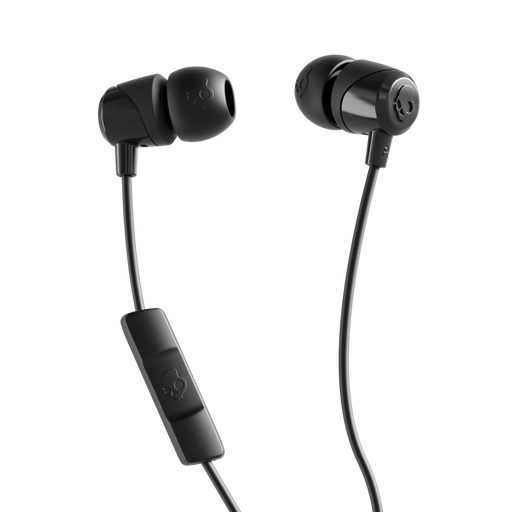
Why This Fits Their Persona: A straightforward option for students, commuters and mobile users who want wired audio without charging or Bluetooth pairing.
The USB-C connection is designed for direct use, while three ear-gel sizes help address the common problem of an insecure in-ear fit.
In-line microphone and remote; direct USB-C connection with no battery requirement.
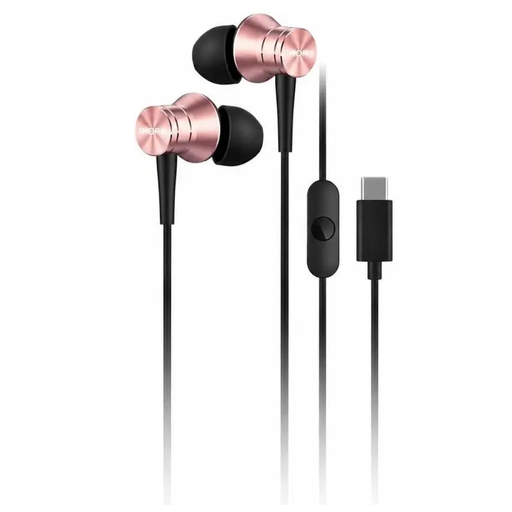
Why This Fits Their Persona: Suits listeners who value compact design, a spare pair and additional control for music, podcasts and calls.
The product is supplied as a two-pack, helping reduce the inconvenience of being left without a usable pair. Extra silicone tips address fit differences.
Built-in microphone and in-line remote; lightweight aluminium construction and reinforced cable.
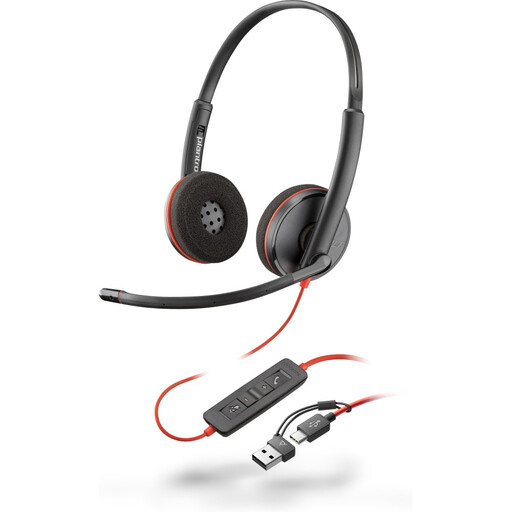
Why This Fits Their Persona: Designed for regular meetings, webinars and desk-based communication across modern and older office computers.
The product distinguishes microphone noise cancellation from listening-side ANC and includes both USB-C connectivity and a USB-A adapter.
Stereo audio; adjustable microphone boom, mute and call controls; compatibility with Windows, macOS, ChromeOS and supported softphones.
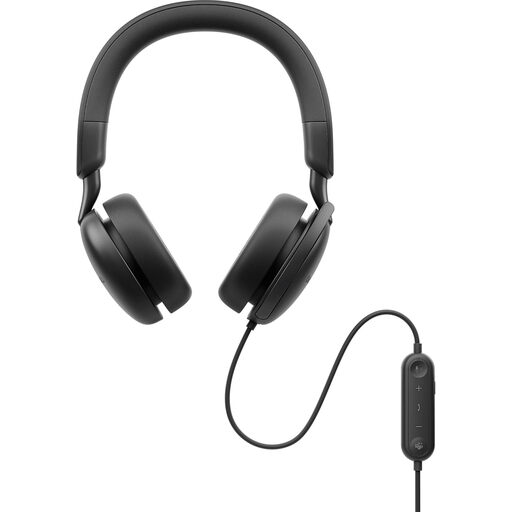
Why This Fits Their Persona: A practical match for open-plan offices, frequent video meetings and users who need listening-side noise control.
It specifies ANC separately from the AI-based microphone, while the transparency mode helps users hear their surroundings when needed.
USB-C and USB-A connectivity; replaceable memory-foam ear cushions; 40 mm drivers with a stated 20 Hz–20 kHz frequency response.
We have compiled a complete, real-time list of products that fully satisfy these strict selection criteria and UK safety regulations.
They can, provided the device supports USB audio through its USB-C port. Check compatibility before buying, particularly with older laptops, tablets and phones. Models supplied with a USB-C to USB-A adapter can also connect to compatible USB-A ports.
Standard wired USB-C headphones draw operating power from the connected device and do not require a separate battery. This is one reason they suit users who want to avoid charging and Bluetooth pairing. Features such as ANC or built-in processing may have different power requirements, so check the individual product specification.
Lifespan depends on construction, frequency of use and cable care. Store them without tight bends, keep the connector dry and pull the USB-C plug rather than the cable. For daily use, reinforced cables, metal housings or replaceable cushions may help with maintenance, but no material guarantees a particular service life.