One-phone desk or bedside users
If you need a replacement plug for one handset, a single-port USB-C charger is a starting point. Match its connector and stated output to your phone and cable.


For one phone, start with a single-port USB-C charger that matches the handset’s charging requirements and a suitable cable. A compatible iPhone may suit a 20W adapter, while a Galaxy model that supports Samsung Super Fast Charging may use a 25W PD/PPS charger; extra ports matter chiefly if you charge another device from the same socket. Check your accommodation rules as well as the plug and cable before ordering.
If you need a replacement plug for one handset, a single-port USB-C charger is a starting point. Match its connector and stated output to your phone and cable.
If you want shorter top-ups between lectures, check the requirements for your exact iPhone or Galaxy model. The phone, charger and cable all affect whether its documented fast-charging mode is available.
If the same plug must serve a phone and another USB device, compare port count and how power is allocated when both are connected. A higher output rating alone does not tell you what each port supplies.
Identify your phone’s charging requirements first, then decide whether you need a second port; check the seller and your room’s electrical-equipment rules before ordering.
| Concern | What to check | Who this matters to |
|---|---|---|
| Safety and seller | Choose an identifiable, reputable retailer and inspect the charger and cable for damage before use. | When a mains plug will sit near my desk or bed, I want to know who supplied it and avoid using damaged equipment. Reputable supply is the primary concern for around 34% of consumers. |
| Phone and cable compatibility | Check the exact handset’s connector, charging protocol and cable requirements before choosing a wattage. | If I need a quick top-up between lectures, I want a charger and cable that support my phone’s charging mode. Around 33% of consumers put that compatibility first. |
| More than one device | Check port types and the stated output for each port when devices charge together. | With one available socket and two devices to charge, I care about what each connected device can receive. For around 20% of consumers, shared-device capacity is the main priority. |
| Room rules and plug fit | Confirm the plug format and read your own accommodation agreement for any testing or approval requirement. | Before moving in, I need to know whether I can use this plug under my residence rules. That room-specific fit comes first for around 13% of consumers. |
Electrical Safety First warns that substandard or counterfeit USB chargers can present fire risks and damage devices.
Buy from a reputable retailer or official brand channel, and avoid listings that leave the seller or technical details unclear.
A 25W or 30W label does not establish the speed your handset will achieve. The phone, cable and supported charging protocol matter too.
Check your exact phone model’s charging requirements and whether you already have the appropriate cable.
Electrical Safety First advises keeping chargers ventilated and away from heat and liquids, and checking for burn or scorch marks.
Use a hard, uncovered surface away from bedding and liquids. Stop using a charger or cable that shows damage or scorching, and do not leave it charging overnight or while you are out.
Accommodation requirements vary. Aberystwyth University, for example, requires electrical items over 12 months old to be safety tested before use in its accommodation.
Read your own residence agreement and keep proof of when you bought the charger.
If testing is required, you may have to wait for it to be completed before using the charger.
Apple offers a 20W USB-C Power Adapter for iPhone users considering a single-phone setup.
Samsung’s EP-TA800XWEGGB is a 25W USB-C option for compatible Galaxy phones.
Belkin’s WCA006 is a single-port 20W USB-C PD charger with PPS for compatible devices.
UGREEN’s Nexode 30W is an option if you are considering a charger beyond a 20W phone-only plug.
Anker lists both single-port and multi-port chargers, relevant if your socket needs may change.
These choices include single-phone USB-C chargers and a multi-port option for charging other devices from the same plug. Match the charger’s stated features to your phone, cable and room socket.
 No image available
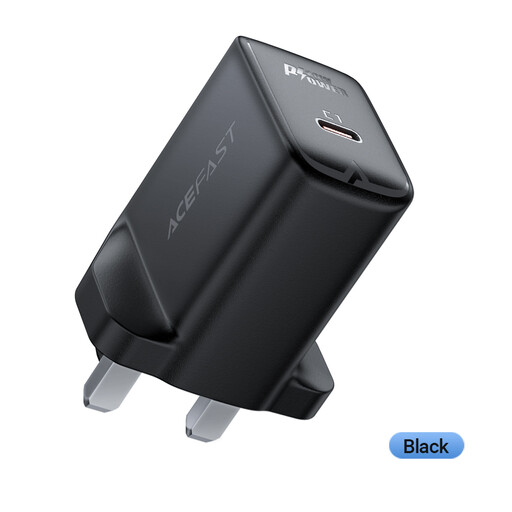
Consider this single-port charger for one phone whose charging requirements match its USB-C PD output.
Check that you have a suitable cable and confirm the charger’s product-safety information before use.
 No image available
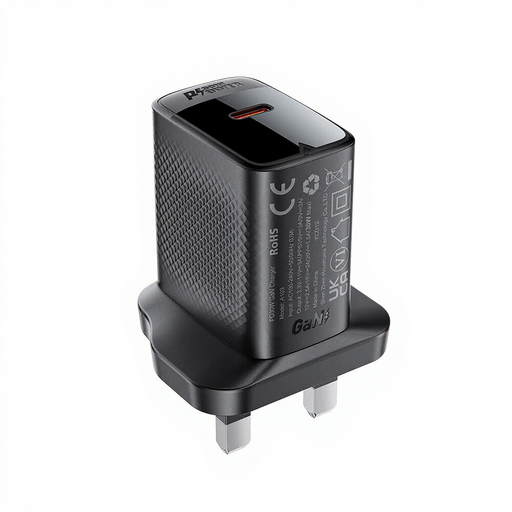
Consider the 30W rating if you also want to use the charger with another compatible USB-C device; it does not by itself make a phone charge faster.
Check your phone’s supported input and protocol, the cable you will use and the charger’s product-safety information.
 No image available
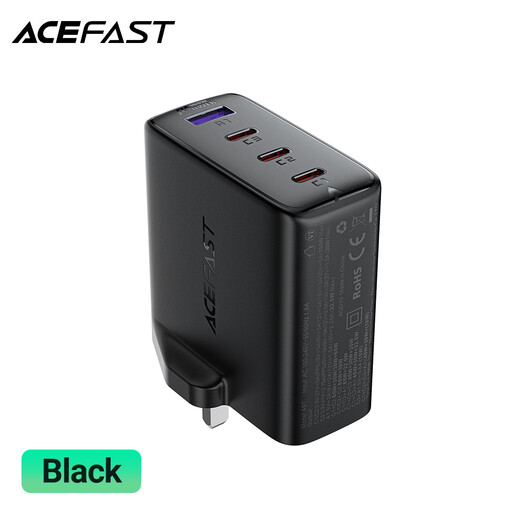
This multi-port option is relevant if one plug needs to serve a phone and other devices.
The title specifies three USB-C ports, one USB-A port and a 100W rating. Check the output available from each port when devices are connected together, as well as phone compatibility, cable needs and product-safety information.
 No image available
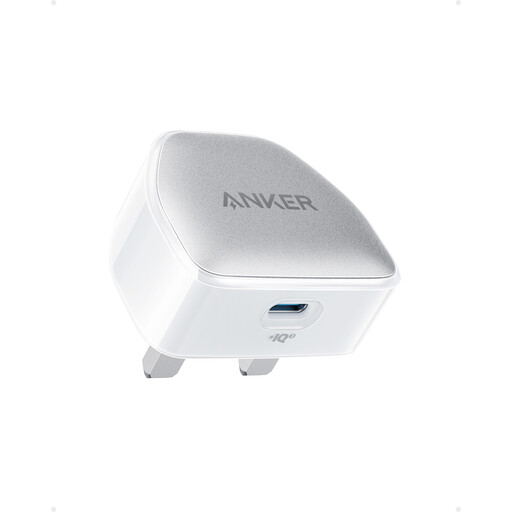
This 20W USB-C option is relevant to a one-phone setup if its connector and charging requirements match your handset.
Confirm the plug format for your socket, whether you need a separate cable and compatibility with your exact phone before ordering.
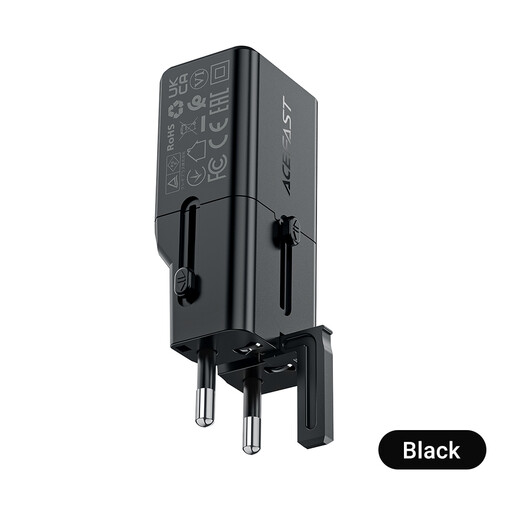 No image available
Consider this 30W PD option only after checking what your phone and cable can use; its rating alone does not establish phone charging speed.
Confirm the plug format, cable requirements and product-safety information for your room setup.
It can be enough for a phone-only setup if it meets your handset’s charging requirements. Apple states that its 20W USB-C adapter supports fast charging for iPhone 8 or later; a compatible Galaxy phone may use Samsung’s up-to-25W PD 3.0 PPS charging instead. Check your exact model and cable.
Not necessarily: the phone, charger and cable must support the relevant charging arrangement. Check the handset’s stated input and protocol rather than choosing by the charger’s maximum wattage alone, and use an undamaged, suitable charger and cable.
Check the contents of the exact charger before ordering. Apple, for example, sells the cable separately from its 20W USB-C Power Adapter; you also need a cable with connectors suited to your phone and charger.
Your residence may set its own electrical-equipment requirements. Aberystwyth University states that electrical items over 12 months old must be safety tested before use in its accommodation; check your own agreement or ask your residence team rather than applying that rule to every hall.
Choose a reputable seller and do not use a charger or cable that is damaged or scorched. Electrical Safety First also advises keeping chargers away from heat and liquids, ensuring ventilation, and not leaving them charging overnight or while you are away.