Tablet owners replacing a charger
Identify the exact tablet model and its charging port before choosing a plug or cable. Apple’s iPad guidance varies by model, while Samsung’s tablet guidance covers both USB-C and micro-USB connections.


Choose a USB charger by checking your tablet’s exact model, connector and manufacturer charging requirements before comparing wattages. A higher-power adapter will not necessarily charge the tablet faster; if you want to charge two devices together, check the stated output with both ports in use.
Identify the exact tablet model and its charging port before choosing a plug or cable. Apple’s iPad guidance varies by model, while Samsung’s tablet guidance covers both USB-C and micro-USB connections.
Check the tablet’s supported charging mode as well as the adapter and cable. Apple specifies a USB-C-compliant adapter rated at 60W or higher for iPad Pro (M5) rapid charging; Samsung sets additional device and protocol conditions for Super Fast Charging 2.0.
If a tablet shares a charger with a phone or another device, compare the output available while both ports are occupied. A charger’s total wattage alone does not tell you what each connected device can receive.
Start with the tablet’s connector and charging guidance. Once those are clear, decide whether faster supported charging, a second port or easier carrying matters most.
| Concern | What to check | Who this matters to |
|---|---|---|
| Model and cable compatibility | Identify the tablet’s port, then check its maker’s adapter and cable guidance. | If I am replacing a charger, I need a cable that fits my tablet and an adapter suited to its model. Roughly 36% of consumers would put compatibility first. |
| Fastest supported charge | Check the tablet’s supported charging mode against the adapter’s output, protocol and cable requirements. | When a shorter top-up is my priority, I want the charging arrangement my tablet can actually use, not just a high wattage on the plug. Around 29% of consumers would prioritise supported charging speed. |
| Two-device charging | Read the output stated for each port when both are occupied. | If my tablet and another device need charging together, I care about the power available to each one. Approximately 21% of consumers would make simultaneous charging their primary concern. |
| Portability | Compare the plug format, size, weight, port count and whether a suitable cable is included. | When I carry a charger regularly, it needs to be convenient to pack without giving up the connection my tablet requires. About 14% of consumers would put portability first. |
Charging speed depends on the tablet, adapter, protocol and cable working together. Apple’s iPad Pro (M5) rapid-charge requirement and Samsung’s Super Fast Charging 2.0 conditions apply to compatible devices, not every tablet.
Find your tablet’s model-specific guidance before paying attention to extra adapter capacity.
Power can be allocated differently when two devices are connected. Belkin specifies up to 20W from each port on its WCB006; another charger’s total-output figure does not establish the same arrangement.
Check the maker’s simultaneous-output information for the ports you intend to use.
Samsung’s tablet guidance includes models with both connector types. A USB-C cable will not plug directly into a tablet’s micro-USB port.
Inspect the tablet’s port and confirm its exact model before ordering the cable and charger.
In June 2026, Which? reported electrical-safety risks among marketplace chargers it tested. A familiar-sounding name or a marking by itself does not establish that an individual charger is safe.
Look for a traceable manufacturer or responsible importer, clear product identification, instructions and documentation appropriate to where you will use the charger.
These examples illustrate different specifications to check; the right adapter still depends on your tablet model and how you will use it.
A starting point for iPad owners checking model-specific adapter and cable guidance.
A reference for Galaxy tablet owners identifying their connector and supported charging mode.
Its Nano Charger (45W) with USB-C Cable is a single-device option to examine if carrying convenience matters.
Its BoostCharge Dual USB-C PD Wall Charger 40W (WCB006) provides a stated per-port figure for two-device use.
Its Nexode 45W 2-Port Charger is another dual-USB-C option to assess.
These USB-C adapters are choices to consider once you have confirmed your tablet uses a suitable USB-C charging arrangement. Compare each adapter with your exact tablet’s requirements, particularly if you want its fastest supported charging mode.
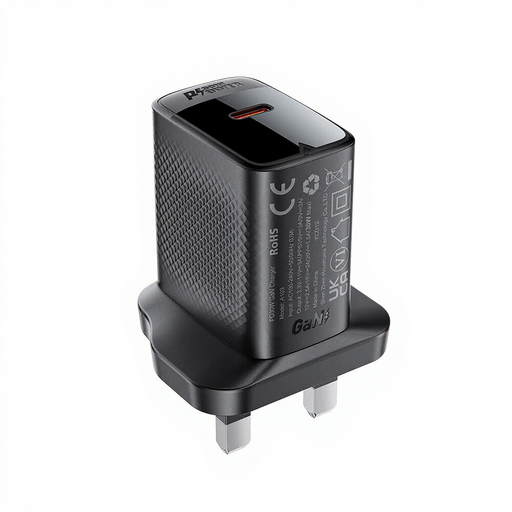 No image available
Consider this 30W USB-C adapter if its output meets your tablet’s model-specific requirements. Check its detailed output and whether you need to obtain a compatible cable separately.
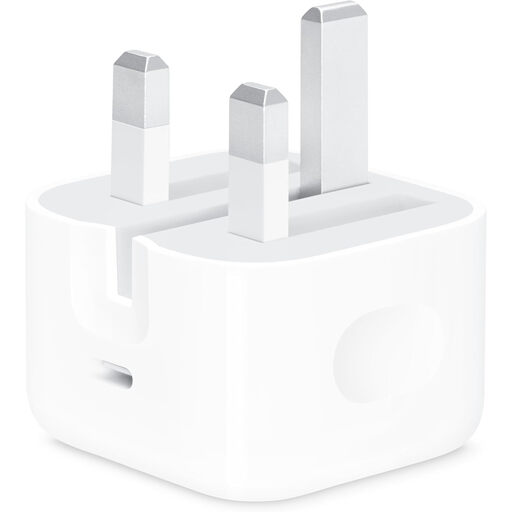 No image available
This 20W USB-C adapter is worth checking for an iPad whose model-specific guidance permits it. A charging cable is not included, and the adapter should not be assumed to meet every iPad’s fastest-charging requirement.
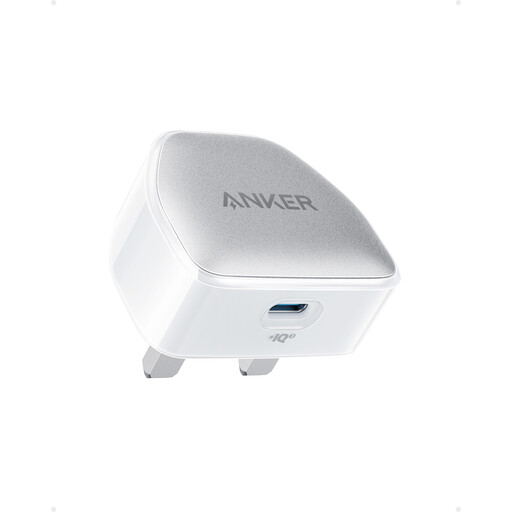 No image available
Consider this 20W USB-C charger where its output suits your tablet’s charging requirements. Confirm the required charging protocol and cable for your tablet before ordering.
No. USB-C identifies the connection, while the tablet’s supported power and charging protocol, the adapter and the cable determine which charging mode is available. Apple specifies a 60W-or-higher USB-C-compliant adapter for iPad Pro (M5) rapid charging; Samsung sets USB PD 3.0 and Direct Charging conditions for Super Fast Charging 2.0.
A compatible USB Power Delivery arrangement allows the device to request power within the available charging arrangement, so a higher adapter rating does not by itself mean the tablet will draw that maximum. Check the tablet maker’s requirements and the charger and cable specifications rather than relying on the wattage alone.
Yes, if the charger has suitable ports and its stated simultaneous output meets both devices’ needs. Belkin specifies up to 20W per USB-C port for its WCB006; for another model, read its own output information with both ports occupied.
Look for clear product identification, a traceable manufacturer or responsible importer, and appropriate instructions and documentation. The Office for Product Safety & Standards states that electrical equipment placed on the Great Britain market is subject to the Electrical Equipment (Safety) Regulations 2016; Northern Ireland has different arrangements. A listing title or marking alone is not proof that an individual charger is safe.