Choose a PIN-access, hardware-encrypted USB drive when the group’s assessment of identifiable interview recordings calls for stronger protection during transport or hand-offs. A standard USB-A or dual USB-A/USB-C drive may fit a controlled workflow instead, provided its connection and file format work with the group’s devices; whichever route you choose, calculate capacity from actual recordings and keep a separate, controlled backup.
Who is choosing the drive?
Privacy-conscious interview coordinators
Coordinators carrying identifiable audio between volunteers or venues need to decide who can access each copy and how it will be protected. The Information Commissioner’s Office identifies encryption as a way to protect personal information stored on USB media.
Mixed-device recording teams
Teams moving files between USB-A computers and USB-C devices need to check the ports at every hand-off. Kingston’s DataTraveler Duo is one example of a drive with both connector types.
Small archive teams
Groups retaining recordings from repeated sessions need space for their actual files, a format their devices can read and a separate backup. The Information Commissioner’s Office also emphasises keeping information available and recoverable.
What should the group check?
Decide how the recordings need to be protected, trace the devices used to move them, then size and format the drive around the files the group will create.
| Concern | What to check | Who this matters to |
|---|
| Protecting recordings |
Assess what the audio identifies, who carries the drive and whether PIN-access hardware encryption fits the risk; plan how authorised users will retain access. |
If identifiable interviews leave a controlled location, I need to limit who can open them without losing access myself. Around 42% of consumers put protection of recordings first. |
| Moving files between devices |
Check USB-A and USB-C ports throughout the workflow, then test whether each device can read the chosen drive and file format. |
When volunteers use different computers or tablets, I need a drive that works at each hand-off. For around 33% of consumers, device compatibility is the main concern. |
| Capacity and recovery |
Calculate space from actual file sizes, session numbers and retention plans; check file-system support and arrange a separate backup. |
If we keep recordings from repeated sessions, I need enough usable space and a way to recover files if the portable copy is lost. That is the primary need for around 25% of consumers. |
Mistakes that affect the workflow
-
Treating the USB drive as the archive
A portable copy can be lost, damaged or deleted. The Information Commissioner’s Office says appropriate security measures should address availability and restoration as well as confidentiality.
Make a separate backup that authorised people can access, and test how files would be restored.
Otherwise, lost interviews may mean time spent repeating work, if repeating it is possible.
-
Assuming encryption is always required—or never relevant
The Information Commissioner’s Office advises security measures appropriate to the risk and identifies encryption as a safeguard for personal information on USB media. The decision depends on the recordings and how the drive is handled.
Assess what participants can be identified from, where the drive travels and who needs access before choosing an encrypted or controlled standard-drive workflow.
-
Choosing USB-A before checking every device
A USB-A-only drive cannot plug directly into USB-C-only equipment. Kingston lists both USB-A-only and dual USB-A/USB-C DataTraveler models, but connectors alone do not establish recorder or file-system compatibility.
List the devices used for recording, copying and transcription, then test the intended transfer before the first interview.
An overlooked USB-C-only device could require an adapter or a different drive.
-
Using FAT32 without checking individual file sizes
Microsoft states that FAT32 has a 4GB limit for a single file, whereas exFAT permits larger single files.
Check the recorder’s file sizes and use exFAT only if every device that must read the drive supports it.
Relevant brands for reference
Kingston
Its specified product lines cover USB-A, dual-connector and keypad-access hardware-encrypted drives.
- Kingston lists USB-A DataTraveler Exodia versions and a USB-A/USB-C DataTraveler Duo, giving groups different physical connection options.
- Those connector choices do not make every Kingston drive encrypted; check the exact model and its access controls.
iStorage
The datAshur PRO is relevant when a group is considering PIN-authenticated portable storage for sensitive recordings.
- iStorage describes the datAshur PRO as a PIN-authenticated drive with AES-XTS 256-bit hardware encryption.
- A group using PIN access still needs rules for authorised users, credentials and recoverable backups.
SanDisk
Its Ultra USB Type-C line is relevant to workflows that need a direct USB-C connection.
- SanDisk specifies a USB-C connector for the Ultra USB Type-C flash drive.
- A USB-C connector alone does not establish compatibility with the group’s recorder or provide the access controls its recordings may need.
Joybuy product choices
These drives offer different approaches to moving interview files: dual-connector models for mixed devices, a keypad-access model for a workflow requiring hardware encryption, and a USB-A model for compatible computers. Check capacity, file format and protection against the group’s own recording process.
 No image available
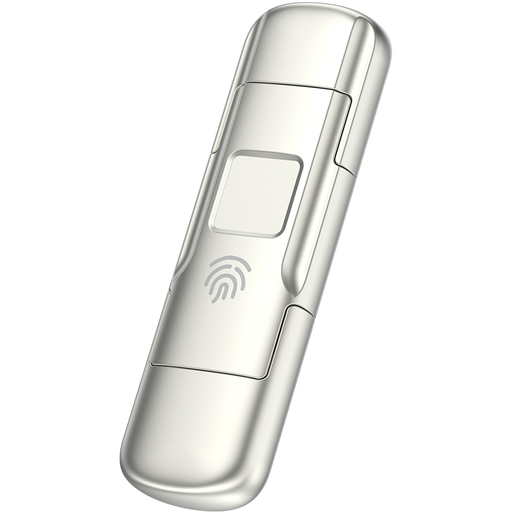
MOVESPEED YSUYC-256GSN 256GB dual USB drive (Silver)
Consider this model if files need to move between USB-A and USB-C devices. Its title specifies USB 3.2 Gen 1 and stated read and write speeds of 550MB/s and 500MB/s. The listing also describes fingerprint access and encryption; check how those controls and access recovery work before relying on them for identifiable recordings, and confirm device and file-system compatibility.
View on Joybuy
 No image available
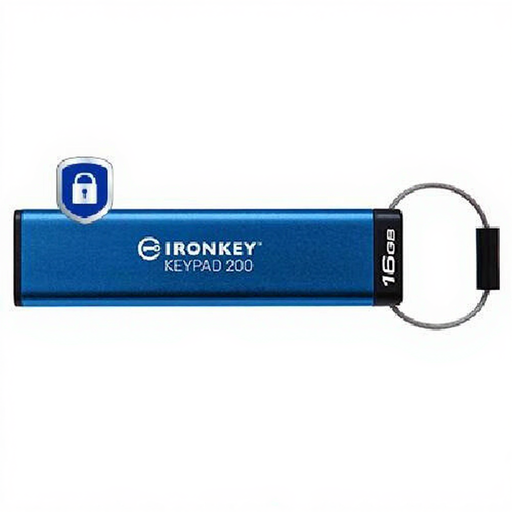
Kingston IronKey Keypad 200 16GB
Consider this USB-A model if the group’s risk assessment calls for a keypad-access, hardware-encrypted drive and it can manage PIN access. The listed capacity is 16GB; compare that with actual recording sizes and maintain a separate backup. Check the applicable certification status for this exact variant rather than relying on the listing’s pending designation.
View on Joybuy
 No image available
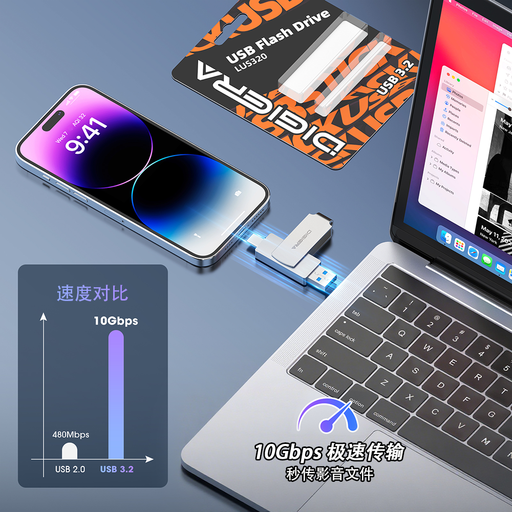
DigiEra LUS320 128GB dual USB drive
The USB-A and USB-C connectors suit file hand-offs between devices with those ports. The title states a read speed of up to 500MB/s, and the listing identifies exFAT as the file system. Confirm that the recorder and every other device can use exFAT; assess separately how identifiable recordings will be protected.
View on Joybuy
 No image available
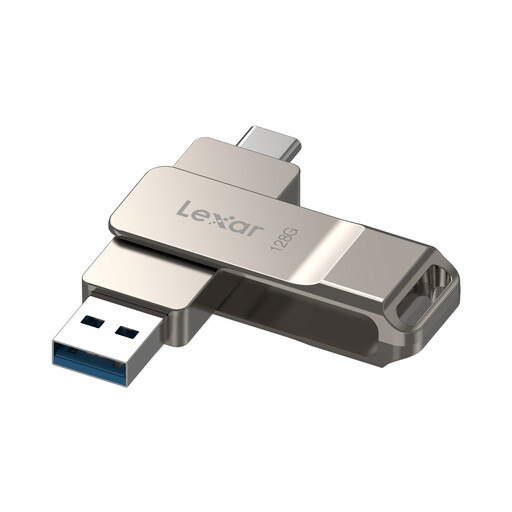
Lexar D40E 128GB dual USB drive (LJDD40E128G-BNSNG)
Consider this dual-interface drive for transfers between USB-A and USB-C equipment. Its title specifies USB 3.2 Gen 1. If the group intends to use the listed software-based secure partition, check that the required Lexar software works on its devices; also confirm file-system support and the capacity needed for its recordings.
View on Joybuy
 No image available
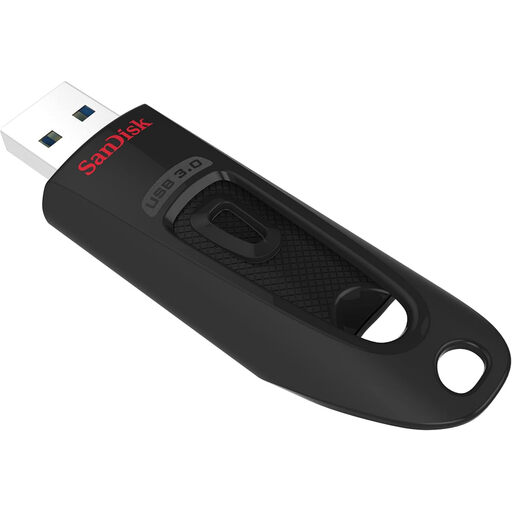
SanDisk Ultra 128GB USB 3.0 flash drive
This USB-A drive is an option for a workflow using compatible USB-A computers. Check the group’s actual storage needs and device support. If planning to use the listed SecureAccess password-protection software, confirm its compatibility and assess whether that approach meets the recordings’ protection needs; keep a separate backup.
View on Joybuy
Common questions
Does a UK community group have to use an encrypted drive?
Not in every case. Where interview recordings contain personal information, the group should select security measures appropriate to its circumstances and risk; the Information Commissioner’s Office identifies encryption as a way to protect personal information held on USB media. Consider who carries the drive, who can open it and the consequences if it is lost.
Should we use FAT32 or exFAT for long interviews?
Choose a file system that every device in the recording and transfer workflow supports. Microsoft states that exFAT permits single files larger than FAT32’s 4GB limit, which matters if an individual recording could exceed that size; check the recorder before formatting.
Can an encrypted USB drive hold our only copy?
No: encryption does not provide a recoverable second copy. The Information Commissioner’s Office says appropriate security measures should protect availability as well as confidentiality, so maintain a separate controlled backup and test that authorised people can restore recordings.
What if a drive containing identifiable interviews is lost?
Treat the loss as a potential personal-data breach and promptly assess what information was exposed and the risk to affected people. The Information Commissioner’s Office says organisations must keep a record of personal-data breaches; use its breach guidance to assess any further reporting duties that apply.


