People moving large photos and video
If you transfer photo libraries, edited video or multi-gigabyte clips, check both the capacity you need and the size of your largest single file. Transfer speed matters more when you make these copies regularly.


Choose a USB flash drive for occasional transfers when pocketability and connector fit matter most; consider a portable SSD for frequent large transfers, or a portable hard drive when carrying a large collection matters more than transfer speed. Before choosing, check every device’s port and USB capability, then confirm that the drive’s file system permits the file sizes and read/write access you need.
If you transfer photo libraries, edited video or multi-gigabyte clips, check both the capacity you need and the size of your largest single file. Transfer speed matters more when you make these copies regularly.
When folders move between home and work computers, check whether each machine has USB-A or USB-C and whether both systems can write to the drive’s file system. The port’s USB capability also affects achievable speed.
For iPhone or iPad transfers, connector or adaptor fit is only part of the check. Apple Support says external files are accessed through Files or another supported app; the storage format and partition arrangement must also meet the device’s requirements.
Choose when: Transfers are occasional and a small drive that connects directly to your devices is the priority.
Trade-off: Which? tests show that USB sticks differ in performance, durability and capacity, so a compact format alone does not establish how quickly it will copy large files.
Choose when: You move large folders repeatedly or expect the drive to be handled frequently while travelling.
Trade-off: Which? identifies SSDs as generally faster than portable hard drives, but a drive’s maximum speed is not its sustained copying speed on every host.
Choose when: You carry a large file collection between computers infrequently and can give transfers more time.
Trade-off: Which? describes portable hard drives as slower than SSDs; their moving parts also make careful handling important.
| Priority | What to check | Your needs |
|---|---|---|
| Large-file transfers | Compare large-copy results measured on the same basis, not just advertised maximum read speed. Check the host port and any cable or hub against the drive’s USB mode; Kingston says DataTraveler Max needs a USB 3.2 Gen 2 host for optimal performance. | I move video or work folders often enough that copying time affects my routine. |
| Connector fit | List the USB-A and USB-C ports on every intended device. For a phone or tablet, check the required connector or adaptor and supported storage workflow; an adaptor does not itself resolve speed or file-system compatibility. | My files need to move between devices with different sockets, preferably without changing accessories each time. |
| File-system access | Check that each device can read and write the chosen format. Apple Support lists exFAT as Windows-compatible in macOS Disk Utility, while Microsoft Learn states that FAT32 limits an individual file to 4 GB; confirm mobile-device requirements separately. | I need to copy files in both directions, including individual videos or archives larger than 4 GB. |
| Capacity | Allow for the files you will carry together, then distinguish total drive capacity from the file system’s individual-file limit. For a large collection, compare the available capacities of the exact flash-drive, SSD and hard-drive models. | I carry a whole photo library or project folder rather than just a few files. |
| Handling | For frequent travel, compare independently tested drop or spill results where available. Read the exact conditions and warranty exclusions behind any manufacturer protection claim. | The drive will be carried between locations, so knocks and exposure during handling are relevant to my choice. |
A USB-C connection does not establish the host’s data speed. Kingston says a DataTraveler Max needs a USB 3.2 Gen 2 host for optimal performance, and a lower-rated cable or hub can limit a transfer.
Check each device’s port specification and the USB rating of any cable or hub you intend to use.
Using an adaptor or replacement cable adds another item to carry and check.
Microsoft Learn states that FAT32 has a 4 GB maximum file size. Free space on the drive does not remove that limit for a single video, archive or disk image.
Check your largest file. For Windows-and-Mac exchange, assess exFAT and confirm that every intended device can use the chosen format before reformatting.
A manufacturer’s maximum speed does not show how long a bulk transfer will take on your equipment. Which? tests storage performance, while the host connection and intervening accessories can affect the result.
If you copy large folders frequently, compare large-transfer tests run on the same basis and check your host port’s capability.
Repeated copies may take longer than a headline speed suggests.
Samsung UK says the T7 Shield’s IP65 rating is based on controlled internal testing and notes that liquid and dust damage are not covered by its warranty. A protection rating does not cover every handling situation.
Read the selected model’s test conditions and exclusions, handle the drive accordingly and keep another copy of important files.
These brand lines illustrate different connector, capacity and handling considerations; the claims below apply to the named lines, not every product from each brand.
The T7 Shield line is relevant if you want a portable SSD and expect frequent handling while moving large files.
Its Extreme PRO flash-drive variants include USB-C and dual USB-C/USB-A choices for different sets of device ports.
Kingston DataTraveler lines offer USB-A, USB-C and dual-connector formats; the connector choice should follow your devices.
The One Touch external hard-drive line is a capacity-led route for carrying file collections between locations.
These flash drives and portable SSDs offer options for moving files between compatible devices. Match each one to your ports, file sizes and transfer frequency; the portable hard-drive route discussed above is a separate choice.
 No image available
The two connector types are relevant when moving files between compatible USB-A and USB-C devices. The listing names USB 3.2, a 360° swivel design and a stated read speed of up to 500 MB/s; check the receiving device’s file-system support and use large-copy tests if transfer time matters.
 No image available
This portable SSD is an option for carrying larger folders between compatible computers. Its title specifies USB Type-C 3.2 Gen 2; check the connections needed for each computer, read/write file-system compatibility and comparable large-transfer results before relying on a particular copying speed.
 No image available
The dual-connector format may suit transfers between compatible devices with different ports. The title specifies USB 3.2 Gen 1, a zinc-alloy housing and a stated read speed of up to 570 MB/s; confirm the file system on your devices and do not treat that maximum as a sustained copy speed.
 No image available
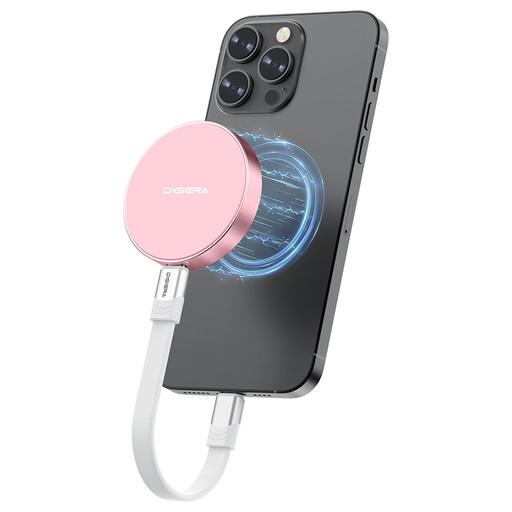
This USB-C SSD is an option to assess for moving large files with a compatible host. Its title specifies USB 3.2 Gen 2x2 and a stated transfer speed of up to 2000 MB/s; check the host’s supported USB mode, file system and exact phone connection workflow before relying on speed or magnetic attachment.
 No image available
This USB Type-C 3.2 Gen 2 portable SSD is relevant when large files are carried between locations. Samsung UK states that the T7 Shield’s IP65 rating and resistance to drops of up to 3 m are based on controlled tests; it excludes liquid and dust damage from warranty cover. Check file-system compatibility and comparable large-copy results for your intended devices.
Yes, if both computers can read and write its file system; exFAT is a format to check for this use. Apple Support lists exFAT as Windows-compatible in macOS Disk Utility and notes that a Mac may read an NTFS drive without being able to write to it.
Check the drive’s file system: Microsoft Learn states that FAT32 cannot hold an individual file larger than 4 GB, regardless of remaining capacity. Check the video’s size before choosing or changing formats.
Apple Support says Files and other supported apps can access connected external storage when the device and connection meet their requirements. Check the connector or adaptor and supported format; for iPhone, Apple specifies a single data partition and lists exFAT, FAT32 and FAT among supported formats.
No. USB-C identifies the connector, not the full data capability of the drive, host and accessories. Kingston says DataTraveler Max requires a USB 3.2 Gen 2 host for optimal performance, so check the port and any cable or hub as well.
Copy any files you need to keep to another location first. Apple Support states that erasing and reformatting a storage device deletes everything on it; then check that the new format works with every device that needs access.