
24/7 Customer Support

Free returns

Same-day & Next-day Delivery

Quality Guaranteed

Unlock Your Welcome Offers: FREE Delivery | Up to 80% OFF | Free 30-day JoyPlus trial
Download the APP
A suitable USB wall charger UK plug should make everyday charging simpler, not leave you with slow power, loose connections or an adapter that occupies half a socket. UK shoppers often compare wattage and price first, but several less obvious details affect whether a charger suits a phone, tablet, power bank or travel routine.
Before buying, watch for these common pitfalls:
Wattage gives a useful indication of potential charging speed, but compatibility matters just as much. A 20W USB-C charger with Power Delivery is commonly suited to compatible smartphones and smaller tablets. A 30W PD charger may provide more headroom for tablets, handheld consoles and selected compact laptops, subject to the device’s own requirements.
For several devices, consider the port allocation rather than the headline number. A 32W wall charger may combine a 20W USB-C PD port with a lower-output USB-A port. A 65W USB-C charger is more appropriate for users who need higher power for compatible laptops or multiple USB-C devices, but check the manufacturer’s output table before purchase.
Look for clearly stated support such as USB Power Delivery, QC or another recognised charging protocol. Avoid listings that only say “fast charging” without specifying wattage, port output or compatibility.
Choose ports based on the cables already in your household:
A dual-port charger does not necessarily charge two devices at the maximum advertised speed simultaneously. The product specification should explain whether the output is redistributed when both ports are in use.
A compact wall charger is easier to store in a desk drawer, student accommodation or travel bag. Foldable pins can make packing more convenient, while a stable UK three-pin design is important for a secure connection in a standard socket.
Check for practical safety information covering over-current, over-voltage, short-circuit and overheating protection where stated by the manufacturer. Use the charger in a ventilated position, keep it away from moisture and heat, and stop using it if the casing, pins or ports become damaged.
For a replacement mains plug rather than a USB charger, wiring requires additional care. A rewirable three-pin plug must use the correct fuse rating, secure terminals and an effective cord grip. If you are not confident with electrical wiring, use a qualified professional rather than relying on guesswork.
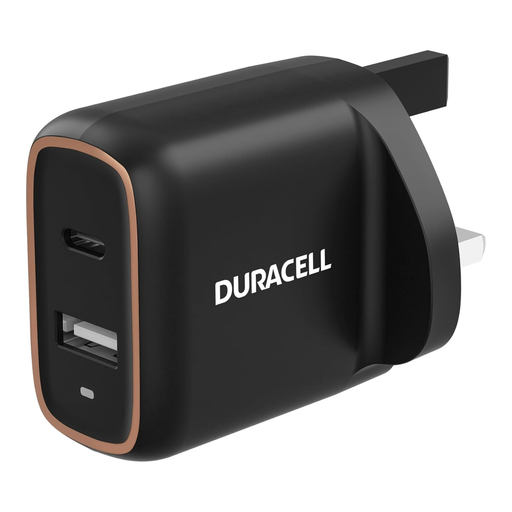
Why This Fits Their Persona: A straightforward option for a phone, power bank or tablet user who wants one UK plug charger with both current and older USB connections.
Its stated 20W USB-C Power Delivery output and UK plug format are clearer than an unspecified “fast” charging claim.
One USB-C and one USB-A port; supports simultaneous charging and includes a stated three-year warranty.
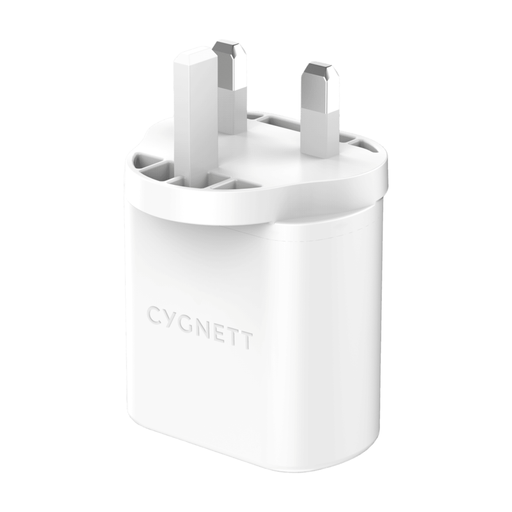
Why This Fits Their Persona: Suitable for home, office and travel users who want a compact dual-port charger with a foldable UK plug.
The product description separates its 20W USB-C PD port and 12W USB-A port, helping buyers understand the allocation.
32W total output; foldable plug; stated protections include over-current, over-voltage, short-circuit and overheating safeguards.
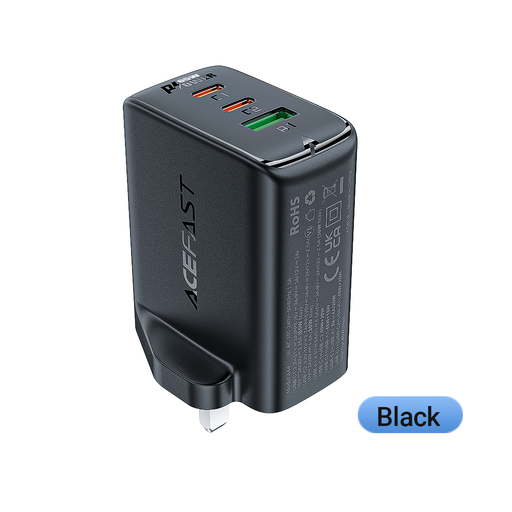
Why This Fits Their Persona: A higher-output choice for households, professionals and users charging several USB-C devices, subject to device compatibility.
Its 65W total rating and clearly listed two USB-C plus one USB-A configuration make it easier to compare with lower-output chargers.
Three charging ports; two USB-C ports; 65W stated output for compatible equipment.
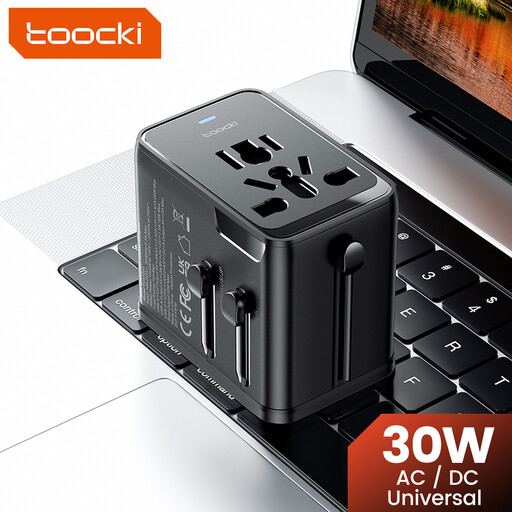
Why This Fits Their Persona: Designed for travellers moving between UK, EU, US and Australian socket formats who also need USB charging.
The plug formats and port arrangement are stated in the product name, reducing uncertainty when planning international trips.
30W PD charging; one USB-A and two USB-C ports; supports UK, EU, US and Australian plug formats.
We have compiled a complete, real-time list of products that fully satisfy these strict selection criteria and UK safety regulations.
It is generally sensible to unplug a charger when it is not needed, particularly if the charger becomes warm, shows visible damage or is in an enclosed space. Keep it uncovered during use and follow the product’s safety instructions. Leaving a charger connected does not charge a device faster once the device has reached its normal charging limit.
For many compatible smartphones, a 20W USB-C charger can provide a suitable level of wired charging. The actual result depends on the phone, cable, battery level and supported protocol. Check the device specification before paying extra for a 30W PD charger or higher-output model.
It can provide USB charging while travelling, but it serves a different purpose from a standard UK wall charger. Confirm whether the adapter supports the destination socket and whether it includes voltage conversion. USB ports may charge phones and tablets, while the mains sockets may be intended only for appliances compatible with the local voltage.