Who is each option for?
How often you move files, and how large they are, matters more to this choice than capacity alone.
Frequent large-file movers
If you regularly carry video, photo libraries or sizeable work folders between computers, consider a portable SSD and check the connection at each end. Which? describes SSDs as generally faster than HDDs, but a drive’s stated maximum speed also depends on the host and connection.
Occasional document and photo movers
A USB flash drive is a compact option for carrying coursework, documents or photos. Check its connector against both devices, and look at write speed if copying files onto it is part of the routine; Which? assesses USB sticks on transfer performance as well as capacity.
Windows and Mac users
If you need to write to the same drive from Windows and macOS, check its format before moving files. Apple and Kingston identify exFAT as an option for use across the two environments. Copy existing files elsewhere before reformatting a drive.
What should you check before buying?
Choose a route for the files you actually move, then check the connection and format before relying on its advertised capacity or speed.
USB flash drive
Consider it when: You want a pocketable drive for occasional copies, particularly between computers with compatible ports.
Watch for: Connector choice and write speed still matter when you regularly copy larger folders.
Portable SSD
Consider it when: You repeatedly move large files and can use the drive’s connection on both devices.
Watch for: Which? says SSDs are usually pricier than HDDs; a slower port or cable can also limit a drive’s stated speed.
Portable HDD
Consider it when: Carrying a large collection matters more than finishing each copy quickly.
Watch for: Which? describes HDDs as slower than SSDs, a relevant trade-off for repeated large transfers.
| Priority |
What to check |
Your needs |
| Transfer time |
Compare stated read and write speeds, not just the interface name. Check whether both computers’ ports, and any cable or hub, support the connection required for those speeds. |
I move large media or work folders often enough that waiting for copies to finish affects my routine. |
| Connectors |
Identify the USB-A or USB-C port on each device. If you need an adapter, hub or separate cable, check its connector and data-transfer rating. |
My files need to travel between devices with different ports, preferably without changing accessories midway. |
| Drive format |
Check the file system before copying. Microsoft lists a 4 GiB maximum individual file size for FAT32; Apple and Kingston identify exFAT for Windows and Mac use. Formatting erases existing files. |
I need to open and write files on both Windows and macOS, or carry an individual video or disk image larger than 4 GiB. |
| Capacity and carrying |
Add up the files that must travel together, then check the drive’s stated capacity. Consider its size and any protection claims in light of the conditions and limits attached to them. |
Sometimes I carry a whole collection rather than a few documents; at other times, a small drive is easier to take along. |
Relevant brand references
These examples illustrate different storage routes; brand information does not mean every product line has the same features.
Samsung
The T7 Shield is a portable SSD reference for repeated large-file transfers and regular carrying.
- Samsung states that its UK T7 Shield 2TB can reach up to 1,050 MB/s read and 1,000 MB/s write when the host and cable support USB 3.2 Gen 2 and UASP is enabled.
- Its protection claims have test conditions; Samsung says real-world resistance can vary and excludes liquid, dust and drop damage from warranty coverage.
Kingston
Kingston’s DataTraveler range includes flash-drive choices for USB-A, USB-C and mixed-port transfers.
- Kingston lists the DataTraveler Duo and microDuo 3C as compatible with both USB-A and USB-C devices.
- Kingston says optimal DataTraveler Max performance requires a USB 3.2 Gen 2 host; check any hub or cable used with the connection.
Seagate
The Backup Plus portable HDD illustrates a capacity-led route for carrying a larger collection of files.
- Seagate describes the Backup Plus portable HDD range as offering up to 5TB.
- Seagate’s UK page says this particular product is no longer in stock; check the format and connection requirements of any HDD you actually select.
Joybuy options for moving files
These options cover flash-drive, portable SSD and portable HDD routes for carrying files between devices. Match the connector and drive format to the computers you will use rather than assuming that a stated capacity or speed settles the choice.
 No image available
Samsung Portable SSD T7 1 TB, USB 3.2 Gen 2, Blue
A portable SSD to consider for repeated large-file transfers. Its title specifies 1 TB and USB 3.2 Gen 2; check both computers’ ports, the cable you will use and the drive format before moving files between them.
View on Joybuy
 No image available
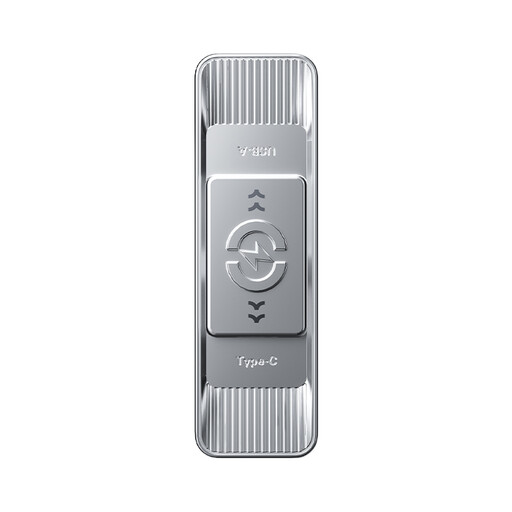
MOVESPEED YSUSP05-512GSR 512 GB dual-connector flash drive
Its USB-A and USB-C connectors make it worth considering when the devices at either end have different ports. The title specifies USB 3.2 Gen 1 and a 570 MB/s read-speed claim; check the drive format and your largest file before cross-device use.
View on Joybuy
 No image available
Samsung T7 Shield Portable SSD 1 TB, Blue
A USB 3.2 Gen 2 SSD to consider when large files travel regularly. Joybuy’s description for this 1 TB model lists IP65 protection and up to 3-metre drop resistance; treat these as conditional protection claims, not a guarantee against damage, and check the connection and drive format for your devices.
View on Joybuy
 No image available
Western Digital My Passport Ultra for Mac 5 TB, Silver
This portable HDD is a capacity-led option for carrying a large file collection. Because it is the for Mac variant, confirm its format and any steps needed to write files from Windows before choosing it for transfers between both systems.
View on Joybuy
 No image available
DigiEra LPS2000M-3 magnetic portable SSD 1 TB, Pink
A USB-C portable SSD to consider for moving sizeable files between compatible devices. Its title specifies USB 3.2 Gen 2x2 and a speed claim of up to 2,000 MB/s; check host support, drive format and exact phone compatibility if mobile use matters.
View on Joybuy
Common questions
Should I use a flash drive or a portable SSD for large files?
A flash drive is a pocketable choice for occasional transfers; consider a portable SSD when large transfers recur and both devices support its connection. Check stated read and write speeds against your ports rather than assuming either type will finish every copy faster.
Can I use the same drive with Windows and macOS?
Yes, if its format is suitable for writing files on both systems. Apple and Kingston identify exFAT as an option for Windows and Mac use; check the drive’s current format, and copy existing files elsewhere before reformatting because that erases them.
Why will a large video not copy when there is free space?
Check the drive’s file system: Microsoft lists a 4 GiB maximum individual file size for FAT32, regardless of remaining free space. If the video exceeds that limit, check whether a format suitable for all your devices, such as exFAT, would meet your needs before making a backed-up format change.
Will a USB 3.2 Gen 2 drive reach its stated maximum speed?
Not necessarily. Kingston says the DataTraveler Max needs a USB 3.2 Gen 2 host for optimal performance, while Samsung conditions the T7 Shield’s maximum figures on host and cable support plus UASP. Check the whole connection, including any hub, rather than the drive label alone.


