
24/7 Customer Support

Free returns

Same-day & Next-day Delivery

Quality Guaranteed
Download the APP
Categories
From opening parcels to tackling a major DIY project, a reliable cutting tool is indispensable. But the term 'utility knife' covers a vast range of tools, each designed for different tasks. Choosing the wrong one can lead to frustration, a messy finish or even a safety risk. Whether you're a dedicated crafter, a homeowner or a trade professional, understanding the key differences is crucial.
This guide is designed to cut through the clutter. As a Joybuy Product Recommendation Officer, my role is to provide clear, practical advice to help you select a tool that genuinely meets your needs. We will explore the features that matter and look at some specific recommendations to help you make an informed choice.
Before you add a knife to your basket, consider these three factors. They will help you narrow down the options from a general-purpose box cutter to a highly specialised precision knife.
The blade is the heart of the knife. The main types you'll encounter are:
A knife is only as good as the control you have over it. The handle's material and ergonomics are vital for both safety and performance.
Be honest about what you'll be using the knife for most of the time.
Based on features, user needs and overall practicality, here are our recommendations for 2026.
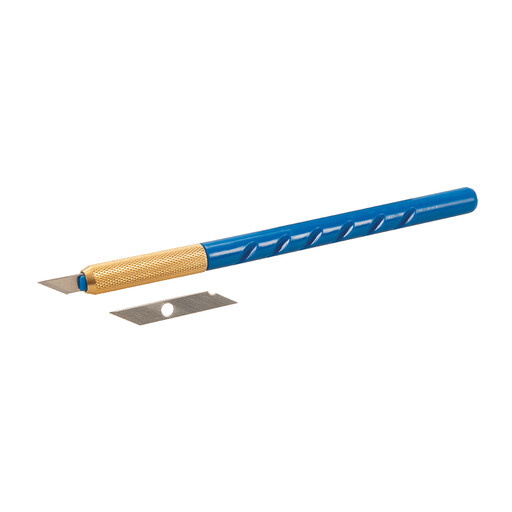
Why It Stands Out: This set is built for detailed work. The standout feature is the knurled brass collar, which provides excellent grip and control right where you need it, ensuring clean, accurate cuts. The inclusion of a sturdy case with a dedicated compartment for used blades also promotes safety and organisation in your workspace.
Pros:
Who is it for? This is an ideal choice for hobbyists, model makers and anyone involved in papercrafts or scrapbooking who requires a reliable precision knife.
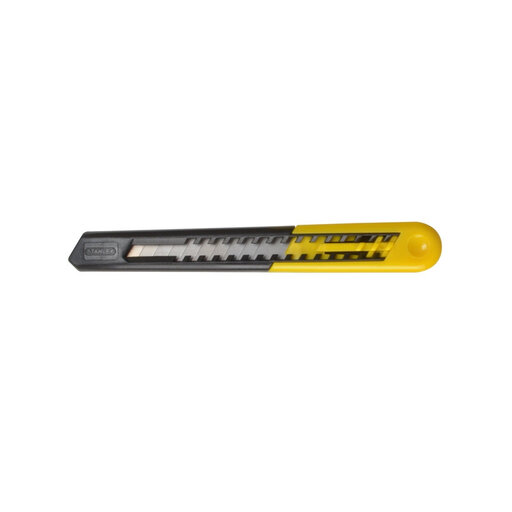
Why It Stands Out: This tool balances durability with convenience. The body is made from an impact-resistant ABS plastic, making it tough enough for the toolbox but light enough for all-day use. The multi-position slide button gives you precise control over blade length, and the integrated blade snapping slot in the removable rear cap is a thoughtful, practical touch.
Pros:
Who is it for? Perfect for DIY enthusiasts, warehouse workers needing a dependable box cutter and anyone who needs a versatile and convenient 9mm utility knife for general cutting tasks.
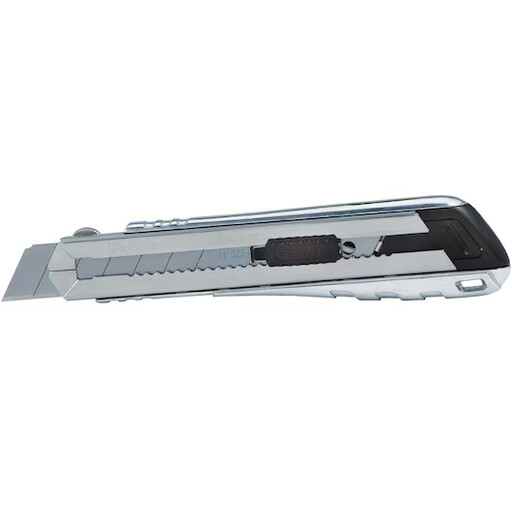
Why It Stands Out: This knife is engineered for demanding jobs. Its die-cast aluminium housing provides exceptional strength, while the extra-long body allows for a two-handed grip when you need to apply serious cutting force. The wide 25mm blade, secured by a robust locking knob, resists flexing and snapping under pressure.
Pros:
Who is it for? This heavy duty utility knife is aimed squarely at trade professionals in construction, roofing and flooring, or any user who regularly cuts tough, thick materials.
A utility knife is a versatile tool, but some jobs require a different approach. For cutting timber, metal or plastics with speed and power, a specialised saw may be more appropriate.
For tasks requiring more power or different cutting actions, you might need a specialised saw. Explore our wide selection of saw blades to find the right tool for your next project.
Q1: What is the difference between a utility knife and a craft knife? A utility knife is generally a more robust tool designed for a wide range of cutting tasks, from opening boxes to cutting carpet. A craft knife (also known as a hobby knife or precision knife) is smaller and designed for delicate, intricate work where accuracy is more important than cutting power.
Q2: How often should I change the blade on my utility knife? You should change the blade as soon as you feel it becoming dull. A dull blade requires more force to use, which increases the risk of it slipping and causing an injury. It also produces a rougher, less clean cut. One of the main advantages of a snap off knife is the ability to get a fresh, sharp edge in seconds.
Q3: Are utility knives safe to use? When used correctly, yes. Always choose a knife with safety features that suit your needs, such as a retractable blade or a secure locking mechanism. Cut away from your body, wear protective gloves when appropriate and ensure the blade is retracted or covered when not in use. Always dispose of used blades responsibly, using a dedicated sharps container or the disposal feature included with some kits.