Frequent face-cloth washers
If you wash reusable face cloths often, look for a temperature or programme permitted by their care labels and a manageable drum-cleaning routine. A programme called Hygiene is not automatically suitable for every fabric.


Choose a washing machine that fits the installed space and offers a wash temperature or programme compatible with your face cloths’ care labels. A reduced-depth freestanding washer is worth considering for a shallow utility room; a washer-dryer makes sense when drying in the same appliance matters, provided its separate drying capacity suits your batches. Steam and quick programmes do not replace checking fabric-care instructions.
If you wash reusable face cloths often, look for a temperature or programme permitted by their care labels and a manageable drum-cleaning routine. A programme called Hygiene is not automatically suitable for every fabric.
Cabinet dimensions alone may not tell you whether a machine will fit. Allow space around freestanding appliances for ventilation, pipes and plugs; check that the door can open too.
A washer-dryer offers a way to dry cloths without a separate dryer, but its drying capacity may be lower than its washing capacity. Compare both figures against the loads you intend to run.
Start with the usable space and the cloth care labels, then decide whether drying in the appliance is necessary. Treat capacity and convenient programmes as separate checks rather than assuming either settles the choice.
| Concern | What to check | Who this matters to |
|---|---|---|
| Fabric care and drum maintenance | Match the cloth label’s maximum temperature to the exact programme; check the machine’s cleaning instructions. | If I wash face cloths frequently, I want a suitable cycle without exceeding their care-label limit, as well as a drum I can maintain. Around 31% of consumers put fabric care and cleanliness first. |
| Installed fit | Measure usable width and depth around pipes and plugs, and allow for ventilation and the open door. | In a confined utility room, I need the machine to remain usable once connected, not merely fit the empty gap. Roughly 31% of consumers place installed fit first. |
| Drying and batch size | For a washer-dryer, compare wash and dry capacities separately and check the intended programme’s load limit. | Without a practical separate drying area, I need to know whether my washed batch can dry in the same appliance. Around 23% of consumers prioritise that drying need. |
| Everyday controls and product information | Check quick-cycle load limits and compare the energy label and product information sheet for the exact model. | For regular small loads, I want a straightforward cycle while still being able to compare the machine’s labelled information. Approximately 15% of consumers put ease of use and comparable information first. |
Pipes, plugs and an open door can make a machine awkward to use even when its cabinet fits the stated width and depth.
Measure the installed space and check the exact model’s clearance instructions. Allow around 25 mm at either side and roughly 50–150 mm behind a freestanding machine for pipes and plugs; the appliance instructions take priority.
A machine’s rated washing capacity does not mean every programme takes that load. A washer-dryer can also have a lower drying capacity than washing capacity.
Check programme-specific limits where stated, and compare the wash and dry ratings separately before planning a continuous wash-and-dry load.
Programme names describe different features, and their conditions vary by model. A short cycle alone does not establish a hygiene outcome.
Read the exact programme instructions, permitted load and cloth care labels before choosing a cycle for face cloths.
Frequent small or low-temperature washes still leave a machine needing routine maintenance. Miele’s washing-machine guidance links its cleaning advice to preventing unpleasant odours.
Follow the machine’s cleaning instructions, remove damp laundry after washing and let the door or detergent drawer dry where the manufacturer advises.
These brands offer examples of the formats and features worth comparing; check features and availability on the exact model rather than assuming they apply across a brand.
A reference point for freestanding washers and washer-dryers with differing capacities and named programmes.
Worth comparing where appliance depth is a significant utility-room constraint.
A reference for households comparing washing and in-appliance drying capacities.
A reference for shoppers who prefer a straightforward daily-cycle control.
These choices include freestanding washers for utility-room washing and one washer-dryer for households that also need in-appliance drying. Compare each model’s instructions with your cloth care labels and measured installation space.
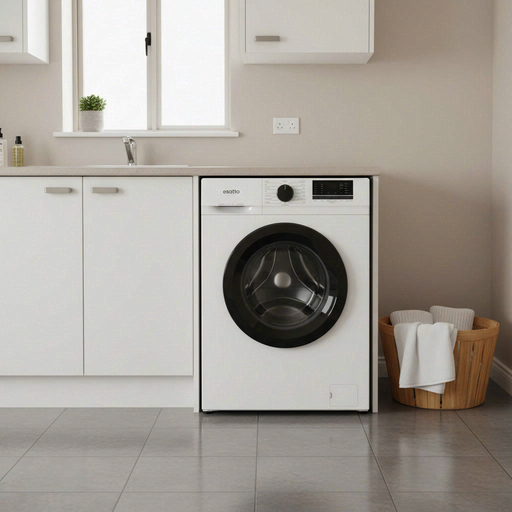 No image available
Consider this freestanding washer if you need a separate washing appliance for routine cloth loads. Its title states 8 kg capacity and 1400 rpm spin speed; check the programme temperatures against the cloth labels and allow for installation clearance.
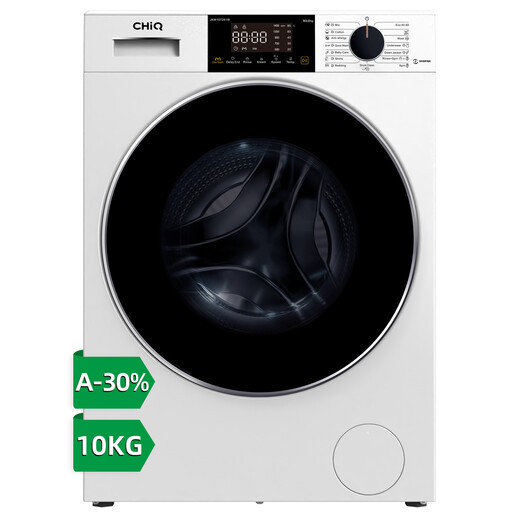 No image available
Consider the larger stated wash capacity if face cloths will be washed alongside other household laundry. The title specifies 10 kg capacity, 1400 rpm spin speed, an inverter and steam; check the steam programme’s instructions and the machine’s installed dimensions.
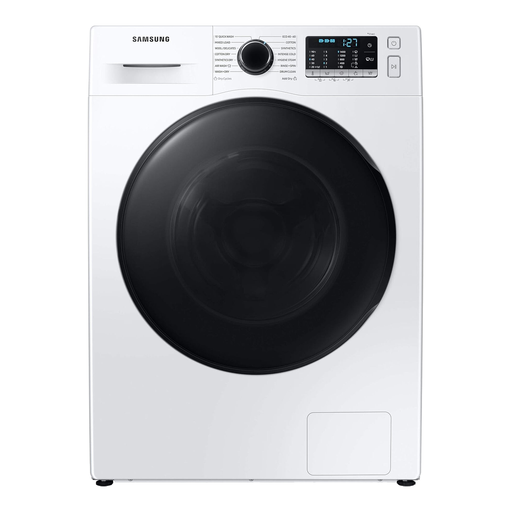 No image available
This washer-dryer suits a household that needs to dry cloths in the same appliance. Its stated capacities are 8 kg for washing and 5 kg for drying, so plan drying batches separately; check programme conditions and installed clearance.
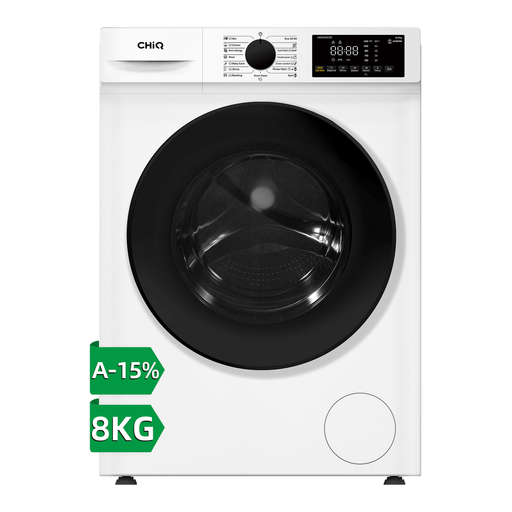 No image available
Consider this freestanding washer if you want to compare 8 kg machines for the utility room. The title states a 1400 rpm spin speed; check its installed depth and programme temperatures before deciding whether it suits the space and cloths.
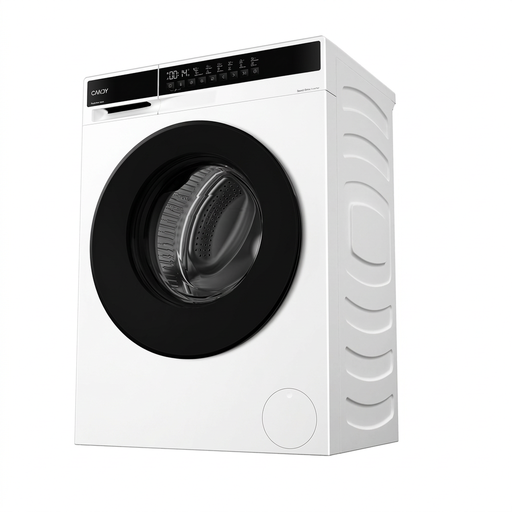 No image available
This freestanding washer is another 8 kg option to compare against the utility-room space. Its title states a 1400 rpm spin speed; confirm the exact programme list, cloth-compatible temperatures and installation clearance.
No single temperature suits every face cloth: follow its care label, where the wash-tub temperature indicates the maximum. Miele advises a wash of at least 60°C once a month as part of its washing-machine maintenance guidance, not as a rule for every face-cloth load.
Yes, if the programme instructions and cloth care labels suit the load. For example, LG specifies a maximum 2 kg load for Quick 30 on its F4A10S8NWK; a short cycle should not be treated as proof of a hygiene outcome.
Not necessarily: wash and dry capacities can differ. Samsung specifies 8 kg washing and 6 kg drying for its WD80HG4U04BEEU, so check both figures on the exact model before planning an uninterrupted batch.
Check the energy label and product information sheet for the exact machine, rather than relying on a short efficiency claim in its title. GOV.UK guidance says an energy label must be displayed at the point of sale, including online, for products within its scope.
Follow the exact appliance’s installation instructions. As a measuring starting point, allow around 25 mm on either side and roughly 50–150 mm behind for pipes and plugs; also make sure the door can open fully.