Households washing everyday cottons
If socks go in with other hard-wearing laundry, look for a suitable cottons programme and choose drum capacity around the loads you normally wash together.


Choose a washer whose exact model has a suitable cottons programme, fits with its connections and door open, and has energy-label figures that suit your laundry routine. A freestanding machine suits an open utility-room position; choose an integrated model when you have compatible cabinetry. Size the drum for your usual laundry load, not for socks alone.
If socks go in with other hard-wearing laundry, look for a suitable cottons programme and choose drum capacity around the loads you normally wash together.
Measure the usable space around pipework, plugs and the open door. The appliance dimensions alone will not tell you whether it can be installed and used comfortably.
If you wash frequently or the utility room is near living space, compare the exact models' energy, water, cycle-duration and spin-noise information rather than relying on the letter grade alone.
Choose when: The utility room has an open or under-worktop position with suitable connections.
Trade-off: The appliance remains visible, and its installed position still needs room for the open door and rear connections.
Choose when: You need the machine behind a furniture door and have cabinetry designed for that arrangement.
Trade-off: The built-in space and door fittings must suit the exact appliance, making repositioning less flexible.
| Concern | What to check | Who this matters to |
|---|---|---|
| Cottons programme and load size | Confirm the exact model's Cotton or Cottons settings and permitted load; size the drum for the laundry you normally wash with socks. | I want a programme suited to my recurring cotton-sock loads, without assuming a quick cycle handles everything. Around 40% of consumers put that cotton-washing need first. |
| Utility-room fit and installation | Check installed depth, rear connections, ventilation and door swing against the model's instructions; confirm suitable electrical, water and waste connections. | Where pipes project into a tight space, I need the machine to fit and the door to open fully. That is the primary concern for around 30% of consumers. |
| Energy, water and noise | Compare the exact models' energy per 100 washes, water use, Eco 40-60 duration and spin-noise figures, as well as capacity. | If laundry runs often or the utility room is near living space, I want to weigh running use and spin noise against cycle time. Around 30% of consumers prioritise those operating trade-offs. |
A washer can fit the stated width yet leave too little depth for hoses and plugs, or block the door-opening path.
Measure the usable space in front of existing connections, then check the exact model's dimensions and installation clearances. Allow around 25 mm at each side of a freestanding machine and roughly 50–150 mm behind for pipes and plugs; follow the chosen model's instructions.
A poor fit can mean repositioning the appliance or arranging changes to the plumbing.
Permitted loads and settings differ between programmes and models, so a quick wash may not suit the whole cotton-sock load.
Check the exact model's cottons and rapid-cycle instructions, including load limits, and follow the socks' care labels.
Energy Saving Trust notes that a washing-machine label also shows energy consumption per 100 washes, Eco 40-60 capacity and duration, water use and noise data.
Compare those fields for the models you are considering, particularly if wash frequency or spin noise will affect where and when you use the machine.
Washing-machine installation involves more than positioning the cabinet. Electrical Safety First warns about extension-lead use with large appliances, while the water connection must suit the installation.
Check the manufacturer's electrical and plumbing instructions and use an appropriate fixed socket. Ask a competent installer about connection work where needed.
Worth considering when comparing freestanding, built-in and compact formats. Bosch UK describes its Cotton/coloureds programme as intended for hard-wearing fabrics such as cotton.
A reference for comparing everyday-laundry programmes in an 8 kg freestanding format.
A reference for comparing cottons programmes and load-adaptive features in a freestanding washer.
A reference if quick-wash, connected-control or dosing features matter alongside ordinary cotton laundry.
These washing machines offer different drum sizes for utility-room laundry. For cotton socks, compare each exact model's programme list and installation instructions before deciding whether its capacity and format suit your usual loads.
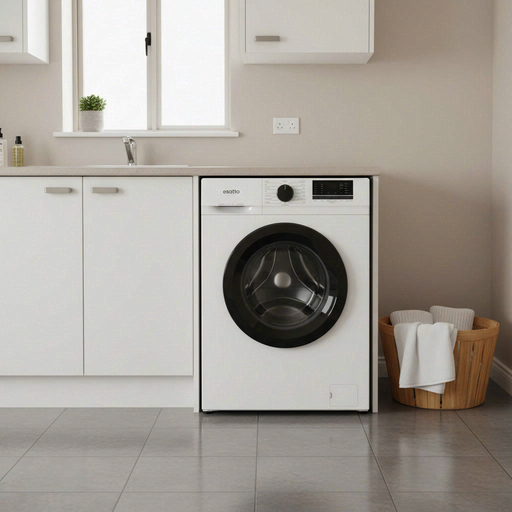 No image available
Consider its 8 kg drum if socks form part of a larger everyday laundry load; confirm the cottons settings for the exact model.
The product title states a 1400 rpm maximum spin and an A energy rating. Check installed clearances and the full energy-label figures before ordering.
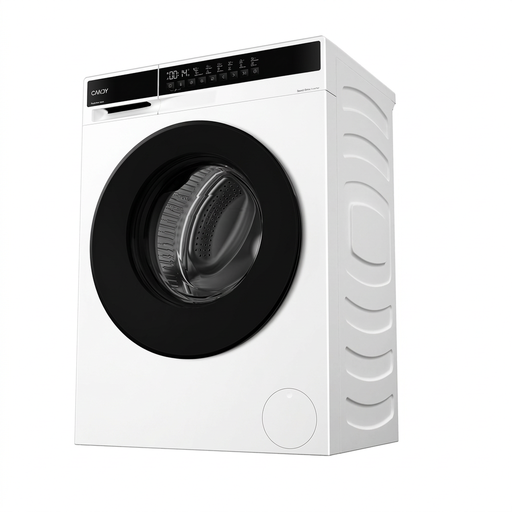 No image available
Its 8 kg capacity may suit socks washed with other household cottons; check the exact model's cotton-cycle settings and permitted load.
The product title states a 1400-spin maximum and an A energy rating. Confirm the programme list, energy-label figures and installation clearances for this variant.
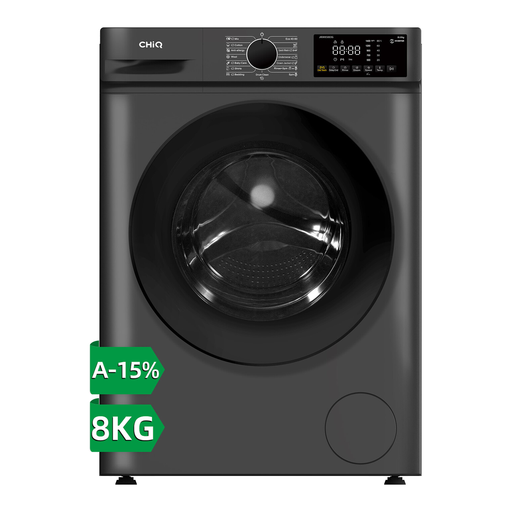 No image available
The freestanding format is worth checking for an open utility-room position, provided its installed dimensions fit. Confirm a suitable cottons programme for the socks you wash.
The product title states an 8 kg capacity, 1400-spin maximum and A energy rating; compare the exact model's full label and installation requirements.
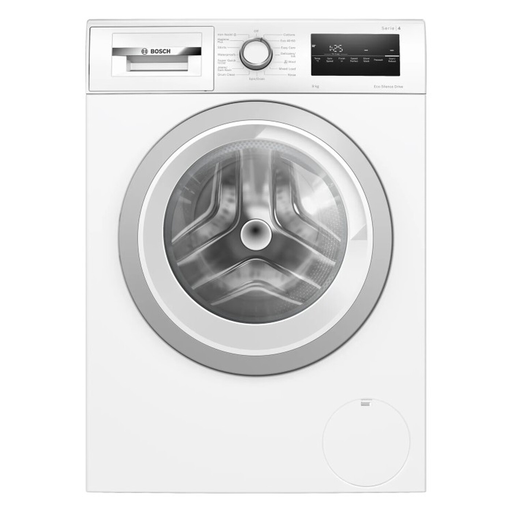 No image available
Consider the stated 9 kg capacity if socks are washed with a larger household load; confirm that this exact model has the cottons settings you need.
The product title states a 1400 rpm maximum spin and A energy rating. Check the model's full label and installed dimensions rather than sizing the machine for socks alone.
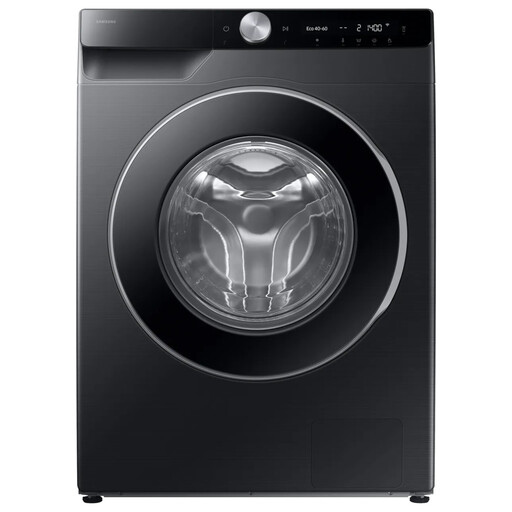 No image available
The stated 11 kg capacity is relevant if socks regularly share a larger laundry load; check the exact cottons programme and whether that drum size matches your routine.
The product title states a 1400 rpm maximum spin and A energy rating. Compare the full energy label and allow for connections and door opening when measuring the space.
Start with the socks' care label and look for the exact machine's Cotton or Cottons programme. Bosch describes its Cotton/coloureds programme as intended for hard-wearing cotton and linen, but settings and programme names vary by model.
Allow for the chosen washer's installation clearances, rear pipes and plug, and a fully opening door. For freestanding machines, allow around 25 mm at each side and roughly 50–150 mm behind; check the model's own instructions before ordering.
Compare the letter grade alongside energy per 100 washes, rated capacity, Eco 40-60 duration, water use and spinning noise. Energy Saving Trust identifies these as washing-machine label information; the figures do not describe every programme's use.
Check the exact model's installation instructions and the suitability of the fixed socket, water supply and waste connection. Electrical Safety First says washing machines must have a UK 3-pin plug and fuse; seek a competent installer's advice where connection work is needed.
Electrical Safety First advises avoiding overnight operation where possible. If it is necessary, its advice includes having working smoke alarms nearby; follow the appliance instructions and resolve any installation or electrical concerns before use.