
24/7 Customer Support

Free returns

Same-day & Next-day Delivery

Quality Guaranteed

Unlock Your Welcome Offers: FREE Delivery | Up to 80% OFF | Free 30-day JoyPlus trial
Download the APP
As sunny days become more frequent across the UK, a reliable UV protection umbrella is shifting from a holiday accessory to a daily essential. However, the market is filled with options that promise much but deliver little, leading to wasted money and inadequate protection. Many umbrellas fail to shield you from harmful rays, while others can't withstand a typical British gust of wind. This guide cuts through the clutter, highlighting the key features to look for and how to avoid common purchasing mistakes.
Before you buy, be aware of these common traps that catch out many shoppers:
To ensure you're getting a high-performance sun and rain umbrella, focus on these three non-negotiable specifications.
This is the single most important factor for a sun protection umbrella. The UPF rating indicates how much UV radiation (both UVA and UVB) a fabric allows to reach your skin.
The durability of an umbrella is determined by its skeleton. A well-built frame will resist inverting in the wind and last for many seasons.
For daily use, a lightweight umbrella that is easy to carry is crucial. Pay attention to the folded dimensions and the overall weight.
Here are some options that align with specific needs, demonstrating how the right features can solve common user problems.
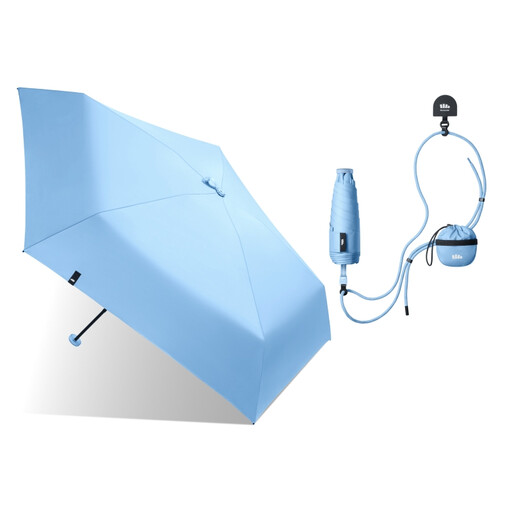
Why This Fits Their Persona: Ideal for the urban professional or student who prioritises minimalism and portability. Its ultra-lightweight and slim profile means it can be carried every day without adding bulk to a work bag or backpack.
It solves the portability vs. coverage dilemma by using advanced, lightweight materials. Despite weighing only ≈150g, it provides certified UPF 50+ protection and has a durable carbon-fibre aluminium alloy frame.
Ultra-light at ≈150g and ultra-slim with a ≈5cm profile. The carbon-fibre frame offers a great strength-to-weight ratio.
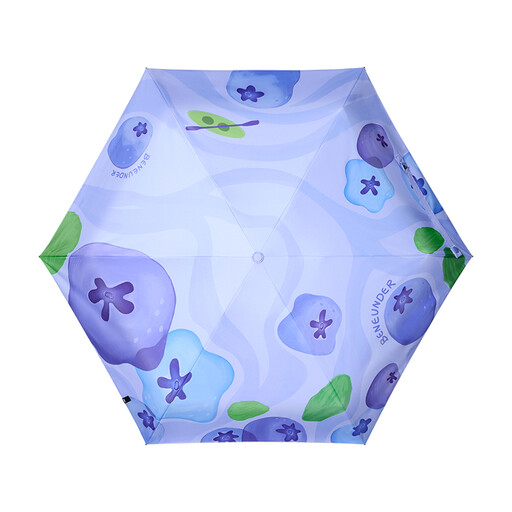
Why This Fits Their Persona: Perfect for those who want their accessories to be both functional and fashionable. The playful fruit design and versatile carry pouch make it a great companion for weekend outings, festivals or holidays.
This model proves that high performance doesn't mean boring. It avoids the flimsy frame trap with a premium fibreglass-aluminium alloy frame and 6 reinforced ribs, ensuring it is a reliable sun and rain umbrella.
Features a UPF 50+ black-coated canopy for excellent sun blocking and a water-repellent finish. The upgraded pouch allows for handheld or crossbody carrying.
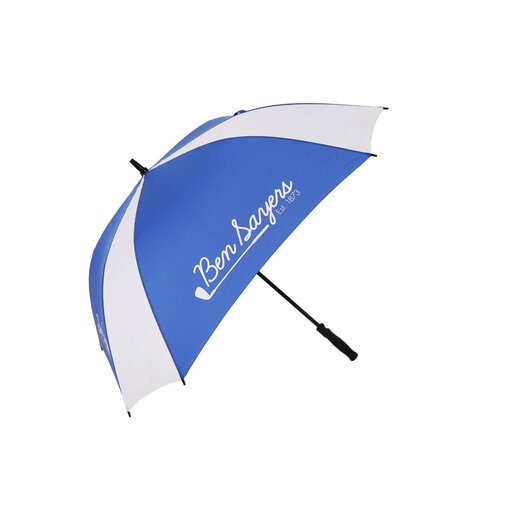
Why This Fits Their Persona: Designed for golfers or anyone needing maximum protection from the elements. Its huge canopy and robust build are perfect for long days on the course or spectating at outdoor events where shelter is paramount.
This umbrella directly counters the "flimsy frame" and "inadequate coverage" traps. Its 14mm black glass fibre frame is built for resilience and the massive 62-inch canopy offers full protection for you and your gear.
Features a very large 62" canopy for optimum protection and a durable, wind-resistant frame. It also includes an auto-open button for quick deployment.
We have compiled a complete, real-time list of products that fully satisfy these strict selection criteria and UK safety regulations.
1. How long does the UV protection on an umbrella last? The UPF rating of an umbrella is inherent to its fabric and coating. As long as the canopy is not torn, faded or damaged, the protection should last for the functional life of the umbrella. Storing it dry and in its protective sleeve will help maintain the fabric's integrity.
2. Can a UV protection umbrella also be used in the rain? Yes, most modern UV protection umbrellas are designed for dual use. They often feature a water-repellent coating on the outer canopy, allowing rain to bead off easily. This makes them a versatile, all-weather tool, perfect for the UK's unpredictable climate.
3. What is the difference between UPF and SPF? SPF (Sun Protection Factor) measures the effectiveness of sunscreens on the skin and primarily relates to UVB protection. UPF (Ultraviolet Protection Factor) measures the amount of UV radiation (both UVA and UVB) that a fabric blocks from passing through it. For clothing and accessories like umbrellas, UPF is the correct and more comprehensive measure of sun safety.