
24/7 Customer Support

Free returns

Same-day & Next-day Delivery

Quality Guaranteed

Unlock Your Welcome Offers: FREE Delivery | Up to 80% OFF | Free 30-day JoyPlus trial
Download the APP
Choosing sunglasses in the UK is not simply a matter of finding a frame that suits your face. A pair may look stylish online yet feel uncomfortable after an hour, slip during cycling or provide little practical benefit in changing light. The term UV400 sunglasses is useful, but it should not be the only specification you check.
This guide explains the key details behind UV protection, glare reduction, portability and sports performance. It also highlights common buying traps and matches several options to different lifestyles.
UV400 generally refers to lenses designed to filter ultraviolet wavelengths up to 400 nanometres. However, it does not automatically tell you whether the lenses are polarised, impact-resistant, scratch-resistant or suitable for a particular activity.
For everyday wear, look beyond the label for details such as lens material, coatings, fit and any stated compliance information. Sunglasses sold for use in the UK should include appropriate product and safety information. If a listing makes vague claims without clear specifications, consider it a reason to compare alternatives.
A darker tint can make bright conditions feel more comfortable, but tint alone does not necessarily reduce reflected glare from wet roads, glass or water. Anti-glare sunglasses may use an anti-reflective coating, while polarised lenses filter certain reflected light.
These technologies serve different purposes. Anti-reflective coatings can reduce reflections from the lens surface, whereas polarisation is particularly relevant to driving, cycling, fishing and seaside travel. Neither replaces UV protection.
Foldable sunglasses are convenient for a handbag, coat pocket or travel case, but frequent folding can put pressure on hinges if the design is handled roughly. Check how the frame folds, whether the manufacturer provides care instructions and whether the dimensions suit your face.
A lightweight frame is also not automatically a comfortable one. Nose pads, temple length, frame width and lens coverage affect how the glasses sit during a long commute or outdoor walk.
Look for a clearly stated UV400 protective coating or equivalent UV filtering specification. Some product listings provide a stated percentage of UV blocked, but these are product claims and should be read alongside the full technical description rather than treated as a guarantee of every user’s experience.
For sports sunglasses, also check whether impact resistance is specified and whether the product carries relevant conformity markings or documentation. Impact-resistant lenses are not unbreakable and should not be used as a substitute for certified protective eyewear during grinding, machining or similar work.
TR90 sunglasses use a thermoplastic frame material commonly selected for flexibility and low weight. Product weight varies, but the options below range from approximately 25.5g to 30g. For daily use, compare frame width and temple length with a pair you already find comfortable.
Nylon and polycarbonate lenses can both be lightweight. Polycarbonate is frequently specified for impact resistance, while nylon lenses may be selected for optical clarity and low weight. The correct choice depends on whether your priority is commuting, travel, sport or general outdoor wear.
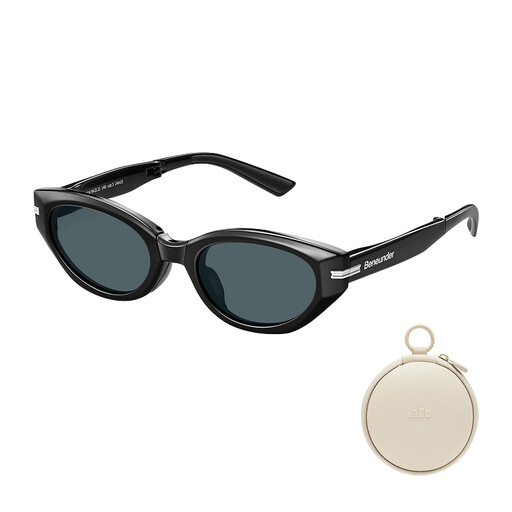
Why This Fits Their Persona: A practical option for shoppers wanting one pair for commuting, daily wear and short UK trips, with a compact foldable frame.
The listing specifies UV400 protection, OAR anti-reflective coating, air-cushion nose pads and soft temple pads rather than relying on tint alone.
TR90 frame, five-point elastic hinges and a listed frame width of 5.8 inches.
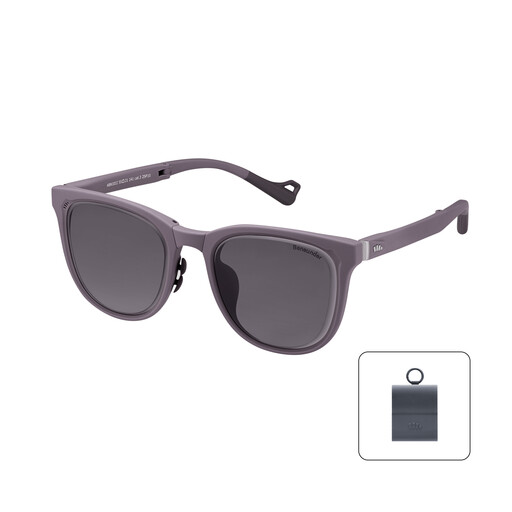
Why This Fits Their Persona: Suits buyers who want a classic everyday shape with adjustable features for work, city travel and regular outdoor use.
Its specification lists UV400, anti-reflective, oleophobic and scratch-resistant coatings, plus a foldable structure and adjustable temples.
TR90 frame, true-colour nylon lenses and dual-axis butterfly nose pads.

Why This Fits Their Persona: Designed for cyclists and active users moving between open roads, shaded routes and variable British weather.
The product specifies both polarised and photochromic lenses, while warning that photochromic tint may be limited inside vehicles.
TR90 frame, impact-resistant polycarbonate lenses, adjustable nose pads and a stated weight of 26–29g.
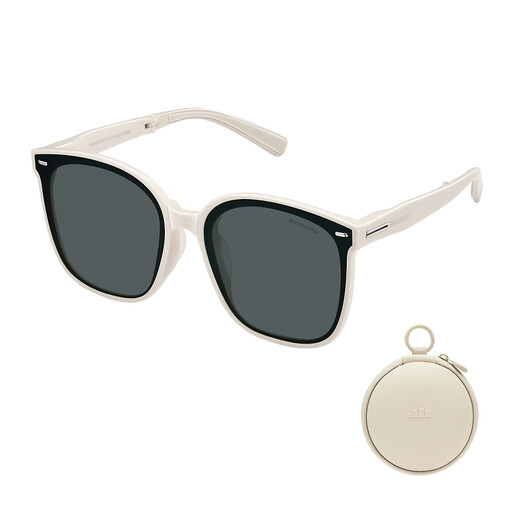
Why This Fits Their Persona: A compact option for holidays, handbags, glove compartments and daily travel when storage space matters.
The tri-fold design is specified to fold to approximately 35mm thick, while the listing also details UV400 and anti-reflective lens features.
TR90 frame, 26g stated weight and 5.71-inch frame width.
We have compiled a complete, real-time list of products that fully satisfy these strict selection criteria and UK safety regulations.
They can be suitable for daytime driving if they provide clear vision and an appropriate tint. Polarised lenses may reduce reflected road glare, but some drivers notice effects on digital displays. Photochromic lenses may remain relatively light inside a car because the windscreen filters UV exposure. Always check visibility in the vehicle before relying on a new pair.
There is no universal lifespan. Coatings, hinges and lenses can deteriorate through scratching, heat, bending and poor storage. Replace sunglasses when lenses are damaged, vision is distorted or the frame no longer fits securely. A protective case and gentle cleaning can help preserve them during regular UK use.
Polarisation and UV protection are separate features. Some polarised sunglasses include UV400 protection, but you should confirm both specifications in the product listing. A polarised lens should not be assumed to filter ultraviolet light unless the product information states it.