
24/7 Customer Support

Free returns

Same-day & Next-day Delivery

Quality Guaranteed

Unlock Your Welcome Offers: FREE Delivery | Up to 80% OFF | Free 30-day JoyPlus trial
Download the APP
Choosing between vacuum cleaners can be difficult when product pages focus on large suction figures, long battery runtimes and impressive-sounding technology. A cordless vacuum cleaner may look convenient but run for only a short time at its highest setting. An upright vacuum cleaner may clean large carpeted areas efficiently but feel cumbersome on stairs. Meanwhile, a wet and dry vacuum cleaner is useful in a garage but unsuitable for ordinary household floors if its design is too bulky.
The right choice depends on your floors, cleaning routine, storage space and maintenance expectations. Use this guide to compare the details that affect everyday ownership rather than relying on headline claims.
Numbers such as Pa, kPa or air watts describe aspects of airflow or suction, but they do not show how well a machine performs on every surface. Floorhead design, brush-roll contact, filtration and air-path construction also affect cleaning.
A cordless stick vacuum cleaner with a high stated kPa figure may still have a short high-power runtime. Check the runtime for each mode, not only the maximum figure.
A vacuum cleaner for carpets and hard floors should have a suitable floorhead or adjustable setting. Some motorised brushes are designed mainly for carpets and may scatter larger particles on hard floors. Others are intended for hard floors and low-pile carpets, rather than thick or high-pile carpet.
Look for clear information about the supported floor types and whether the brush roll can be switched off.
Filters, brush bars, hoses and dust containers need regular care. A washable filter must be dried fully before refitting, while pet owners should check how easily hair can be removed from the brush roll. Small dust cups can also mean frequent interruptions during whole-home cleaning.
A product with more accessories is not automatically more practical if storage is limited or the attachments are difficult to change.
A corded upright vacuum cleaner is suited to longer cleaning sessions because it does not depend on battery capacity. For example, the Vax Air Stretch U85-AS-Be has a 13m power cord, a 3.6m stretch hose and a stated 17m cleaning reach, which can reduce socket changes in a larger home.
A cordless vacuum cleaner is easier to move between rooms, cars and stairs. Compare:
A larger dust container reduces emptying during cleaning, but can add bulk. Lightweight vacuum cleaner designs are useful for stairs, flats and quick daily cleaning, while larger capacities may suit families and pet owners.
As a practical comparison, the Vax model has a 1.5-litre dust container and weighs 4.9kg. The Oxerbog handheld model weighs approximately 337g, but its stated working time is only 12–13 minutes, making it more appropriate for cars, spills and small areas than full-home cleaning.
If you are looking for a HEPA filter vacuum cleaner, check whether the listing specifically identifies the filter type and whether it is washable or replaceable. Filtration performance also depends on correct installation and an unobstructed air path.
For hard floors and carpets, check for a multi-surface floorhead, adjustable suction and suitable brush-roll operation. Do not use a standard dry vacuum to collect liquids. Only a model specifically designed as a wet and dry vacuum cleaner should be used for wet debris, and even then, follow the manufacturer’s instructions.
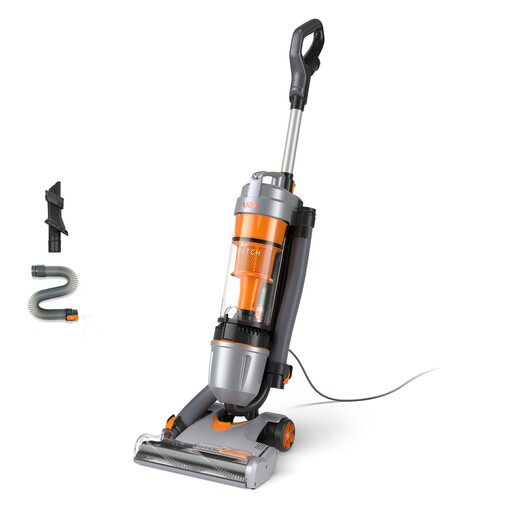
Why This Fits Their Persona: A corded upright design offers continuous operation for flats, family homes and shoppers who prefer not to manage battery charging.
Its stated 17m reach and stretch hose address the inconvenience of repeatedly changing sockets or carrying the main unit upstairs.
1.5L dust container, washable filters, 3-in-1 tool and stated suitability for carpets, hard floors, stairs and upholstery.
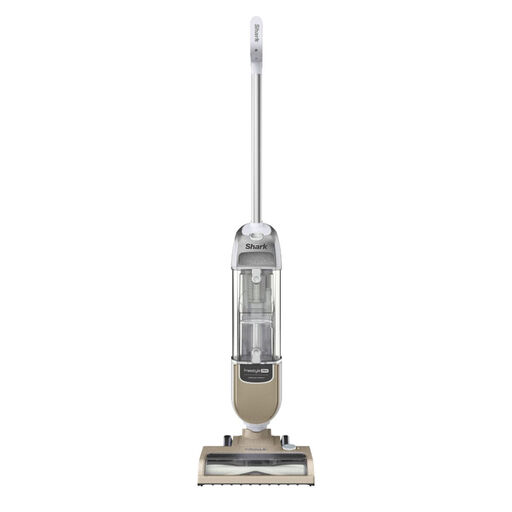
Why This Fits Their Persona: This suits households wanting cordless upright operation, two cleaning speeds and docked storage between sessions.
The listing specifies two speed options and a removable dust cup, so buyers can assess control and emptying rather than relying only on promotional suction language.
Cordless format, swivel movement, removable dust cup and charging station; the listed guarantee requires registration and has separate battery terms.
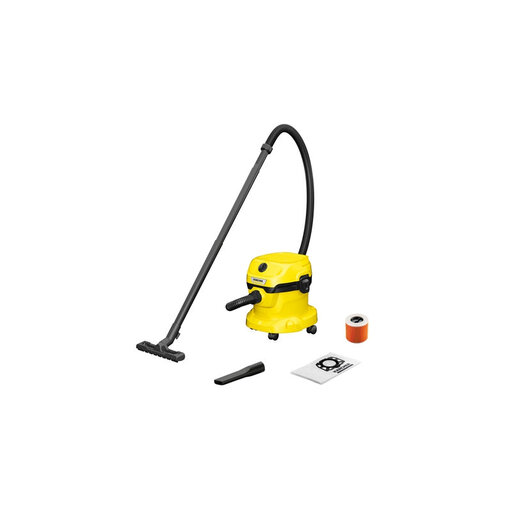
Why This Fits Their Persona: A practical option for garages, cars, gardens and renovation-related debris where wet and dry collection is specifically required.
Its stated wet-and-dry function removes the risk of using an ordinary dry vacuum for liquids, provided the manual’s operating instructions are followed.
12L capacity, 1.8m hose, 4m cable and onboard accessory storage for garage and vehicle cleaning.
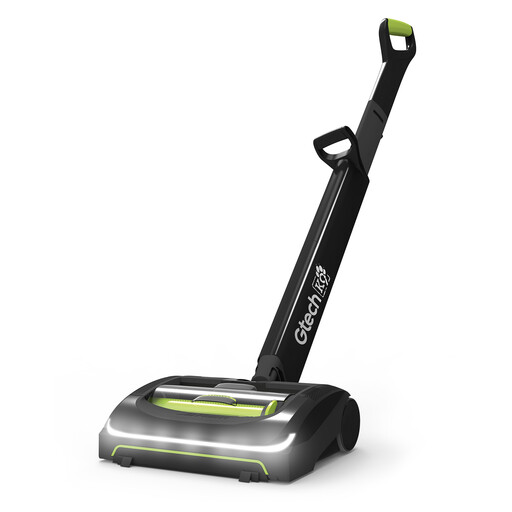
Why This Fits Their Persona: The cordless upright format and pet-focused brush bar are aimed at homes managing regular hair on carpets and upholstery.
The product information identifies a motorised brush bar for pet hair and gives a stated runtime of up to 30 minutes, making the intended use clearer.
3.5kg listed weight, removable dustbin, washable filter and AirLOC dual-action system described for forward and backward cleaning movement.
We have compiled a complete, real-time list of products that fully satisfy these strict selection criteria and UK safety regulations.
Electricity use is usually modest, but battery replacement can affect long-term cost. Compare charging time, expected runtime, battery availability and guarantee terms. A corded model may be more suitable for frequent, extended cleaning.
Lifespan depends on build quality, frequency of use, floor type and maintenance. Keeping filters clear, avoiding blockages and replacing worn parts can help preserve performance. Check the manufacturer’s guarantee and the availability of replacement filters, brush rolls and batteries before buying.
You can use one for suitable dry debris, but wet-and-dry models are often larger and noisier than household stick or upright designs. Choose one when you genuinely need liquid collection, garage cleaning or heavier debris handling; otherwise, a conventional household vacuum may be easier to store and manoeuvre.