
24/7 Customer Support

Free returns

Same-day & Next-day Delivery

Quality Guaranteed

Unlock Your Welcome Offers: FREE Delivery | Up to 80% OFF | Free 30-day JoyPlus trial
Download the APP
Choosing between vacuum cleaners is not simply a matter of picking the highest wattage or the longest advertised battery runtime. A compact flat, carpeted family home, pet-friendly household and car interior each require different features.
Marketing claims can also make comparison difficult. A cordless vacuum cleaner may quote its longest runtime in the lowest setting, while a powerful suction vacuum may use a pressure figure that does not fully describe performance on your particular flooring. The practical choice is the model that suits your rooms, cleaning routine and maintenance capacity.
Motor wattage indicates electrical power consumption, but it does not provide a complete picture of suction at the floor head. Brush design, airflow, filtration and the seal around the cleaning head also matter.
For example, an 800W bagless vacuum cleaner with a 1.1-litre dust container may be convenient for larger cleaning sessions, while a lower-wattage cordless model may be easier to use for quick daily cleaning. Compare the full specification rather than relying on one number.
A cordless stick vacuum cleaner may advertise up to 55 or 60 minutes of operation, but maximum-power modes normally reduce runtime considerably. Check whether the quoted figure applies to the lowest setting and whether the battery is removable.
Also consider charging time. A vacuum that takes several hours to recharge may be less suitable for a large home if its high-suction mode lasts only a short period.
Fine dust, hair and fibres can block filters and reduce airflow. Washable filters can reduce the need for frequent replacements, but they must be cleaned and dried fully before refitting. Pet owners should also check for an anti-tangle brush or a pet hair attachment.
Never assume that every vacuum cleaner can collect liquids. Standard dry-use models must not be used on water or wet spills. A wet and dry vacuum cleaner is designed for a different purpose and should be maintained according to its instructions.
Look for clear information about the surfaces the vacuum is intended to clean, such as carpets, hard floors, tiles and upholstery. A powerful suction vacuum can still be awkward on delicate rugs if it lacks a suitable floor setting.
For homes with cats or dogs, an anti-tangle roller and dedicated pet hair tool can make furniture and carpet cleaning more manageable. LED headlights may also help reveal dust beneath furniture and along skirting boards.
For cordless models, compare:
A lightweight vacuum cleaner is useful for stairs and quick clean-ups, but a compact dust cup may require more frequent emptying. For corded models, check cable length, hose reach and storage requirements. An upright vacuum cleaner with a long reach can cover several rooms without repeated socket changes.
A washable filter may help control ongoing maintenance costs, provided it is cleaned correctly. A HEPA filter vacuum can be worth considering when fine dust filtration is important, but check the product specification to confirm the filtration type rather than relying on general wording.
Dust capacity is another practical measurement. A handheld vacuum cleaner with a 50ml cup is designed for crumbs, keyboards and car interiors, not whole-home cleaning. Larger upright and cordless models generally reduce emptying interruptions.
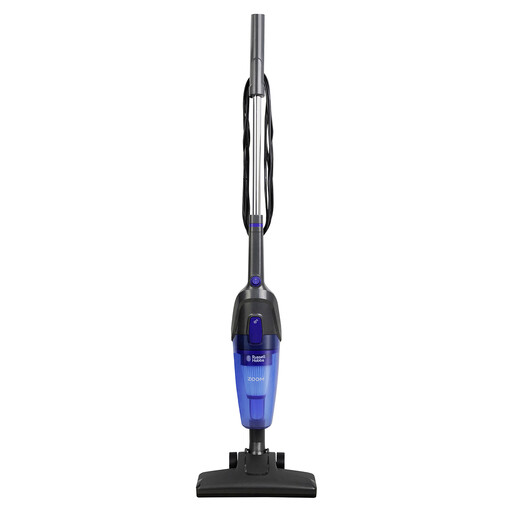
Why This Fits Their Persona: A practical corded option for students, renters and smaller UK homes needing one cleaner for floors, stairs, furniture and occasional car cleaning.
Its 5m power cord avoids battery-runtime uncertainty, while the washable sponge filter supports routine maintenance.
600W motor, 0.5L bagless dust capacity, approximately 1.8kg weight and detachable handheld configuration.
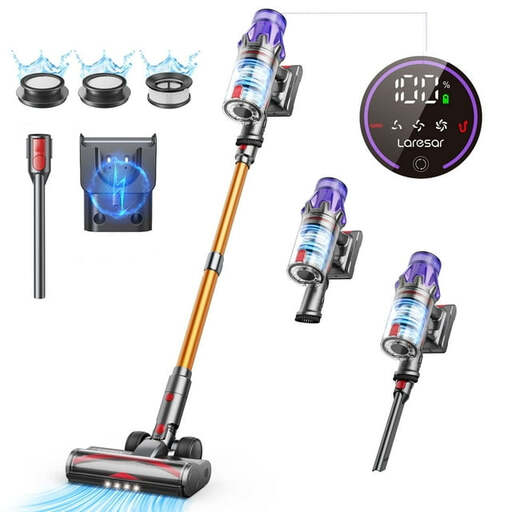
Why This Fits Their Persona: Suits busy professionals and households wanting cordless convenience, multiple power settings and a larger dust cup for regular floor cleaning.
The listing separates energy-saving and maximum-mode runtimes, making the battery trade-off clearer than a single headline figure.
Up to 60 minutes listed runtime, 1.5L dust cup, three speed settings and seven-stage filtration.
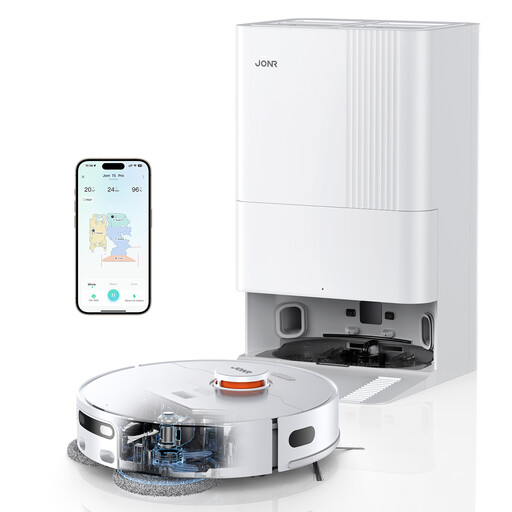
Why This Fits Their Persona: Designed for households that want scheduled floor cleaning with minimal daily intervention across hard floors and carpeted areas.
Its specification identifies LiDAR navigation, obstacle avoidance, carpet detection and no-go zones instead of presenting automation as a vague feature.
8150Pa maximum suction, app scheduling, automatic dust emptying, mop cleaning and hot-air drying at the base station.
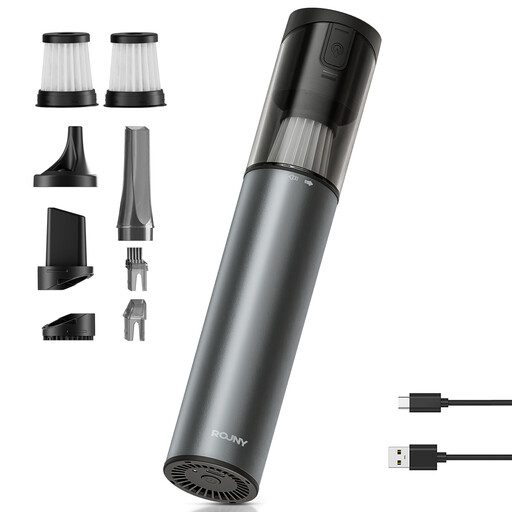
Why This Fits Their Persona: A compact choice for car owners, desk users, students and anyone cleaning crumbs, keyboards or narrow gaps rather than entire floors.
Its stated 25-minute low-speed and 12-minute high-speed runtimes set realistic expectations for a mini handheld device.
Approximately 0.3kg, Type-C charging, two speed modes, washable HEPA filter and suction/blower functions.
We have compiled a complete, real-time list of products that fully satisfy these strict selection criteria and UK safety regulations.
Use the correct attachment for each surface and empty the dust container before it reaches its maximum mark. Inspect the floor head regularly for hair, threads and blockages. Wash filters only as directed, then allow them to dry completely before reassembly.
For corded models, unplug before maintenance. For cordless models, switch off and remove the battery where the design permits. Store charging equipment away from moisture and follow the manufacturer’s instructions for battery care.
A cordless vacuum cleaner does not use mains electricity while cleaning, but it requires regular charging and may eventually need a replacement battery. Running cost depends on electricity use, charging frequency, battery lifespan and replacement parts. Compare the included battery warranty and availability of spares before buying.
Lifespan varies with construction, frequency of use, filter care and whether the vacuum is used within its intended limits. Regularly clearing blockages, cleaning filters and checking brush rolls can help maintain performance. A product with accessible filters, a removable battery or available replacement tools may be easier to maintain over time.
Usually, a handheld vacuum cleaner is a supplementary appliance for crumbs, stairs, upholstery, cars and tight spaces. Its smaller dust cup, shorter runtime and compact floor head generally make it less suitable for cleaning an entire home. A stick or upright vacuum cleaner is more appropriate for routine carpet and hard-floor coverage.