
24/7 Customer Support

Free returns

Same-day & Next-day Delivery

Quality Guaranteed

Unlock Your Welcome Offers: FREE Delivery | Up to 80% OFF | Free 30-day JoyPlus trial
Download the APP
Choosing between vacuum cleaners and mops is not simply a question of buying the model with the largest suction figure or the most app features. UK homes often combine carpets, hard flooring, rugs, narrow hallways and pet hair, so the right choice depends on how you clean and how much maintenance you are prepared to handle.
The main categories include a cordless vacuum cleaner, a vacuum and mop cleaner, a traditional flat mop and bucket set, and an automated robot vacuum and mop. Each solves a different household problem.
Manufacturers may quote suction in air watts (AW), Pa or airflow measurements. These figures are not directly interchangeable. A cordless stick vacuum listed at 100AW and a robot vacuum cleaner listed at 10,000Pa use different measurement conventions and cleaning designs.
Treat the figure as one part of the specification. Also check the brush design, floor compatibility, filtration, dust-bin size and whether the quoted runtime applies to the lowest power mode.
A vacuum and mop cleaner is generally designed for controlled floor washing, not for collecting large amounts of standing water. Some cordless models can vacuum and mop hard floors in one pass, but their safety instructions may still state that the vacuum should not be used to collect liquids.
Check whether the mop head is suitable for sealed hard floors, and avoid using it on moisture-sensitive surfaces such as some untreated wood or laminate flooring.
A self-emptying robot vacuum can reduce daily involvement, but it still needs its brushes, filters, sensors, mop pads and water tanks maintained. Similarly, a wet and dry vacuum cleaner needs its dirty-water tank emptied and its roller dried after use.
Before buying, check the cost and availability of replacement filters, mop pads, brush rollers, dust bags or cleaning solution. A lower purchase price can become less attractive if consumables are difficult to source.
For homes with mostly hard floors, a hard floor cleaner or vacuum-and-mop system can save time by collecting dry debris and washing marks in one routine. A flat mop and bucket set remains practical for targeted cleaning, stairs and areas where an electrical appliance is inconvenient.
If your home has carpets, choose a model with a dedicated carpet mode or a mop-lifting function. Robot systems such as the Dreame L10s Ultra Gen 2 and ECOVACS DEEBOT X8 PRO OMNI are listed with carpet detection and mop lifting, helping separate wet cleaning from carpet vacuuming.
Cordless stick vacuum runtime is usually quoted under a specific mode, often ECO mode. For example, the Hoover HF4 Hydro lists up to 60 minutes in handheld ECO mode, while actual runtime can be shorter at higher power.
Also consider capacity. The Hoover’s 0.7-litre dust bin may suit regular whole-home cleaning, but households with several pets may prefer less frequent emptying. Robot models trade a smaller onboard bin for a docking station that can automatically empty dust and manage water.
For a smart robot vacuum, navigation is as important as suction. LiDAR mapping, obstacle recognition, carpet detection and threshold clearance can affect whether the robot reaches all rooms reliably.
Docking systems vary considerably. Some wash and dry mop pads; others also empty dust, refill clean water and add cleaning solution. These features reduce routine work but require sufficient floor space near a socket and accessible water tanks or containers.
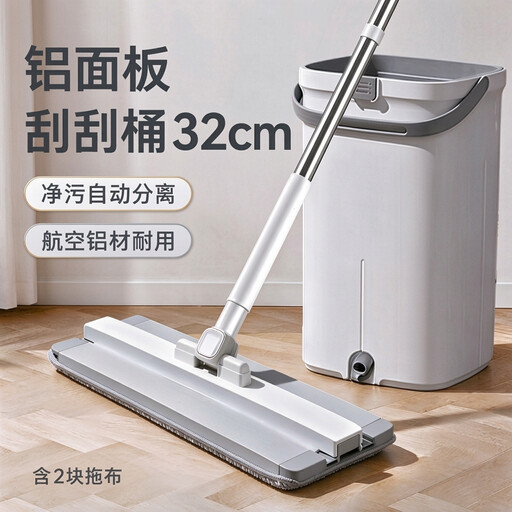
Why This Fits Their Persona: A straightforward option for flats, rented homes and shoppers who want a floor-cleaning routine without charging, apps or replacement batteries.
Its two-compartment bucket separates clean and dirty water, while the wringer and built-in scrapers reduce direct hand contact with the mop head.
Flat 32cm microfibre head; reaches below sofas and beds; supports wet and dry wiping.
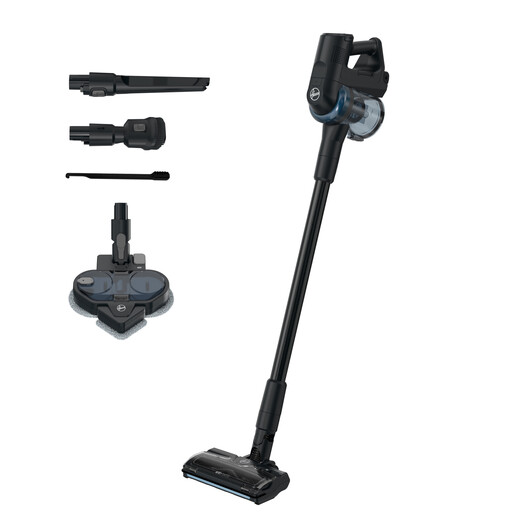
Why This Fits Their Persona: Suitable for busy households wanting one portable appliance for quick cleaning across hard floors, carpets, furniture and tight spaces.
The stated 60-minute runtime is identified as handheld ECO mode, making the specification clearer than treating it as a maximum-power figure.
Up to 100AW suction; Hydro Mop Head; anti-twist brush bar; 360-degree nozzle; LED cleaning lights.
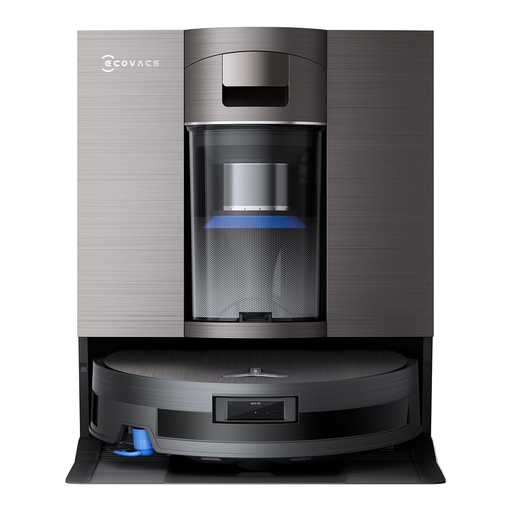
Why This Fits Their Persona: Designed for shoppers prioritising automated whole-home cleaning, app and voice control and advanced docking functions.
Its specifications identify carpet lift, LiDAR navigation, obstacle recognition and station functions separately, rather than presenting automation as one vague feature.
19,500Pa stated suction; OZMO Roller 2.0; bagless station; automatic washing, drying, emptying and refilling.
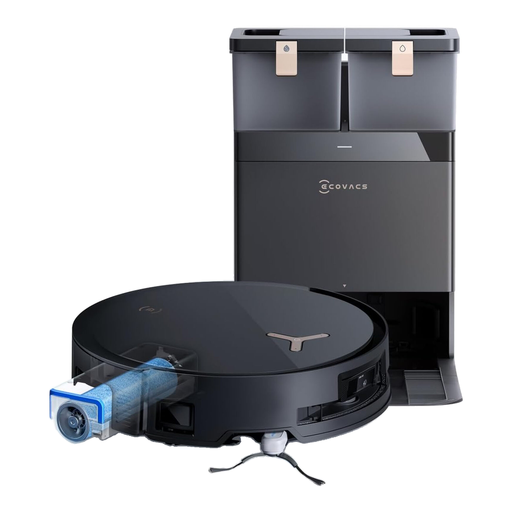
Why This Fits Their Persona: A practical match for larger homes and pet-owning households that need automated removal of hair, crumbs and floor marks.
Carpet detection, up to 10mm mop lift and ZeroTangle 2.0 address common concerns about wet carpets and hair wrapping.
18,000Pa stated suction; continuous roller washing; 12-in-1 OMNI Station; 63°C hot-air drying; automatic carpet suction boost.
We have compiled a complete, real-time list of products that fully satisfy these strict selection criteria and UK safety regulations.
Usually, the mopping function is intended for hard floors, while carpet cleaning uses the vacuum mode. Check for carpet detection or mop lifting on robot vacuum and mop models. Do not apply water to carpets unless the product is specifically designed for carpet washing.
Runtime depends on the selected power setting, floor head and accessories. A quoted maximum generally applies to a lower-power mode, so compare the manufacturer’s stated runtime conditions with the size of your home and your preferred cleaning setting.
Running costs include electricity, replacement filters, brushes, mop pads, dust bags and cleaning solution where applicable. A self-emptying robot vacuum can reduce daily effort, but its dock and consumables may cost more to maintain than a basic cordless stick vacuum or flat mop and bucket set.