
24/7 Customer Support

Free returns

Same-day & Next-day Delivery

Quality Guaranteed

Unlock Your Welcome Offers: FREE Delivery | Up to 80% OFF | Free 30-day JoyPlus trial
Download the APP
Choosing between vacuum cleaners is not simply a matter of picking the highest suction figure. A compact flat, a carpeted family home and a property with several pets have very different cleaning requirements. The right choice depends on floor type, storage space, maintenance habits, filtration and how much hands-on cleaning you want to do.
A number such as 6,000Pa or 17.5kPa describes suction pressure under stated conditions, but it does not tell you everything about real-world pick-up. Floorhead design, airflow, brush-bar agitation, filter condition and seal quality also affect results. A powerful suction vacuum may still be awkward on delicate rugs or ineffective if the brush becomes clogged.
Pet hair can wrap around brush bars, block air channels and fill a small dustbin quickly. Look for a dedicated pet hair tool, motorised mini turbo brush or anti-tangle design. Also check whether the attachment is intended for carpets, upholstery or both.
A low purchase price can become less attractive if the model needs frequent replacement filters, proprietary vacuum cleaner bags or difficult-to-source accessories. Bagless machines avoid bag purchases, but their bins and filters need regular emptying and cleaning. Bagged cylinder vacuum cleaners can offer hygienic disposal, although you must confirm ongoing bag availability and model compatibility.
For a mixed UK home, check whether the cleaner is specified for carpet and hard floor vacuum use. Hard floors usually benefit from a head that does not scatter debris, while carpets may require stronger agitation from a rotating brush or turbo tool.
Robot models often work most predictably on hard floors and low-pile carpets. The Lefant M310 Ultra, for example, is described for hard floors and low-pile carpets, with ultrasonic carpet detection that adjusts suction and avoids mopping on carpets. This is useful where kitchens, hallways and living areas have different surfaces.
A HEPA filter vacuum can be a practical choice for households concerned about fine dust, pollen or pet dander, but the filter must be correctly fitted and maintained. Look for clear information about filter type, whether it is washable and how often it should be replaced. No vacuum removes every airborne particle, so ventilation and regular cleaning remain important.
Bagged models contain collected debris inside a sealed bag during disposal. Bagless models provide a visible dust level and do not require bags, but emptying the bin can release dust if done indoors. Consider which system fits your routine.
Capacity should match the size of your home and cleaning frequency. A 2-litre bagless vacuum cleaner may reduce emptying during a larger session, while a 3.5-litre bagged cylinder model can suit regular whole-home cleaning. Cord length and working radius are also important: a longer cable can reduce socket changes, whereas a cordless vacuum cleaner offers easier movement but requires charging and battery management.
For robot vacuum cleaners, measure low furniture and allow sufficient space around the charging station. A slim design may reach beneath cabinets, but obstacle avoidance does not remove the need to clear cables, clothing and small objects from the floor.
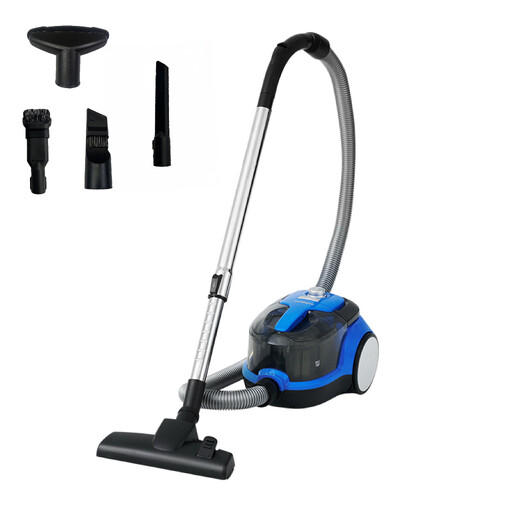
Why This Fits Their Persona: A practical corded option for students, first homes and smaller households that want one machine for hard floors, carpets and upholstery without battery charging.
Its 1.1-litre dustbin avoids replacement bags, while the washable removable filter helps control recurring consumable costs.
800W motor, stated 17.5kPa suction, automatic cord rewind and multiple brush heads.
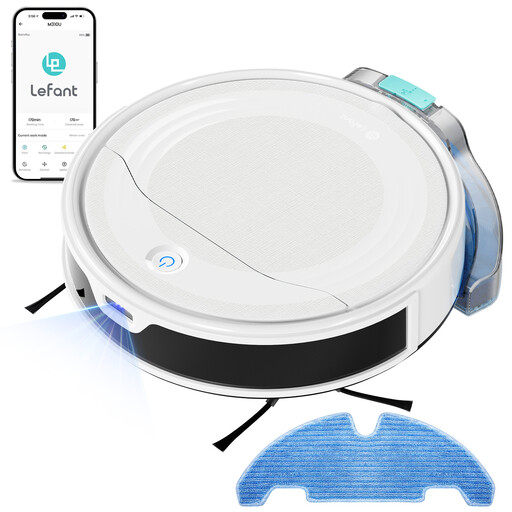
Why This Fits Their Persona: Suitable for smart-home users who want scheduled floor cleaning and app or voice control in a compact format.
ToF laser navigation and obstacle avoidance provide more defined route planning than basic random-navigation designs; floors still need preparation.
Stated 6000Pa suction, 800ml dustbin, 4000mAh battery and 2.4GHz Wi-Fi compatibility.
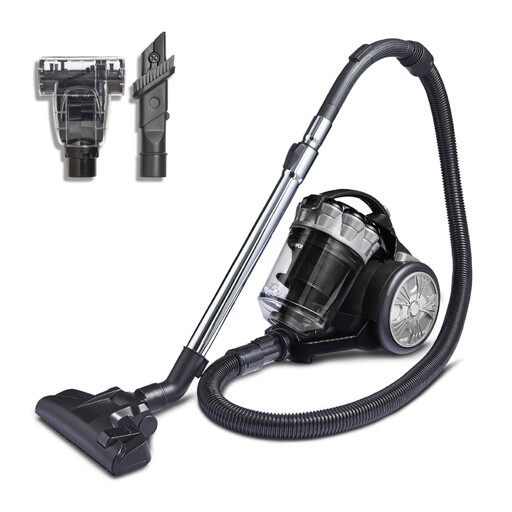
Why This Fits Their Persona: Designed for households that need regular cleaning across carpets, hard floors, stairs and upholstery, particularly where pet hair is a frequent nuisance.
The dedicated pet tool addresses upholstery and carpet hair more directly than a standard floor nozzle, while multi-cyclonic filtration helps reduce clogging.
2-litre bin, HEPA filter, 5-metre cable, telescopic metal tube and included crevice and brush nozzle.
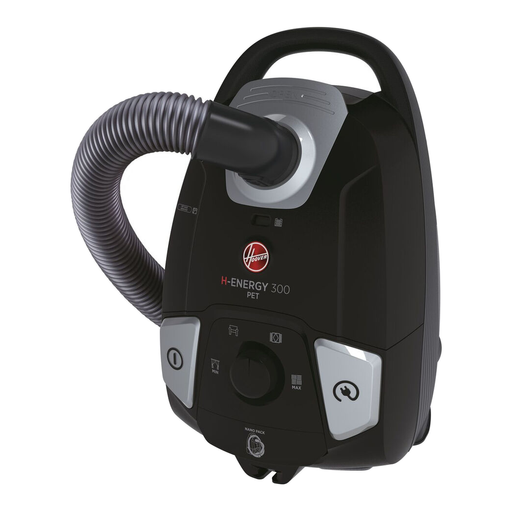
Why This Fits Their Persona: A useful match for compact UK homes needing longer reach, organised storage and a cleaner bag-disposal routine.
The 3.5-litre bag capacity and one-touch disposal reduce the need to handle loose dust; check replacement bag availability before purchase.
Motorised mini turbo nozzle, 7-metre retractable cable, variable power and NanoPack storage system.
We have compiled a complete, real-time list of products that fully satisfy these strict selection criteria and UK safety regulations.
They do not use replacement bags, but battery charging and eventual battery replacement should be considered. A corded or bagged cylinder model may be more suitable for long cleaning sessions without interruption.
Follow the product manual, as schedules vary. In general, inspect the filter when suction drops or the cleaner becomes noisier. Pet owners and frequent users may need to check it more often.
It can reduce routine dust and crumb collection, particularly on open hard floors, but it may not replace a full-size model for stairs, upholstery, deep carpet, edges or occasional detailed cleaning.