
24/7 Customer Support

Free returns

Same-day & Next-day Delivery

Quality Guaranteed

Unlock Your Welcome Offers: FREE Delivery | Up to 80% OFF | Free 30-day JoyPlus trial
Download the APP
Choosing between cordless vacuum cleaners, cylinder vacuum cleaners and upright vacuum cleaners is not simply a matter of selecting the highest wattage or the longest advertised battery life. A suitable model needs to match your flooring, storage space, cleaning routine and household needs.
For UK homes, the wrong choice can lead to short runtimes, tangled brush bars, frequent emptying or poor performance on carpets. This guide explains the specifications that matter and highlights practical options for different types of household.
A higher wattage figure describes electrical input, not necessarily how effectively a vacuum cleaner collects dust. Airflow, floor-head design, brush agitation, filtration and the seal around the cleaning head all influence real-world pick-up.
When comparing powerful suction vacuum cleaners, look for the manufacturer’s stated suction measurement, cleaning modes and floor compatibility. A model designed for hard floors may not provide the same results on thick carpets, even if its motor rating looks impressive.
“Up to” battery figures usually refer to the lowest power setting with a basic attachment. Using a motorised brush or Boost mode can reduce operating time considerably. Check the runtime at the setting you are most likely to use, along with charge time and whether the battery is removable.
Cordless stick vacuum cleaners are convenient for quick daily cleaning, but a corded cylinder or upright model may be more practical for larger homes and extended sessions.
A small dust cup may need emptying several times during a full clean. Hair can wrap around a conventional brush bar, while blocked filters can reduce airflow and trigger thermal protection.
For households with pets, consider pet hair vacuum cleaners with an anti-tangle floor head or dedicated turbo tool. If you dislike handling dust, self-emptying vacuum cleaners can transfer debris into a larger dock or sealed bag, although the station requires additional storage space.
Check whether the vacuum is intended for carpets and hard floors, and whether the floor head has adjustable settings. Motorised brushes can help lift embedded debris from carpets, while soft rollers or dedicated hard-floor heads are designed to reduce scattering on tiles, laminate and wood.
Suction figures such as kPa or air watts are useful for comparison within similar product categories, but they should not be viewed in isolation. Also check the number of power modes, brush design and included tools.
For cordless vacuum cleaners, compare:
Lightweight vacuum cleaners are easier to carry up stairs and use on upholstery, but a larger battery, dustbin or motor can increase overall weight.
For corded appliances, check cable length, hose reach and whether the model has automatic cord rewind. A longer reach can reduce the need to change sockets when cleaning several rooms.
A washable filter can reduce ongoing replacement costs, provided it is cleaned and completely dried before refitting. HEPA filter vacuum cleaners may be useful for shoppers who want fine-particle filtration; check the product specification carefully to confirm the stated filtration system rather than relying on general marketing wording.
Dust capacity also matters. Compact 2-in-1 vacuum cleaners often have smaller bins, while cylinder models may offer two or three litres. Bagless vacuum cleaners avoid buying replacement bags, but emptying a bin can release dust if done indoors.
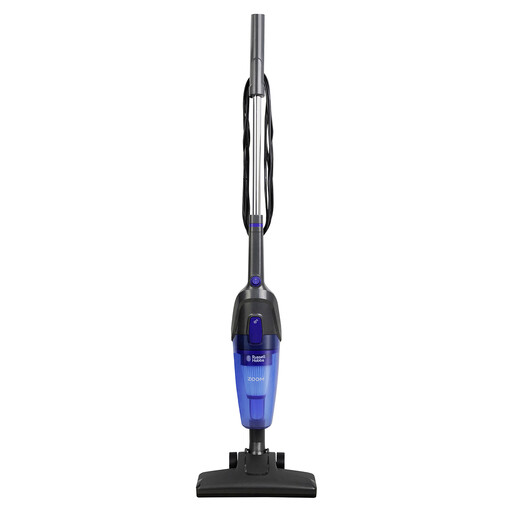
Why This Fits Their Persona: Its 1.8kg body, 5m cable and handheld conversion suit smaller UK flats, quick cleans and shoppers who prefer not to manage a rechargeable battery.
The stated 7m cleaning radius is based on a corded design, so cleaning does not depend on a maximum battery-runtime claim.
600W motor, 0.5L bagless dust cup, washable filter and stick-to-handheld design.
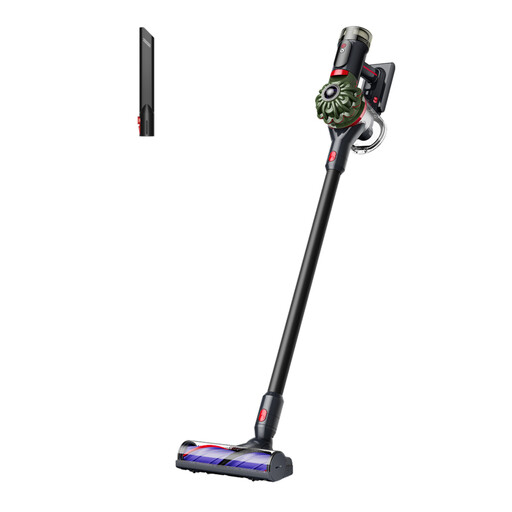
Why This Fits Their Persona: This cordless stick vacuum is suited to whole-home cleaning where stairs, upholstery, vehicles and everyday floor care all need one flexible appliance.
The specification distinguishes Eco, Medium and Boost modes, helping shoppers compare the stated 60-minute Eco runtime with higher-power use.
Removable battery, 0.5L bin, handheld conversion and de-tangling Motorbar cleaner head.
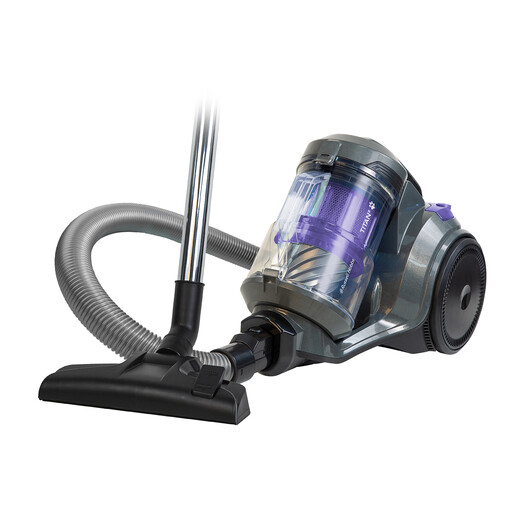
Why This Fits Their Persona: Pet owners and larger households can benefit from a sizeable dust capacity, a corded power source and tools aimed at carpets, upholstery and stairs.
Its 3L capacity reduces interruptions, while the Pet Turbo attachment addresses hair on carpets and furniture rather than relying only on a general floor head.
700W motor, 3L dust capacity, 5m retractable cable and triple dust-lock filtration including a HEPA filter.
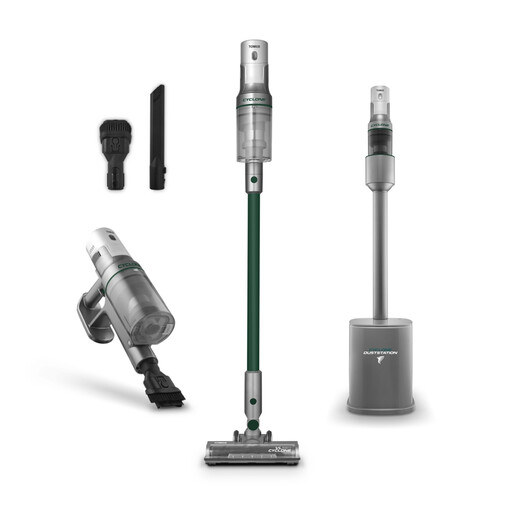
Why This Fits Their Persona: The docking station suits busy families and pet-owning households that want cordless convenience with less frequent manual dust disposal.
The product lists both low and high runtime figures, plus a 2L station capacity, making the storage and battery requirements clearer.
Up to 55 minutes’ stated runtime, anti-tangle floor head, HEPA filtration and 3-in-1 handheld conversion.
We have compiled a complete, real-time list of products that fully satisfy these strict selection criteria and UK safety regulations.
They can be, provided the runtime covers your cleaning area and the battery is used on an appropriate setting. For larger homes, consider a removable battery, spare battery availability or a corded model with a long reach.
Lifespan depends on build quality, frequency of use, filter care, brush-bar maintenance and battery condition. Corded models avoid battery ageing, while cordless models may require a replacement battery later in their service life. Always check the manufacturer’s warranty and replacement-parts policy.
They can reduce the recurring cost of replacement bags, but filters still need cleaning or replacing. Emptying a bagless bin may also release dust, so allergy-sensitive households should follow the manufacturer’s disposal and filter-maintenance guidance carefully.