
24/7 Customer Support

Free returns

Same-day & Next-day Delivery

Quality Guaranteed

Unlock Your Welcome Offers: FREE Delivery | Up to 80% OFF | Free 30-day JoyPlus trial
Download the APP
Choosing among modern vacuum cleaners is less straightforward than comparing headline suction figures. A compact cordless model may be convenient but run out of charge halfway through a larger home, while a powerful cylinder vacuum can be less practical to carry upstairs. Robot models reduce daily effort, yet still need regular maintenance and floor preparation.
The right choice depends on your flooring, household size, pets, storage space and tolerance for ongoing maintenance. This guide highlights common buying traps, explains the specifications that matter and matches suitable products to different UK household needs.
Numbers such as kPa, air watts or motor wattage can be useful, but they do not describe complete cleaning performance. A vacuum cleaner’s floor head, brush design, airflow, seal quality and filtration all affect how well it collects dust.
For example, an anti-tangle brush can be more useful than an exaggerated peak suction figure in a home with long hair or pets. Look for a motorised head designed for your floor type, rather than comparing motor figures alone.
Cordless and stick vacuum cleaner runtime is usually quoted in the lowest power mode and with limited tools attached. Boost mode can reduce this considerably. A model advertised for up to 60 minutes may therefore offer much less time for deep carpet cleaning.
Check the runtime by mode, charging time and whether the battery is removable. A spare or replaceable battery can be valuable for larger homes.
A small dust cup may require emptying during every cleaning session. Bagless vacuum cleaners also release dust when the container is opened, unless they use a sealed or self-emptying system. Filters need regular cleaning and must be completely dry before replacement.
If dust containment is a priority, compare the filter design, replacement costs and disposal method—not just the word “HEPA” on the product page.
For a home with carpets and hard floors, choose a vacuum cleaner with a suitable adjustable floor head or separate rollers. Motorised brush bars can lift embedded debris from carpets, while soft rollers are often more appropriate for delicate hard flooring.
A vacuum cleaner for carpets and hard floors should also offer floor settings or adjustable suction. Excessive suction may make some rugs difficult to move across, whereas insufficient agitation can leave dirt in carpet pile.
A HEPA filter vacuum may help capture fine particles, but the complete system matters. A sealed body, correctly fitted filter and well-maintained airflow reduce the chance of collected dust escaping through exhaust air.
Check whether filters are washable, how often they require cleaning and whether replacement filters are readily available in the UK. Never operate a vacuum without its specified filters.
A larger 2–3 litre cylinder or upright capacity reduces interruptions, which can suit families and pet owners. Cordless stick models are generally easier to lift and store, but commonly have smaller bins.
Also compare total weight, handle position, hose length, cord length and dock dimensions. A vacuum that is awkward on stairs or cannot fit in your cupboard may be used less often, regardless of its headline performance.
A wet and dry vacuum cleaner is not automatically suitable for every spill. Some models only permit wet cleaning with a dedicated roller head, while conventional dry vacuums should never collect liquids.
For a robot vacuum and mop, check how it handles carpets, thresholds, cables and no-go zones. A self-emptying vacuum cleaner can reduce daily contact with dust, but its dock still needs space and consumables may need replacing.
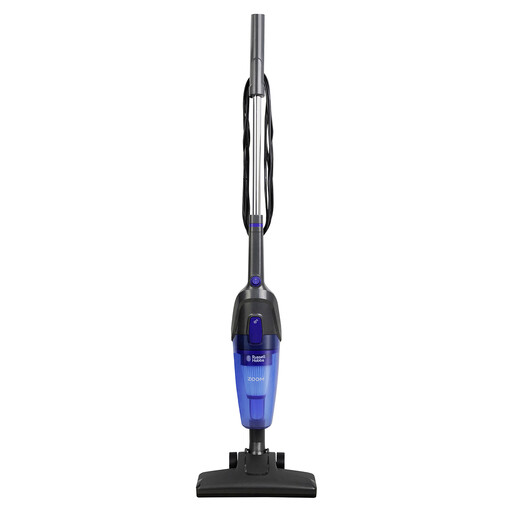
Why This Fits Their Persona: Its 1.8kg weight, corded operation and handheld conversion suit flats, smaller homes and shoppers wanting a straightforward everyday cleaner without battery charging.
The 5m power cord avoids runtime concerns, while its washable sponge filter reduces dependence on disposable filter replacements.
600W motor, 0.5L bagless capacity and approximately 7m cleaning radius in a compact 2-in-1 design.
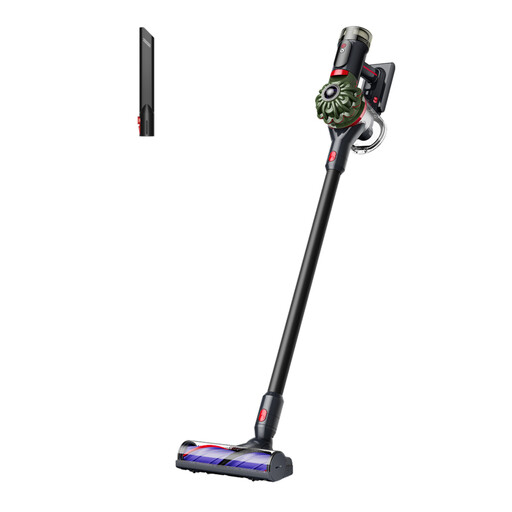
Why This Fits Their Persona: A cordless format with handheld conversion suits households that regularly clean stairs, upholstery, cars and hard-to-reach areas.
The removable battery and three cleaning modes make runtime easier to manage than a single fixed high-power setting.
Up to 60 minutes in Eco mode, 2.7kg weight, Motorbar cleaner head and fully sealed filtration.
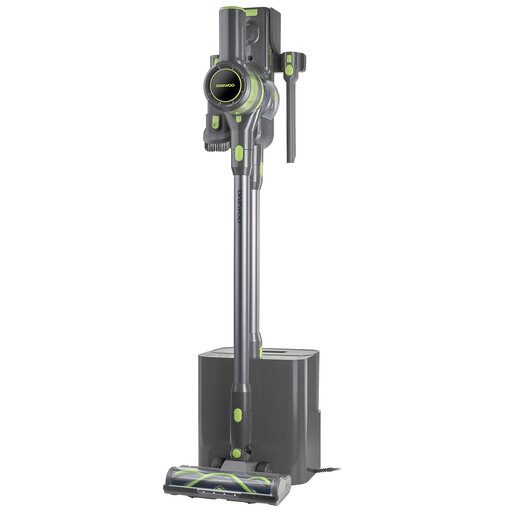
Why This Fits Their Persona: The docking station automatically transfers dust into a sealed 3L bag, reducing how often busy households handle the handheld dust cup.
Its quoted runtime is provided by power level, and the product includes a washable filter plus a sealed auto-empty system.
Up to 55 minutes on low power, HEPA filtration, LED floor head and supplied pet, carpet and hard-floor rollers.
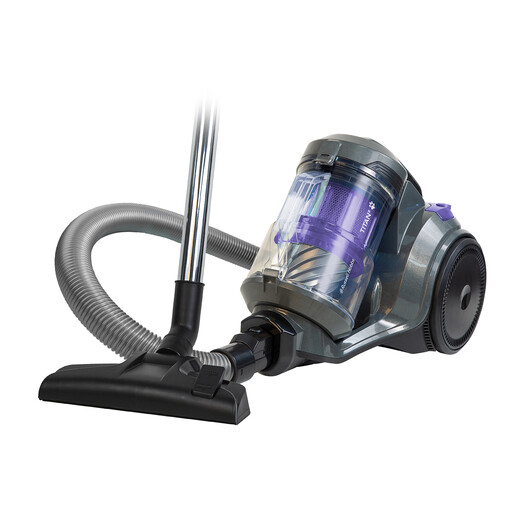
Why This Fits Their Persona: A corded cylinder format with a 3L capacity is practical for larger homes requiring extended carpet, hard-floor and pet-hair cleaning.
The larger container reduces frequent emptying, while the supplied Pet Turbo attachment addresses hair on carpets and upholstery.
700W motor, triple dust-lock filtration including a HEPA filter and retractable 5m cord.
Lifespan depends on build quality, frequency of use, battery condition and maintenance. Empty the bin before it becomes overfilled, clear brush bars and wash filters according to the manual. For cordless models, battery replacement availability is particularly important.
Electricity use is generally modest, but charging time and battery replacement affect ownership costs. Using Eco mode where practical can extend runtime. Compare included batteries, charging requirements and replacement filter prices before buying.
It can suit homes with mostly open floors, but cables, small objects, thick rugs and steps can cause problems. Check threshold clearance, mapping controls and carpet mop-lifting features. You will still need a handheld, stick or cylinder vacuum for stairs, upholstery and occasional detailed cleaning.