
24/7 Customer Support

Free returns

Same-day & Next-day Delivery

Quality Guaranteed

Unlock Your Welcome Offers: FREE Delivery | Up to 80% OFF | Free 30-day JoyPlus trial
Download the APP
As a discerning pet owner in the UK, you likely invest in high-quality dry food to support your dog or cat's health. However, once a large bag of kibble is opened, its freshness and nutritional value begin to decline. Exposure to air, moisture and household pests can quickly turn expensive food stale and unappetising.
A quality vacuum pet food storage container is a practical solution to this common problem. By actively removing air, these containers help preserve the flavour, aroma and nutrients of dry pet food for longer. This guide will walk you through the key features to consider and present some recommended options to help you make an informed choice for your home and your pet.
Choosing the right container involves more than just size. Here are a few key factors to consider to ensure you find a solution that meets your needs.
Understanding the difference in sealing mechanisms is crucial. A standard airtight pet food container uses a silicone or rubber gasket to create a seal that prevents new air and moisture from getting in. This is a significant step up from leaving food in its original bag.
However, a vacuum pet food freshness container takes preservation a step further. It incorporates a pump that actively removes the air already inside the container after it's sealed. This process, known as creating a partial vacuum, significantly slows down oxidisation—the chemical process that causes food to become stale and lose its nutritional potency. For premium or prescription diets, this can make a noticeable difference.
The material of your dry pet food storage bin affects its durability, hygiene and appearance.
Modern automatic storage solutions offer added convenience. Automatic dog food storage containers often feature one-touch operation. Consider the power source: rechargeable pet food storage with a USB port offers cordless flexibility, allowing you to place the container anywhere. Alternatively, some models use standard disposable batteries, which can also provide a cordless setup.
Here are a few options that address different needs, from advanced vacuum sealing to simple organisation.
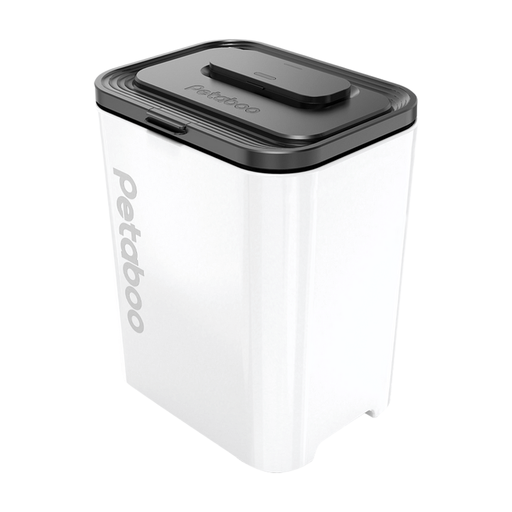
Why It Stands Out: This container combines modern technology with user-friendly design. Its key feature is the automatic vacuum sealing system. Once you close the lid, an intelligent sensor activates the pump to remove air, creating an ideal environment for preserving kibble. The built-in battery is rechargeable via USB, offering true cordless convenience for placement in a kitchen, pantry or utility room.
Pros:
Who is it for? Pet owners seeking a convenient, tech-forward solution to maximise the freshness of their pet's dry food. It is ideal for those who appreciate the "set and forget" nature of automatic sealing and cordless design.
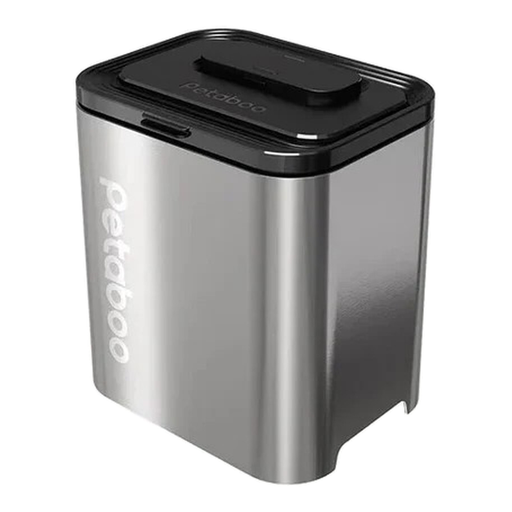
Why It Stands Out: For those who prioritise durability and hygiene, the Criseal 200SS model is an excellent choice. It features the same automatic vacuum technology as its counterpart but houses it in a robust 304 stainless steel body. This material is resistant to scratches and odours and provides a completely opaque environment, protecting the food from light degradation. It operates on D-cell batteries, again offering placement flexibility.
Pros:
Who is it for? Households where hygiene and long-term durability are paramount. It's a great fit for owners of pets with sensitivities or anyone who prefers the sleek, clean aesthetic of stainless steel appliances.
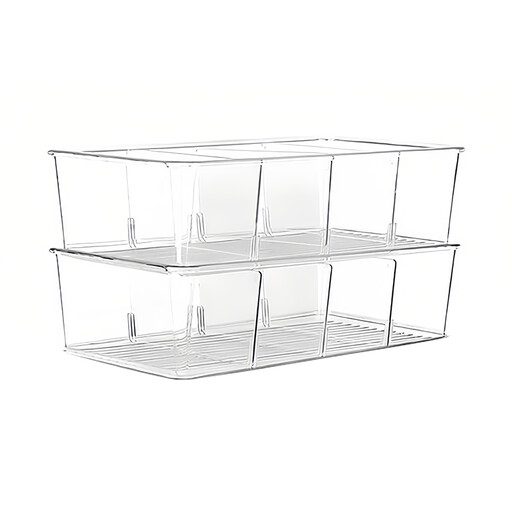
Why It Stands Out: While not a vacuum-sealed container, this product offers a different kind of utility for the organised pet owner. This 2-pack of transparent organisers is perfect for sorting smaller items. The divided compartments can keep different types of treats, dental chews or single-serving prescription food sachets neatly separated and easy to find.
Pros:
Who is it for? Pet owners who need a simple, non-electric solution for organising a variety of treats, supplements or small food packets, rather than storing a large bag of kibble.
The recommendations above cover some of the most common needs, but every pet and home is different. If you're looking for different sizes, manual sealing options or other materials, you can find a wider selection to suit your specific requirements.
Explore our full range of pet food storage containers to find the perfect match.
1. How does a vacuum pet food container work? A vacuum container has a small pump, either in the lid or base, that activates when the container is closed. This pump removes a significant portion of the air from inside, creating a low-pressure environment. By reducing oxygen levels, it slows the rate of oxidisation, which helps keep the kibble fresh, crunchy and nutritious for a longer period.
2. Is a stainless steel pet food container better than plastic? Neither is definitively "better," as the choice depends on your priorities. Stainless steel is highly durable, non-porous (resists bacteria and odours) and blocks light. High-quality, food-grade plastic is typically lighter, allows you to see the food level at a glance and is often more affordable. Both can be effective when designed well.
3. How often should I clean my dry pet food storage bin? It is good practice to clean your dry pet food storage bin each time you finish a bag of food and before refilling it. This removes residual oils and crumbs that can become rancid and contaminate the new batch of food. Wash with mild soap and water and ensure the container is completely dry before adding new food.