
24/7 Customer Support

Free returns

Same-day & Next-day Delivery

Quality Guaranteed

Unlock Your Welcome Offers: FREE Delivery | Up to 80% OFF | Free 30-day JoyPlus trial
Download the APP
Bulky duvets, winter coats and spare blankets can quickly fill a UK wardrobe, especially in rented flats, student rooms and homes without generous loft storage. Vacuum storage bags can reduce the volume of soft items and help separate seasonal clothing from everyday belongings, but not every product is equally practical.
Before buying, look beyond phrases such as “extra-large” or “maximum compression”. The seal, dimensions, material and intended load matter more than the headline claim. This guide explains the main buying pitfalls and matches several options to different household needs.
A jumbo vacuum bag may look spacious in its product title but still be unsuitable for a king-size duvet, several thick blankets or a full winter wardrobe. Check the usable dimensions and remember that bulky items need room to spread inside the bag before air is removed.
Cube-shaped designs can be easier to stack than flat bags, while a 68 × 50 × 24 cm bag may suit smaller bedding bundles or folded clothing. Always measure the shelf, under-bed area, suitcase or cupboard where the packed bag will be placed.
Vacuum storage bags are generally made from flexible plastic film. They can be punctured by zip fasteners, hangers, shoes, sharp corners or rough garage surfaces. Even a bag with an airtight closure needs careful filling and handling.
Avoid overfilling, keep contents away from sharp objects and do not place bags directly against exposed nails or unfinished timber. Waterproof and airtight construction can help protect contents from dust and moisture, but it does not make damp clothing safe to store.
A weak seal or incompletely closed valve can allow air back into the bag. Some products require a regular vacuum cleaner, whereas others include a hand pump. If you live in student accommodation, travel frequently or do not want to use a mains-powered appliance, a hand-pump option may be more convenient.
For vacuum models, check whether the package includes a sealing clip and whether the valve is compatible with your vacuum cleaner. Follow the supplied instructions rather than forcing the film flat.
For long-term storage, look for a clearly stated PA and PE material blend. Polyamide (PA) can contribute to film strength, while polyethylene (PE) is commonly used in flexible plastic packaging. Product descriptions should also explain whether the construction is waterproof, airtight or simply a zippered cover.
These terms describe product features, not a guarantee against every storage condition. Wash and dry clothing or bedding completely before sealing it. For lofts, garages and basements, place the compressed bag on a raised, dry surface where possible.
The right format depends on what you are storing:
Several TAILI options specify a 31 × 40 × 15 inch format, approximately 78.7 × 101.6 × 38.1 cm, with a stated capacity of up to 16 pounds. The product information describes space for three to five quilts, blankets, comforters or duvets per bag, but the actual amount depends on the thickness and fabric of the contents.
A reliable routine is more important than repeatedly compressing the bag:
Keep bags away from open flames and sharp objects. Supervise children around storage bags because sealed plastic can present a suffocation risk. Do not exceed the specified load capacity.
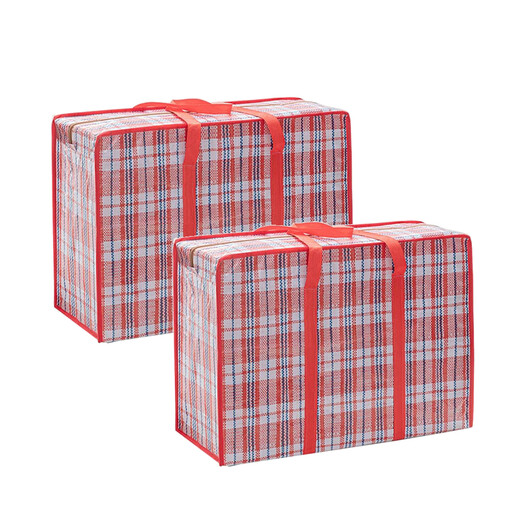
Why This Fits Their Persona: A two-piece set is a straightforward starting point for renters, students or households organising a small amount of bedding and clothing without committing to a larger pack.
The listed 68 × 50 × 24 cm dimensions make it easier to judge fit before purchase, rather than relying only on a vague “jumbo” description.
Two bags are included; the stated use covers clothes and bedding, with a compact format for cupboards and bedroom storage.
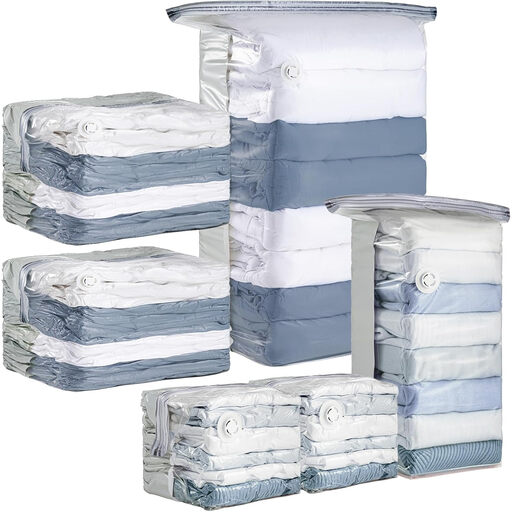
Why This Fits Their Persona: This larger set suits homeowners or families rotating bedding, coats and blankets between wardrobes, lofts, garages and suitcases.
The product information specifies PA and PE construction, airtight and waterproof features, a zip closure, sealing clips and a regular vacuum-cleaner valve.
Ten jumbo cube bags are included; the trapezoidal structure and stable bottom are designed to make filling and placement easier.
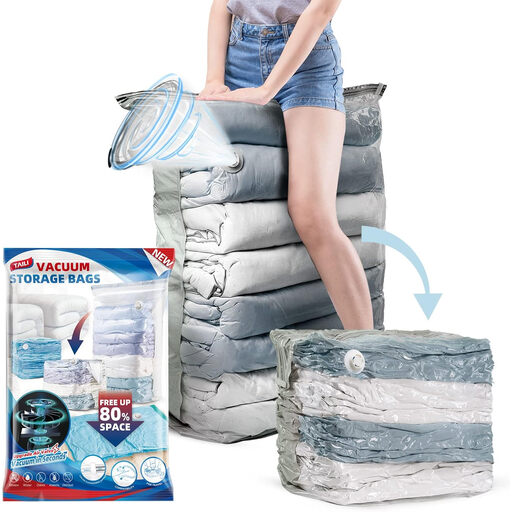
Why This Fits Their Persona: A six-pack is practical for households managing several comforters, duvets and blanket storage bags, while the cube format can be allocated by room or season.
The stated 16-pound load limit gives a clearer reference point than an unqualified capacity claim. A widened base and slider clip also address filling and sealing difficulties.
The set contains six cube bags and slider clips; its cap-free air valve is specified for use with a regular vacuum cleaner.
We have compiled a complete, real-time list of products that fully satisfy these strict selection criteria and UK safety regulations.
Use clean, fully dry items and avoid packing sharp accessories with fabric. Leave clearance around the zip, close it with the supplied clip if provided, then remove air gradually. Do not compress delicate materials more tightly than the care label allows, and refold stored items periodically if they will remain packed for a long time.
Lifespan depends on film thickness, seal quality, handling and storage conditions. Punctures, repeated overloading, heat and rough surfaces can shorten service life. Wipe bags with a soft damp cloth, allow them to dry fully and fold them away from sharp objects when not in use.
The bags themselves use no electricity. A vacuum-cleaner-compatible model requires a short period of appliance use during compression, while a hand-pump set avoids using a powered vacuum. For occasional seasonal clothing storage, the running cost is generally linked to the vacuum cleaner or pump rather than the bag.