
24/7 全天候客户支持

免费退货

当日/次日达

品质保障

开启新人专享福利: 全场免邮 | 低至 2 折 | 免费试用 30 天 JoyPlus 会员
下载 Joybuy
Choosing vanilla protein powder in the UK can seem straightforward until you compare whey blends, isolates, mass gainers and plant-based options. Pack sizes, serving figures and promotional claims can make similar products appear very different.
The right choice depends on your daily protein target, calorie intake, dietary requirements and how you plan to use the powder. This guide explains the main buying pitfalls, the specifications worth checking and a selection of suitable options for different lifestyles.
A large tub does not automatically provide better value. Compare the protein per serving and the number of servings in the pack, rather than judging by the total weight alone. A 150g mass-gainer serving is very different from a 25g whey serving, so cost per serving can be misleading.
Also check whether the listed protein figure applies to the powder alone or to a shake made with milk. Nutrition panels should be read per 100g and per serving.
A mass gainer vanilla formula combines protein with a substantial quantity of carbohydrates and calories. This can be useful for adults who struggle to eat enough, but it may be unsuitable if you are managing your calorie intake.
For example, Applied Nutrition Critical Mass Professional provides 42g of protein and approximately 75g of carbohydrate in a 150g serving. That is considerably more energy than a conventional vanilla whey protein shake.
Whey protein and whey protein isolate are made from milk. Some products also contain soya lecithin, oats or wheat-derived ingredients. Plant-based powders may avoid dairy but can still contain soya.
Always check the current packaging for allergen information, sweeteners and serving instructions. People with allergies, intolerances, medical conditions or prescribed medication should seek suitable professional advice before using a food supplement.
For a standard shake, compare the protein-to-calorie ratio. Applied Nutrition ISO-XP, for instance, lists 22.5g of protein per 25g serving, with approximately 89 calories and less than 1g of carbohydrate and fat per serving according to the supplied product information.
By contrast, a weight gain protein powder is designed to add calories as well as protein. This is useful for a different purpose and should be fitted around your normal meals rather than selected simply because the protein number looks high.
Check how much powder is needed and how much liquid is recommended. A conventional shake may use around 25–30g of powder with 150–300ml of water or milk. A mass gainer can require 150g mixed with around 500ml of liquid.
A digital kitchen scale can provide more consistent portions than relying on a scoop, particularly with high-density formulas. Follow the label and do not exceed the stated daily dosage.
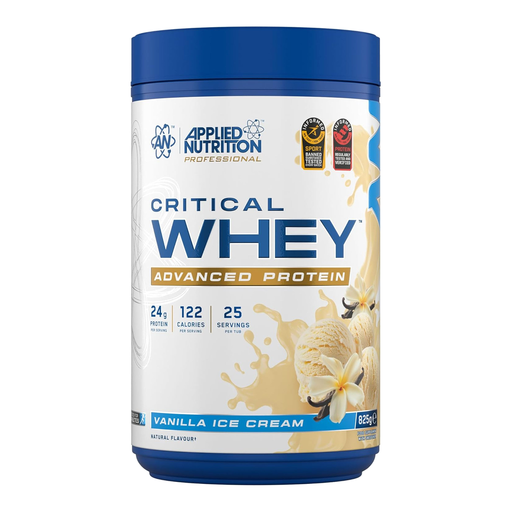
Why This Fits Their Persona: A practical entry point for UK gym-goers who want a conventional vanilla whey protein for post-workout or between-meal use without committing to a large bulk container.
It is a whey concentrate and isolate blend rather than a calorie-heavy mass gainer, helping shoppers avoid adding unnecessary carbohydrate to a normal diet.
Contains whey concentrate and isolate, and is suitable for mixing with water, milk or other beverages. Exact flavour nutrition values should be checked on the label.
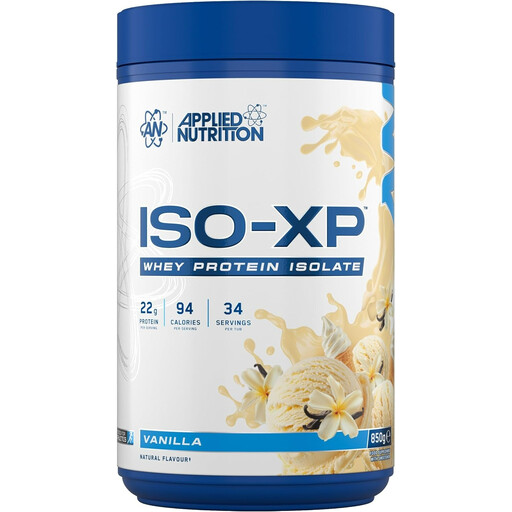
Why This Fits Their Persona: Suitable for adults who prioritise a high protein percentage and keep close track of carbohydrate, sugar and fat intake.
The nutrition panel clearly lists a 25g serving and separates protein from the small carbohydrate, sugar and fat amounts, making macro comparison simpler.
Lists 22.5g protein per 25g serving and uses whey protein isolate with sunflower lecithin. Contains milk, so it is not dairy-free.
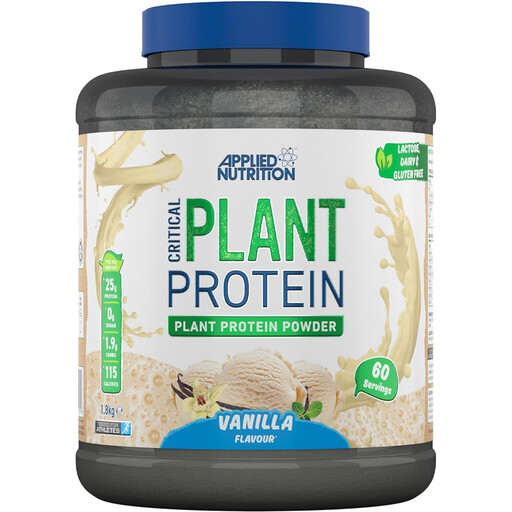
Why This Fits Their Persona: A suitable plant-based vanilla protein option for adults avoiding dairy and looking for a larger supply for regular use.
It identifies a three-source blend of soya, pea and brown rice protein, rather than relying on a single plant ingredient.
Provides 25.3g protein per 30g serving and lists 84.3g protein per 100g. Contains soya, which should be considered by allergy-conscious shoppers.
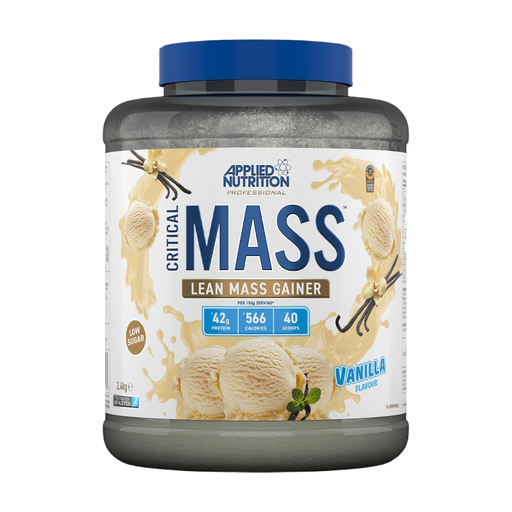
Why This Fits Their Persona: Designed for hard gainers and active adults who need a convenient way to add substantial calories alongside protein.
Its purpose is clearly stated through the calorie and carbohydrate figures, so it is less likely to be mistaken for a low-calorie protein powder.
A 150g serving provides approximately 566 calories, 42g protein and 74.7g carbohydrate. It also includes creatine and a digestive enzyme and probiotic blend.
We have compiled a complete, real-time list of products that fully satisfy these strict selection criteria and UK safety regulations.
Protein powder is a supplement rather than a replacement for a varied diet. Use it to fill a genuine gap in your daily intake, whether that is a post-workout protein supplement, a breakfast addition or a convenient snack.
Keep the container sealed in a cool, dry place away from direct sunlight and moisture. Close the tub promptly after use and follow the best-before date and storage instructions on the packaging. Product texture and flavour can change after exposure to humidity, even before the stated date.
Many adults use vanilla whey protein daily as part of a balanced eating and exercise routine. The appropriate amount depends on your total diet and personal requirements. Follow the product’s recommended serving and consult a healthcare professional if you have a medical condition, take medication or have a milk allergy.
It is generally formulated with a higher proportion of protein and lower amounts of carbohydrate and fat than many whey concentrate products. However, figures vary by product, so check the nutrition panel rather than relying on the term “isolate” alone.
Divide the net pack weight by the stated serving size to estimate the number of servings. For example, a 1kg tub using 25g servings provides approximately 40 servings before accounting for rounding or scoop variation. A kitchen scale can help maintain consistent portions and make your supply easier to budget.