
24/7 Customer Support

Free returns

Same-day & Next-day Delivery

Quality Guaranteed
Download the APP
Categories
That perfect cup of tea or coffee often starts with a simple step: boiling water. But as many beverage enthusiasts know, "boiling" isn't always the right answer. Using water that's too hot can scorch delicate green tea leaves, leading to a bitter taste, or fail to extract the full flavour profile from your favourite coffee grounds. For new parents, achieving a safe and consistent temperature for baby formula is a daily necessity.
A variable temperature kettle offers the precision needed to get it right every time. Instead of just boiling, these appliances allow you to heat water to specific, lower temperatures. This guide is designed to walk you through the key features to look for in a temperature control kettle and present a few noteworthy options for different household needs.
Navigating the options can be straightforward if you know what to prioritise. Here are a few key considerations to help you find a suitable model for your kitchen.
The core feature of a variable temperature kettle is its ability to heat to multiple temperatures. Some models offer a few common presets (e.g., 80°C, 90°C and 100°C), which are ideal for common tasks. A dedicated kettle for green tea, for instance, should have a setting around 80-85°C. Others provide a wider range of control, sometimes in 5-degree increments, offering greater flexibility for specialty infusions or for preparing a baby formula kettle where precision is paramount.
A keep warm function is an incredibly practical feature. It maintains the water at your selected temperature for a period, often between 30 minutes to an hour. This means you can come back for a second cup without having to re-boil the water from scratch, saving both time and energy. It’s particularly useful when you're hosting guests or simply want to enjoy a slow, relaxing morning.
Most modern electric kettle with temperature settings are made from stainless steel, glass or plastic. A stainless steel kettle is often favoured for its durability, resistance to odours and ease of cleaning. When considering any model with plastic components that come into contact with water, it's wise to check that they are certified BPA-free.
Capacity is another practical point. A standard 1.7-litre kettle is sufficient for most families, yielding about 6-8 cups. If you live alone or have limited counter space, a smaller 1-litre or 1.5-litre model might be more suitable.
Here are a few models that cater to different priorities, from precise temperature control to stylish design and portability.
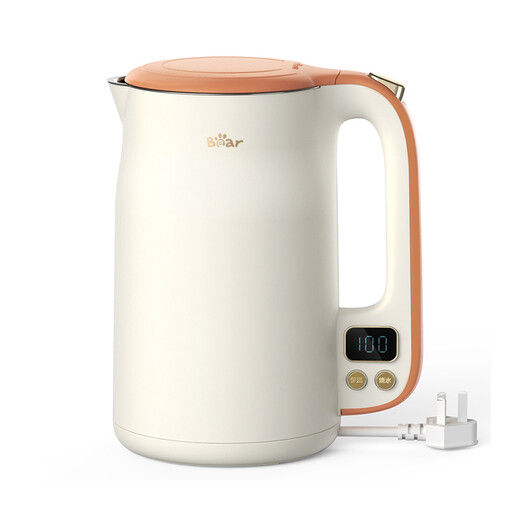
Why It Stands Out This Bear model is a true smart kettle designed for those who demand precision. Its main appeal lies in the microprocessor touch panel that offers six distinct temperature settings, ranging from 40°C to 100°C. This makes it exceptionally versatile for everything from delicate white teas to preparing baby formula and brewing coffee. The integrated keep warm function adds another layer of convenience.
Pros
Who is it for? This kettle is an excellent match for specialty tea and coffee drinkers, new parents and anyone who appreciates the control and consistency that a variable temperature kettle provides.
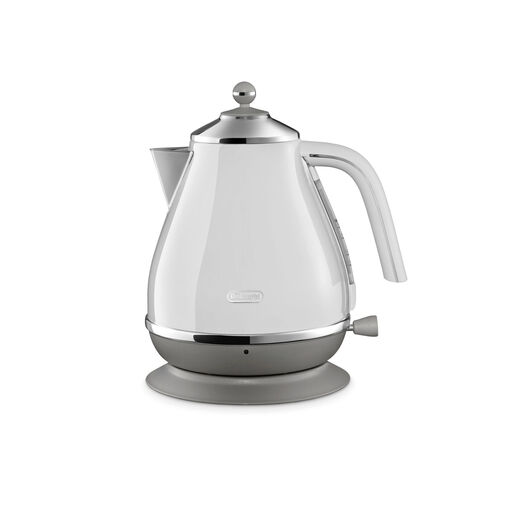
Why It Stands Out While not a variable temperature model, the De’Longhi Icona Capitals kettle earns its place for those who prioritise speed and aesthetics. With a powerful 3000W element, it offers a rapid boil, significantly cutting down the waiting time for your standard cuppa. Its chic, glossy finish and stainless steel construction make it a statement piece that complements modern kitchen decor.
Pros
Who is it for? Ideal for households that primarily drink black tea or instant coffee and want a reliable, fast and stylish kettle that looks great on the countertop.
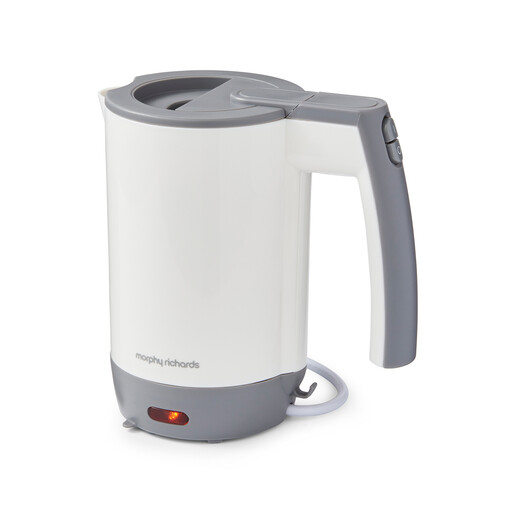
Why It Stands Out For those who need hot water away from home, this compact travel kettle from Morphy Richards is a practical solution. Its primary advantage is its small footprint and lightweight design. With a 0.5-litre capacity, it’s perfect for making one or two drinks in a hotel room, caravan or office, and it even comes with two cups to complete the set.
Pros
Who is it for? This is a great choice for frequent travellers, students in dorms or anyone with a very small kitchen who needs a basic, portable kettle.
If a traditional kettle doesn't quite fit your needs, an instant hot water dispenser might be the perfect alternative. These countertop units provide hot water on demand, offering a sleek and energy-efficient way to make your favourite drinks.
For a modern, space-saving solution, explore our range of White hot water dispenser options.
1. What temperature is best for green tea? To avoid a bitter taste, green tea should be brewed with water that is below boiling, typically between 75°C and 85°C. Using a kettle with a specific preset for this range can make a noticeable difference in flavour.
2. Is a stainless steel kettle better than a plastic one? Stainless steel kettles are generally considered more durable and are less likely to retain flavours or odours from the water. They are also very easy to clean. While high-quality, BPA-free plastic kettles are safe, many users prefer the longevity and premium feel of stainless steel.
3. How does a 'keep warm' function work on a kettle? The 'keep warm' function uses a low-power heating element to maintain the water at a pre-selected temperature after it has been heated. This feature typically stays active for a set duration, such as 30 or 60 minutes, after which it will automatically switch off for safety. It's a convenient way to ensure your water is ready for a top-up without needing to re-boil.