
24/7 Customer Support

Free returns

Same-day & Next-day Delivery

Quality Guaranteed

Unlock Your Welcome Offers: FREE Delivery | Up to 80% OFF | Free 30-day JoyPlus trial
Download the APP
Finding satisfying vegan Asian food in the UK is easier than it once was, but product labels and marketing language still require careful attention. Whether you are vegan, vegetarian, flexitarian or simply looking for convenient meat-free food, a colourful packet does not always tell you how a product fits into your diet, cooking routine or storage space.
As the Joybuy Product Recommendation Officer, I focus on practical details that help shoppers compare products without relying on exaggerated claims. This guide covers common buying traps, essential label checks and a selection of plant-based food, noodles, cooking ingredients and snacks for different household needs.
The terms plant-based, vegetarian and vegan are not interchangeable. A product may contain soya or wheat protein but still include milk-derived flavourings, egg, fish-based ingredients or shared-facility warnings.
For example, the Sajo Korean Style Crispy Meat Free Corndog is presented as meat-free, but its listing warns that it contains fish-derived ingredients in flavourings and may contain eggs, milk and sesame. It is therefore not an automatic choice for a strict vegan diet. Always read the current ingredients and allergen information on the packaging before purchase.
Vegetarian mock meat, vegan sausages and meat-free snacks can be useful ingredients, but “high protein” or “beef-style” descriptions do not make a product nutritionally complete. Check the protein, salt, saturated fat and serving size rather than judging by the front-of-pack name.
Some instant meals are also relatively high in salt. SHIZU ENERGY Vegan Beef Noodles, for instance, lists 5.1g of salt per 100g. That does not make it unsuitable, but it is an important consideration if you plan to eat vegan instant meals frequently.
Frozen vegan dumplings, beancurd and ready meals need freezer space and should generally be kept at -18°C or below. Once thawed, many products should not be refrozen. Fresh wet noodles have a shorter storage window than dried vegan noodles, while shelf-stable snacks and sauces are more flexible for student kitchens or busy households.
Check whether a product is ready to eat, chilled, frozen or cooking-required before adding it to your basket.
UK food packaging should identify relevant allergens, usually through highlighted text. Common allergens in Asian grocery products include:
Do not rely solely on a product title or a vegan symbol shown in an online listing. Formulations and packaging can change.
For a main meal, look for a clear protein component such as tofu, textured soya protein, pea protein, beans or lentils. Everbest Vegetarian Layer Meat uses textured soya protein and is supplied frozen in a 500g pack, making it suitable for stir-fries, hot pots and other dishes where a meat-style texture is useful.
For snacks, protein may be modest. Plantain chips, sweets and crisps are better treated as occasional snacks or additions rather than core sources of plant-based protein.
A 600g noodle pack may suit family cooking, while individually wrapped snacks or 100g instant meals can be more practical for packed lunches and office cupboards. Compare the number of portions with the product’s storage requirements and preparation time.
For example, Sukina Tomoshiraga So Myun cooks in approximately 3–4 minutes and can be served hot or cold. NIKKO Handmade Noodle is a 600g fresh wet noodle pack requiring around 4–5 minutes of boiling, making it more suitable for planned meals.
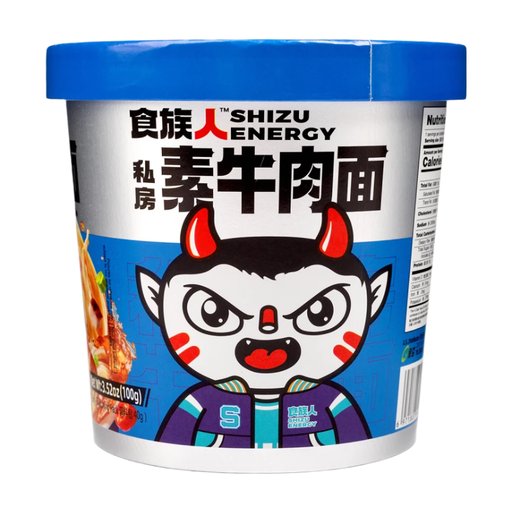
Why This Fits Their Persona: A compact cupboard option for students, first-time vegan shoppers and busy weekday lunches. It cooks with 400ml of boiling water in approximately 4–5 minutes.
The listing provides preparation instructions, ingredients and allergens, helping shoppers check the product rather than relying only on its beef-style name.
100g serving pack; includes noodles, seasoning and vegetable ingredients; contains soya protein and dietary fibre.
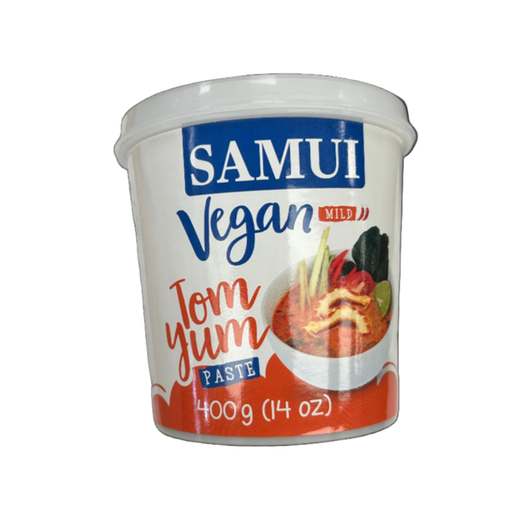
Why This Fits Their Persona: Suitable for cooks who want to build Thai vegan food at home using vegetables, tofu or plant-based protein.
It is a cooking paste rather than a complete meal, so you can control the vegetables, protein and liquid added to the dish.
400g pack; includes lemongrass, galangal, chilli, ginger and kaffir lime; usable in soups, noodles, stir-fries and marinades.
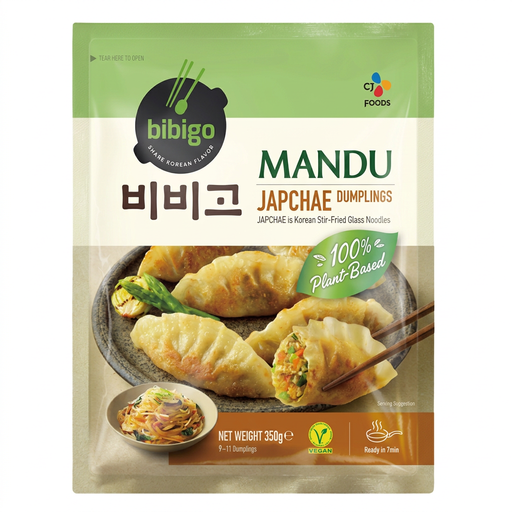
Why This Fits Their Persona: A freezer-friendly option for family dinners, sharing plates and Korean-inspired meals without making dumpling filling from scratch.
The ingredient list identifies vegetables, glass noodles, textured soya protein and allergens, while the frozen storage instruction clarifies how it should be kept.
350g pack; vegetable and mushroom filling; suitable for steaming, pan-frying or adding to a wider Korean meal.
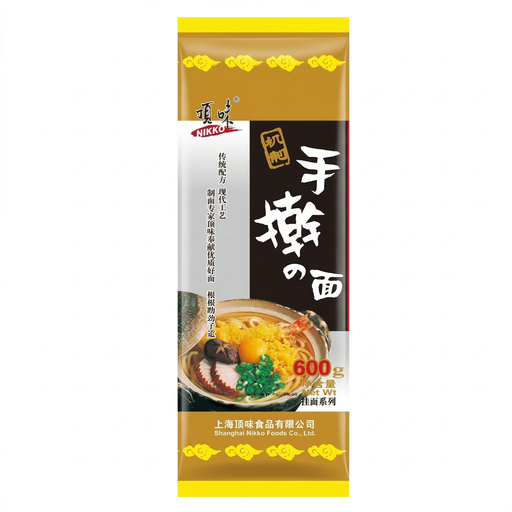
Why This Fits Their Persona: A larger pack for households that cook Chinese vegan food regularly and want flexible noodles for several meals.
The pack states a clear 600g net quantity, 4–5 minute cooking time and simple wheat-based ingredient list, avoiding vague portion descriptions.
Wide, thick noodle format; suitable for soup, stir-fried and tossed dishes; provides 12g protein per 100g according to the listing.
A flexible cupboard or freezer usually combines several product types:
If you are buying for children, packed lunches or shared households, individually portioned products such as Yan Jin Pu Zi Vegan Steak snacks or five-pack tofu snacks may be easier to store. For larger family cooking, bulk rice, noodles and frozen ingredients can reduce repeat shopping trips.
We have compiled a complete, real-time list of products that fully satisfy these strict selection criteria and UK safety regulations.
Yes. Vegan instant meals, ready-to-cook noodles, frozen dumplings and pre-made seasoning pastes can reduce preparation time. Check cooking instructions carefully: some require boiling or heating, while others are ready to eat.
Read the full ingredient list and allergen statement on the latest packaging. Look for milk, egg, fish, shellfish, honey and animal-derived flavourings, as well as “may contain” warnings if cross-contact is important to you.
Costs vary by format and pack size. Dried noodles, rice and sauces can form a relatively economical base, while speciality mock meat, frozen meals and imported snacks may cost more per portion. Comparing net weight, number of servings and storage requirements gives a more useful price comparison than comparing packet prices alone.