
24/7 Customer Support

Free returns

Same-day & Next-day Delivery

Quality Guaranteed

Unlock Your Welcome Offers: FREE Delivery | Up to 80% OFF | Free 30-day JoyPlus trial
Download the APP
Choosing between vegan and chocolate sweets can be less straightforward than it appears. A colourful packet may suit a lunchbox, while a sharing bag may work better for a film night, but dietary claims, portion sizes and allergens can easily be overlooked.
The main buying pitfalls are often hidden in the detail:
Use the product label as the final source of information, particularly when buying for children, allergy-sensitive households or someone following a vegan diet.
For vegan sweets, check for the absence of gelatine, milk, whey, egg and other animal-derived ingredients. Look for a clear vegan statement, but still review the ingredient list and allergen advice on the current packaging.
Plant-based gummy sweets commonly use pectin, carrageenan or modified starch instead of gelatine. Candy Kittens Wanderlust, for example, lists pectins and potato protein and is described as vegan, vegetarian, gluten-free and dairy-free. Its ingredients also include apple juice concentrate, natural flavourings and plant concentrates.
By contrast, many chocolate bars contain milk. Cadbury Dairy Milk Caramel 4 Pack and the 180g Cadbury Dairy Milk Caramel Chocolate Bar both contain milk and soya, with possible nut or wheat traces listed for some formats. They may suit vegetarian shoppers but are not suitable for vegans.
The term gourmet sweets can describe a recipe, shape or positioning rather than a regulated quality grade. Instead of relying on the wording alone, check the actual flavour profile and texture.
For parties or family gatherings, sharing bags are convenient. For packed lunches, individually wrapped items or bite-sized pieces can reduce mess and make portioning easier.
Pack weight helps you compare products more fairly. The listed vegan sweets range from 125g to 140g, while chocolate products include 100g, 114g, 180g and multipack formats.
Nutrition panels are normally shown per 100g, so check the serving size as well. For example, Candy Kittens Wanderlust lists 346 kcal and 51g of sugars per 100g, while Jealous Sweets Tangy Worms lists 342 kcal and 71g of sugars per 100g. This does not make one product suitable for every shopper; it simply shows why comparing the panel can be useful.
Store confectionery in a cool, dry place, away from direct sunlight and strong odours. Chocolate can soften in warm conditions, while gummy sweets may change texture if exposed to moisture. Always check the best-before information on the packet.
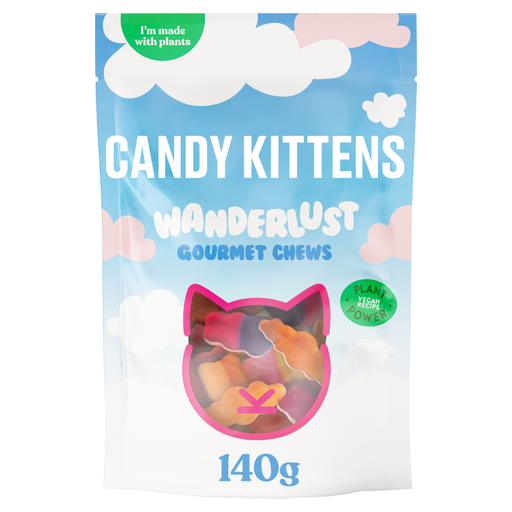
Why This Fits Their Persona: A 140g bag offers a practical starting point for shoppers wanting vegan and fruit-flavoured sweets without committing to a large multipack.
The product information identifies it as vegan and gelatine-free, while also listing allergens and factory handling advice to check before purchase.
Four fruit flavours, including strawberry, orange, blackcurrant and passion fruit; made with pectins rather than gelatine.
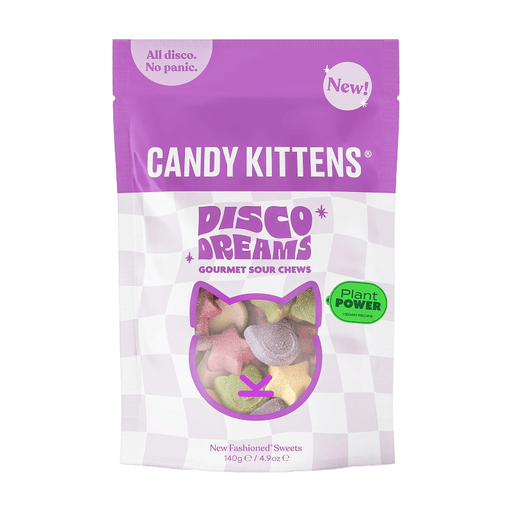
Why This Fits Their Persona: This option suits shoppers looking for a more distinctive sour chew with several fruit-led flavours in one bag.
It is described as vegan and palm-oil-free, but the allergen statement still advises checking for possible milk, nuts, peanuts and sesame.
Five sour flavours, including raspberry, blackcurrant, apple, orange and lemon; uses pectin and plant-based ingredients.

Why This Fits Their Persona: Four individually packaged chocolate bars are practical for family sharing, film nights, picnic bags or keeping separate portions available.
The pack format makes the quantity clear, and the listing identifies milk and soya allergens rather than presenting it as a vegan chocolate option.
Milk chocolate with a smooth caramel centre; four-pack format for sharing or separate treats.
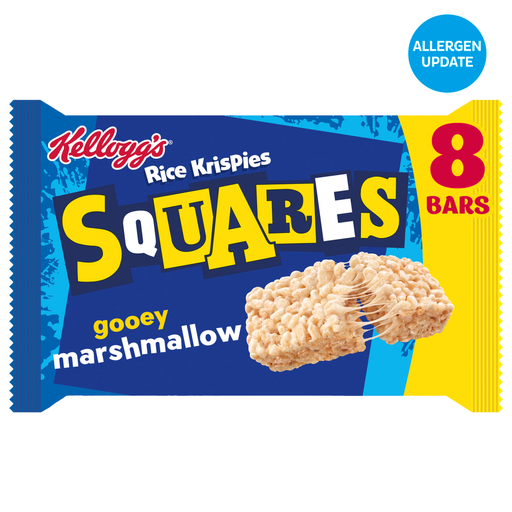
Why This Fits Their Persona: Eight 28g snack bars make it easier to organise weekday lunchboxes, day trips and individual portions.
The multipack quantity and individual weight are stated clearly. It is not vegan: the recipe contains beef gelatine, milk and cereals containing gluten.
We have compiled a complete, real-time list of products that fully satisfy these strict selection criteria and UK safety regulations.
No. Check the current ingredients and dietary statement. Vegan sweets should not contain gelatine, milk or egg, but manufacturing cross-contact information can still mention milk, nuts, peanuts or sesame. Packaging should be checked before eating.
Many conventional milk chocolate and caramel chocolate products contain milk or whey, so they are not vegan. The Cadbury products listed above are suitable for shoppers seeking milk chocolate or vegetarian options, not vegan shoppers. Look for a clear vegan statement and review the full ingredient list.
They can offer more confectionery in one purchase, but value depends on the net weight, price and how the sweets will be used. A 125g or 140g sharing bag may suit gatherings, while individually wrapped bars can reduce waste and simplify lunchbox planning. Compare price per 100g where available, and consider storage after opening.