
24/7 Customer Support

Free returns

Same-day & Next-day Delivery

Quality Guaranteed

Unlock Your Welcome Offers: FREE Delivery | Up to 80% OFF | Free 30-day JoyPlus trial
Download the APP
Choosing vegan cooking pastes can make weekday meals much easier, but the jar or tub that looks most appealing on the shelf is not always the most suitable for your kitchen. A Thai curry paste may contain shrimp paste, a “plant-based” pesto may include milk or cheese, and a large jar can become wasteful if it needs using within days of opening.
This guide focuses on the details that matter when buying vegan curry paste, pesto, dips and fermented bean products in the UK.
Traditional curry pastes and pestos can contain animal-derived ingredients. Thai curry paste may include shrimp paste or fish sauce, while classic basil pesto commonly contains hard cheese. Always check the ingredients and allergen statement rather than relying on the product name or dish name.
For example, a conventional basil pesto may contain milk and cashew nuts, whereas a free-from version may use basil, nuts, oils and flavourings without dairy. “Vegetarian” also does not necessarily mean vegan.
Most curry pastes are concentrated products intended to be cooked with liquid and other ingredients. A Thai curry paste typically needs coconut milk, stock or water, plus vegetables, tofu or another plant-based protein. Fermented bean paste is usually a seasoning rather than a complete sauce.
Using too much at once can make a dish excessively salty or spicy. Start with the serving guidance on the label, then adjust gradually.
A 400g jar may offer useful value for regular curry nights, but it may not suit someone who cooks for one. Some pestos and dips require refrigeration and consumption within a short period after opening. Before buying, check:
Look for a clear ingredients list with plant-based components such as herbs, spices, vegetables, legumes, oils and fermented soybeans. UK food labels should identify relevant allergens, often in bold type. Common allergens in this category include:
If you have a serious allergy, check the current packaging and contact the manufacturer where necessary, as recipes and manufacturing arrangements can change.
The colour of a paste is not a reliable guide to heat. Compare the chilli percentage and ingredient order where available. SAMUI Vegan Red Curry Paste lists red chilli at 21%, while its Panang paste lists 20.5%. Its green curry paste contains 30% green chilli, suggesting a more prominent chilli character, although perceived heat also depends on the other ingredients and how much paste you use.
For a milder dish, a yellow curry paste may be more suitable, particularly when combined with coconut milk. For bright, citrus-led flavour, consider green curry paste or tom yum paste. Massaman curry paste generally focuses on warm spices such as cinnamon, cardamom, cumin and nutmeg.
Concentrated pastes often contain considerable salt. The SAMUI red and green curry pastes list 12g salt per 100g, while the CHUANLAOHUI broad bean paste lists 19.7g per 100g. These figures do not mean you should avoid the products, but they do show why small quantities and unsalted cooking ingredients can be useful.
Pesto and antipasti dips can also be relatively energy-dense because of oil. Check whether you want a product mainly for pasta or one that can also work as a sandwich spread, marinade, dip, soup base or stir-fry seasoning.
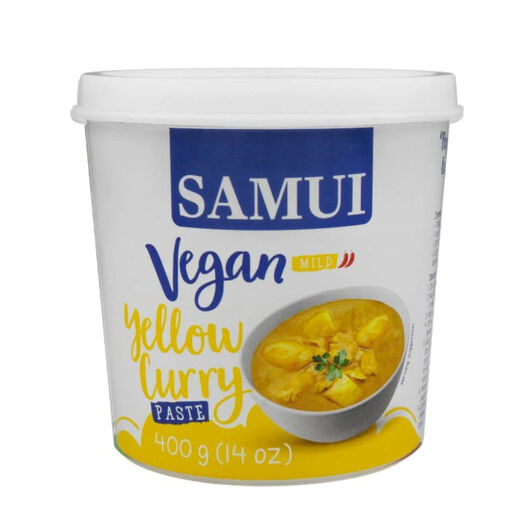
Why This Fits Their Persona: A practical starting point for cooks who want a mild, adaptable curry base for vegetables, tofu or plant-based proteins.
The listed ingredients are plant-based and the product is described as vegan-friendly, while the label still needs checking for current allergen information.
Mild curry profile, 400g format and stated uses in curries, soups, stir-fries and marinades.

Why This Fits Their Persona: Suits shoppers looking for a more layered Mediterranean and Middle Eastern-style paste for pasta, sandwiches and roasted vegetables.
The listing specifies vegan suitability, a chilli rating of 2 and a 165g pack, helping set realistic expectations around heat and quantity.
Contains paprika, sundried tomatoes, basil, pine kernels and extra virgin olive oil; refrigerate after opening and use within four weeks.
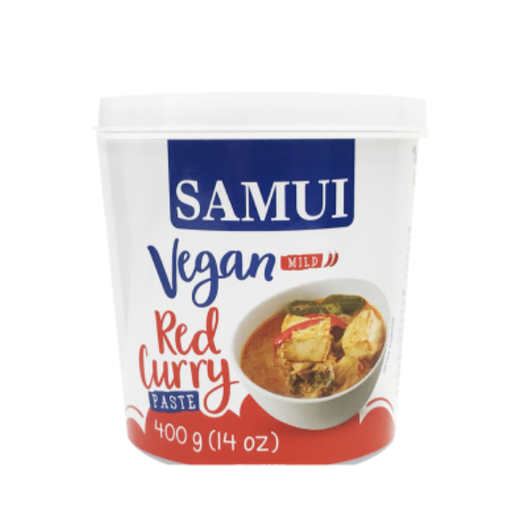
Why This Fits Their Persona: A useful larger-format choice for households that regularly prepare Thai-style meals and want one paste for several recipes.
Its stated ingredients include red chilli, lemongrass, garlic, galangal and spices, with no animal ingredient listed in the supplied description.
400g pack, smooth texture and stated suitability for curry, soup, stir-fry, marinade and sauce recipes.
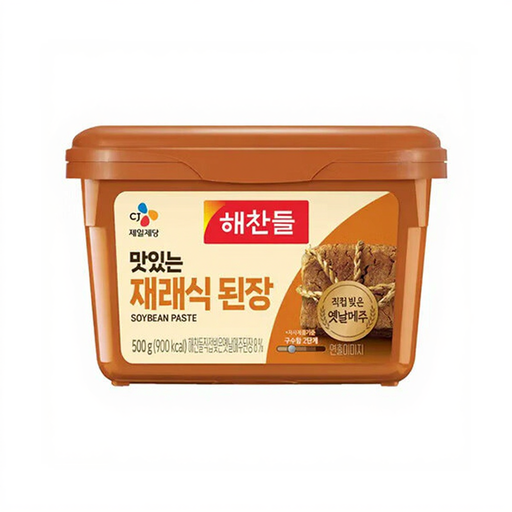
Why This Fits Their Persona: Designed for cooks exploring Korean food and wanting a fermented bean paste for stews, dips, marinades and stir-fries.
The listing clearly identifies soya and wheat allergens, so shoppers can make a more informed choice before adding it to a Korean recipe.
500g tub, fermented soybean base and usage guidance for doenjang-style stew, vegetable dipping, marinades and stir-fries.
We have compiled a complete, real-time list of products that fully satisfy these strict selection criteria and UK safety regulations.
For Italian-style meals, vegan pesto can be stirred through pasta, grains or roasted vegetables. The Mr Organic Italian Organic Sundried Tomato Pesto uses sun-dried tomatoes and tofu, while Sacla Free From Classic Basil Pesto uses basil, cashew nuts and pine nuts without dairy ingredients. Both require careful allergen checks.
An organic antipasti dip can also work as a spread or cooking ingredient. Mr Organic’s Butter Bean & Yellow Pepper and Chickpea & Tomato versions are made in Italy and supplied in reusable glass jars. Once opened, the listed storage period is short, so they suit planned lunches and sharing rather than long-term cupboard storage.
For Chinese cooking, broad bean paste and fermented bean paste can add strong savoury depth to stir-fries and braised dishes. Their salt levels are particularly important, so use them in small amounts and avoid adding extra salt until the dish is finished.
No. Some traditional recipes contain shrimp paste or fish-derived ingredients. Choose a product specifically labelled vegan or inspect the full ingredients list. SAMUI vegan red, green, Massaman, Panang and yellow curry pastes are presented as plant-based options, but packaging should always be checked before purchase.
It varies by product. Some ambient pastes should be refrigerated after opening, while pestos and dips may need using within a few days or weeks. Follow the storage instruction on the jar rather than relying on appearance or smell.
Yes. Curry pastes can flavour soups, noodles, marinades and stir-fries. Pesto works with pasta, sandwiches and vegetables, while soybean paste can be added to stews, dips and braised dishes. Start with a small quantity because these products are concentrated and often salty.