Shoppers seeking both organic and vegan crisps
Check the organic claim and certification information, then look separately for vegan suitability on the exact flavour. Neither claim establishes the other.


If organic production matters to you, choose crisps with an organic claim and certification information, then check vegan suitability separately for the exact flavour. Trafo identifies an organic range and a vegan coconut-oil crisp, while KETTLE Chips, Seabrook and REAL identify particular vegan options; a vegan label alone does not establish organic status. Check the current pack’s ingredients, allergen statements and nutrition information before deciding.
The first decision is whether you require both organic and vegan information, or whether a clearly identified vegan flavour meets your needs.
Check the organic claim and certification information, then look separately for vegan suitability on the exact flavour. Neither claim establishes the other.
A named vegan flavour can make the initial choice easier. Compare its current ingredients, allergen statements, salt information and bag size rather than assuming the whole brand range is alike.
Check allergen and precautionary statements as well as vegan wording. GOV.UK explains that vegan labelling does not guarantee the absence of animal-origin allergens through cross-contact.
Start with the two separate claims—organic and vegan—then compare the precise recipe and pack you intend to buy.
| Priority | What to check | Your needs |
|---|---|---|
| Organic status | Look for an organic claim and certification information for the product. The Department for Environment, Food & Rural Affairs says food described as organic must meet certification requirements and have at least 95% organic agricultural ingredients. | I want organic production confirmed, not just words such as ‘natural’ or a vegetable-based recipe. |
| Vegan suitability | Check the exact flavour’s vegan statement and ingredient list; vegetarian wording alone is not enough. The Vegetarian Society reported in May 2023 that 34% of UK shoppers look for an on-pack vegetarian or vegan symbol. | A clear on-pack statement helps me identify a suitable flavour without relying on its name, but I still want to read the ingredients. |
| Allergens | Read highlighted allergens and any ‘may contain’ statement on the current pack. GOV.UK distinguishes vegan labelling from an assurance that animal-origin allergens cannot be present through cross-contact. | If I have a food allergy, I need allergen information in addition to a vegan statement. |
| Nutrition and portion | Compare salt and saturates per 100g and per serving, then check the bag size and stated number of servings. Use the figures for the exact recipe. | For a sharing bag, I want to know what the stated serving covers as well as what the full bag contains. |
They answer different questions. McCoy’s Flame Grilled Steak is described as suitable for vegetarians but lists lactose and other milk ingredients.
For each flavour, check organic information if required, vegan suitability, and the current ingredients and allergens separately.
GOV.UK warns that vegan labelling does not guarantee that animal-origin allergens are absent through cross-contact.
If an allergy affects your choice, read the allergen and precautionary statements and look for an appropriate free-from assurance where needed.
The ingredients used and the stated serving can differ between products; an organic claim or vegetable content does not tell you the salt or saturated-fat figures.
Compare the nutrition tables per 100g and per serving, especially when one option is a sharing bag.
Recipes vary within a range. Walkers Cheese & Onion lists milk-derived ingredients, while KETTLE Chips identifies specific flavours in its vegan selection.
Check the exact flavour and current pack instead of carrying one product’s suitability over to another.
These examples show why an organic range claim, a vegan product statement and an individual ingredient list should not be treated as interchangeable.
Trafo says it makes only organic products and is certified by Skal. Its coconut-oil crisp is labelled suitable for vegans; a UK retailer also describes Trafo Natural Potato Chips as organic and vegan.
KETTLE Chips identifies a selection of vegan flavours in its Vegan Crowd Pleasers box.
Seabrook describes its Sea Salted crisps as suitable for vegans and lists potatoes, vegetable oils and sea salt.
REAL describes its Sea Salt crisps and Veg Crisps as suitable for vegans.
Tyrrells Sea Salt & Cider Vinegar is an example where the individual ingredient and allergen information matters more than assumptions about the flavour name.
McCoy’s cited flavours illustrate why vegetarian suitability does not confirm vegan suitability.
Walkers should be checked flavour by flavour when shopping for vegan crisps.
These potato, pulse and cassava snacks offer different flavours and base ingredients for vegan shopping. If organic production is essential, check each exact pack for an organic claim and certification information before choosing.
 No image available
A chickpea-based alternative to potato crisps, described in the product information as plant-based. Check the current pack’s vegan statement and organic information if either is essential; the product information also gives a ‘may contain celery’ warning.
 No image available
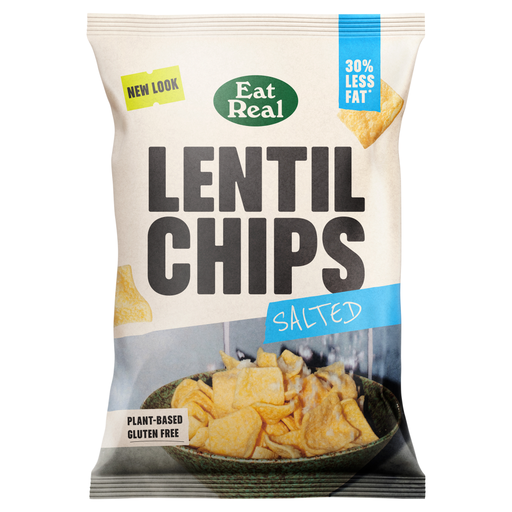
A lentil-based choice for shoppers considering a non-potato snack, described in the product information as plant-based. Confirm vegan and organic information on the current pack as needed, and check its ‘may contain soya and celery’ warning if relevant.
 No image available
A chickpea-based chilli and lemon option described as plant-based. Check the current pack for the vegan and organic information you require; the product information includes a ‘may contain celery’ warning.
 No image available
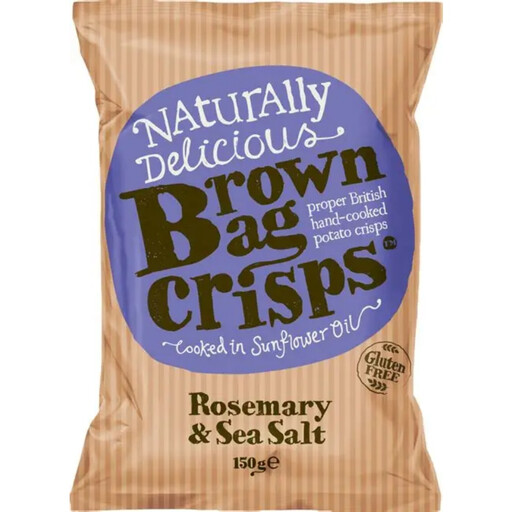
Potato crisps described in the product information as suitable for vegans. The 150g bag makes the stated serving size worth checking; if organic certification or an allergy-related assurance matters, read the current pack for those details separately.
 No image available
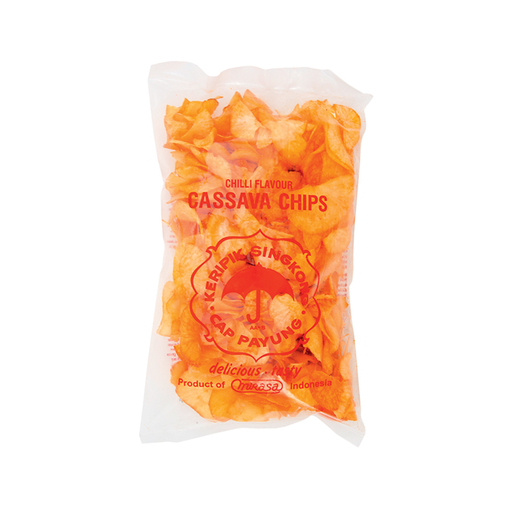
A cassava-based chilli snack described in the product information as suitable for vegans. Check the serving information for this 250g bag and look for a separate organic claim and certification information if organic production is a requirement.
An organic claim must meet organic production and certification rules. The Department for Environment, Food & Rural Affairs says food described as organic must have at least 95% organic agricultural ingredients and that the product and suppliers must be certified. Check the claim and certification information for the product you are buying rather than relying on ‘natural’ wording.
No. Organic production and vegan suitability are separate considerations. Look for both the organic information and a vegan statement for the exact flavour, then read its current ingredients and allergens.
No. GOV.UK explains that vegan labelling does not guarantee the absence of animal-origin allergens through cross-contact. Check the pack’s allergen and precautionary statements, and look for an appropriate free-from assurance where needed.
Compare the stated salt per 100g and per serving or bag, particularly when comparing single bags with sharing packs. Check how many servings the pack contains so the figures describe the amount you expect to eat.
No. Check the exact ingredients and suitability statement instead. For example, McCoy’s Flame Grilled Steak lists lactose and other milk ingredients despite being described as suitable for vegetarians; that product’s recipe does not determine the status of other flavours.