Vegan shoppers comparing nutrition
Look for an explicit vegan suitability statement, then compare the nutrition panel rather than treating “lactose-free” as a vegan claim. Energy, sugars, saturated fat and protein can differ between plant drinks.


If you need a vegan drink, choose one labelled suitable for vegans: lactose-free cow’s milk is still dairy. For weight management, compare energy, sugars, saturated fat and protein on the nutrition panels, using the same per-100ml basis where possible; if the drink regularly replaces dairy, check its fortification too. A milk allergy calls for a separate check of ingredients and precautionary allergen statements, whether a drink is labelled vegan or lactose-free.
The first choice is whether you need to avoid animal milk, lactose or a milk allergen: those requirements are not interchangeable.
Look for an explicit vegan suitability statement, then compare the nutrition panel rather than treating “lactose-free” as a vegan claim. Energy, sugars, saturated fat and protein can differ between plant drinks.
Lactose-free cow’s milk remains an option if dairy suits your needs. Tesco Groceries lists skimmed milk and lactase enzyme in Arla LactoFREE Skimmed Milk Drink, so it is not a vegan option.
Lactose-free dairy is not an alternative to avoiding milk protein. Gloucestershire Hospitals NHS Foundation Trust distinguishes milk allergy from lactose intolerance, while the Food Standards Agency advises against using a vegan label in place of allergen information. Check the ingredients and precautionary statements on the pack.
Establish whether the drink meets your dietary and allergen requirements before comparing nutrition. Then use the same quantity on each panel where possible, particularly if you add the drink to several foods or drinks during the day.
| Priority | What to check | Your needs |
|---|---|---|
| Vegan suitability | Read the ingredients for cow’s milk. Check that the individual drink is labelled suitable for vegans or plant-based; “lactose-free” alone does not establish this. | I need a plant drink, not dairy milk with its lactose removed. |
| Energy and sugars | Compare energy and sugars per 100ml, alongside the amount you normally use. A “no sugar” label does not tell you the drink’s protein or energy value. | If I use it in cereal and several hot drinks, I want to account for those servings in the rest of my food intake. |
| Fat and protein | Check fat, saturated fat and protein on comparable nutrition panels. Tesco Groceries lists 3.5g protein per 100ml for Arla LactoFREE Skimmed Milk Drink; Waitrose & Partners lists 3.3g per 100ml for Alpro Soya No Sugar. | Protein matters to my choice of dairy replacement, but I also want to compare the other nutrition values rather than choose by one figure. |
| Fortification | If a plant drink regularly replaces dairy, read its current label for added calcium, iodine and vitamins. Do not assume that drinks made from the same plant have identical recipes. | I use this drink every day and want to know which nutrients the particular product lists. |
| Allergens | Distinguish lactose intolerance from milk allergy. Check ingredients, allergen declarations and precautionary statements, including when selecting a vegan drink. | I need to avoid an allergen, so the vegan or lactose-free wording cannot be my only check. |
| How you use it | Read preparation guidance if the drink is for coffee or cooking. A barista formulation describes an intended use, not the nutritional values of other versions of that drink. | For coffee, I want a drink intended for that use; for everyday use, I still need to compare its nutrition panel. |
Removing or breaking down lactose does not remove the cow’s milk from a dairy drink. Tesco Groceries lists skimmed milk as an ingredient in Arla LactoFREE Skimmed Milk Drink.
For a vegan choice, check the ingredients and the product’s vegan suitability statement rather than relying on its lactose-free wording.
“Vegan” identifies dietary suitability, while “no sugar” addresses just one part of the nutrition panel. Neither tells you the drink’s full energy, fat or protein values.
Compare the per-100ml figures and, if the drink replaces dairy regularly, check the fortification listed for that exact product.
The Food Standards Agency warns that vegan labelling alone should not stand in for allergen labelling, because cross-contact risks may still matter.
If you have a milk allergy, read the ingredient list, allergen declaration and precautionary statement on the current pack.
A drink selected for its nutrition values may not work as you expect in coffee or cooking. Preparation guidance can differ by product.
Check the directions for your intended use, and compare the nutrition panel separately if considering a barista version.
These examples show why the product description matters more than a shelf category or brand name: a lactose-free dairy drink and a vegan plant drink answer different needs.
A lactose-free dairy range, not a vegan plant-drink range.
Plant drinks that include a no-sugar soya option labelled suitable for vegans.
A retailer with separate listings for lactose-free dairy drinks and plant-based alternatives.
Plant drinks that include a vegan whole oat option.
An own-label unsweetened soya drink labelled suitable for vegans.
These Alpro soya and almond drinks are options to consider if you want a plant drink. Check each pack for vegan suitability, nutrition and allergens; the lactose-free dairy route is a separate choice for shoppers who do not need a vegan drink.
 No image available
A soya option to consider if you want a vegan drink without sugars. Compare its current per-100ml panel with other choices, and check the pack’s soya and precautionary allergen statements if relevant.
 No image available
An almond option if that ingredient suits your needs. Check its protein alongside energy and sugars when comparing it with soya drinks; avoid it if you need to avoid almond, and read the current allergen statements.
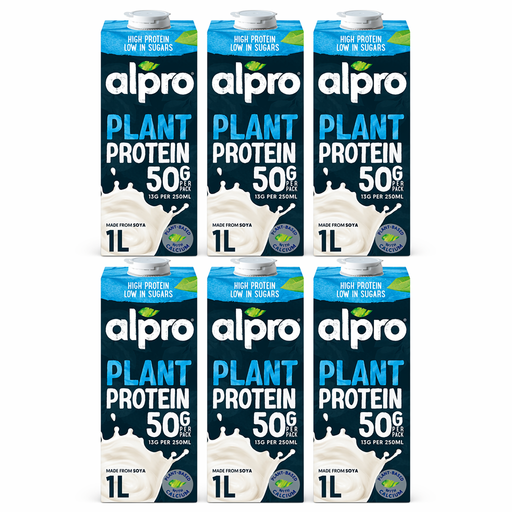 No image available
Consider this version if protein is a priority, but compare its energy and sugars per 100ml with the no-sugars drinks too. It is soya-based; check the current pack for suitability and allergen statements.
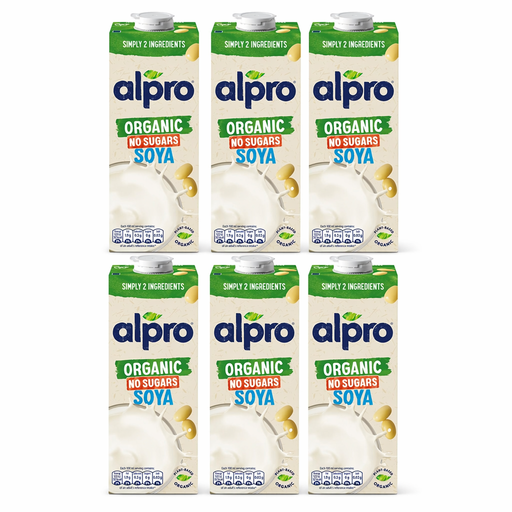 No image available
A soya version to compare with the other plant drinks on energy, sugars and protein. If fortification is important because you regularly replace dairy, check the current pack for the nutrients listed; also review its allergen statements.
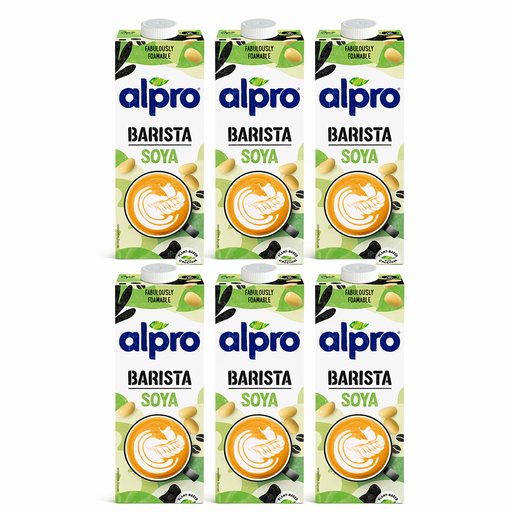 No image available
A soya version to consider for coffee. Compare its nutrition panel with everyday no-sugars drinks rather than assuming a barista formulation has the same values, and check the current allergen statements.
Not if it is lactose-free cow’s milk: removing or breaking down lactose does not make dairy vegan. For example, Tesco Groceries lists skimmed milk in Arla LactoFREE Skimmed Milk Drink. If you need a vegan alternative, check the ingredients and look for a suitable-for-vegans statement on the individual plant drink.
Choose according to the nutrition values and portion you use, rather than the vegan label alone. Compare energy, sugars, saturated fat and protein per 100ml; if the drink regularly replaces dairy, check its fortification. A no-sugar soya drink and an oat drink need not make the same contribution to your diet.
No. Gloucestershire Hospitals NHS Foundation Trust explains that lactose intolerance is different from an allergy to cow’s-milk protein and that people with a milk allergy must avoid milk products. Lactose-free dairy still contains milk; seek clinical advice if you suspect an allergy.
No. The Food Standards Agency advises that vegan labelling should not replace allergen labelling, because cross-contact risks may still need checking. Read the ingredients, allergen declaration and precautionary statement on the current pack.