Vegan shoppers focused on gluten control
If avoiding gluten is essential, you need a separate gluten-free claim as well as vegan suitability. The current ingredients, allergen information and preparation conditions all matter.


Choose pasta whose current pack explicitly states both gluten-free and vegan suitability, then pick a shape and ingredient base that fit the dish. A vegan claim alone does not establish gluten-free status; if avoiding gluten is essential, check the allergen information and prevent cross-contact while preparing the meal.
If avoiding gluten is essential, you need a separate gluten-free claim as well as vegan suitability. The current ingredients, allergen information and preparation conditions all matter.
For regular meals, you may want a familiar dried-pasta shape while still checking that the specific pack states both gluten-free and vegan suitability.
Fusilli, spaghetti and lasagne sheets serve different dishes. Check the exact variant’s dietary claims, grain base and cooking instructions before choosing a format.
For vegan meals requiring gluten-free pasta, check both dietary claims on the exact product before narrowing the choice by format, ingredients or everyday use.
| Concern | What to check | Who this matters to |
|---|---|---|
| Gluten control | Look for an explicit gluten-free claim and read allergen information. Keep preparation equipment and shared condiments free from gluten-containing residues. | If I need to avoid gluten, the pasta label and what happens in my kitchen both affect the meal. About 36% of consumers put gluten control first. |
| Vegan suitability | Check the current pack for vegan or suitable-for-vegans wording; do not infer it from rice or corn ingredients alone. | I want the exact pasta I buy to be identified as suitable for vegans, rather than relying on its grain base. That is the primary need for about 29% of consumers. |
| Everyday use | Check the pack size, familiar pasta shapes and whether the exact product is available where you shop. | For frequent pasta meals, I need a format I can use routinely and a pack size that suits my household. Around 21% of consumers make everyday practicality their main concern. |
| Recipe and grain base | Match the shape to the dish, then compare stated ingredients and cooking instructions for that variant. | When I am making lasagne or choosing a particular grain base, the format matters once the dietary checks are met. About 14% of consumers prioritise the recipe and ingredients. |
A vegan claim and a gluten-free claim answer different questions. According to the Food Standards Agency, a gluten-free claim relates to no more than 20 mg/kg of gluten in the food as sold.
Check for both claims on the current pasta pack when both are needed.
Gluten can be introduced through other ingredients or shared preparation equipment. Coeliac UK advises precautions against cross-contact when cooking at home.
Check sauces and additions separately, and use clean utensils and condiments.
A gluten-free range claim does not establish vegan suitability for every shape or recipe. The available information for Rummo Gluten Free Fusilli No. 48, for example, does not explicitly identify that variant as vegan.
Read the current pack for the particular pasta you intend to buy.
An own-label free-from range with dried-pasta shapes including fusilli.
A brown-rice pasta option for shoppers who want the ingredient base and certifications stated for a specific product.
A rice-and-corn gluten-free fusilli option for shoppers considering a spiral pasta shape.
A recipe-specific free-from option when lasagne sheets are needed.
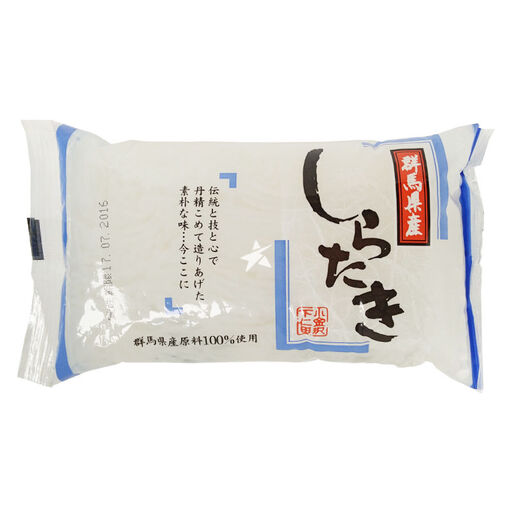
If you are open to shirataki noodles instead of a conventional dried-pasta shape, this is a noodle-based alternative for the same dietary checks.
 No image available
For a meal where noodles can replace a conventional pasta shape, the product description identifies this shirataki option as gluten-free and vegan. Check the current pack’s allergen and precautionary information if cross-contact matters to you. After opening, the listing says to refrigerate it in water and consume it within 2–3 days.
No. UK government guidance explains that vegan labelling concerns intentionally used animal-origin ingredients; it does not establish gluten-free status. Look for a separate gluten-free claim when you need both.
The Food Standards Agency states that food labelled gluten-free must contain no more than 20 mg/kg of gluten in the food as sold to the final consumer. Check for that specific claim rather than relying on a vegan label or the grain ingredients.
Yes, if avoiding gluten is important to you. Coeliac UK advises preventing cross-contact at home, including through shared utensils, cooking oil and condiments; check the other ingredients in the meal as well.
No. Rice and corn ingredients do not by themselves confirm how the exact product is labelled for vegan suitability. Check the current pack for a vegan or suitable-for-vegans statement.