
24/7 全天候客户支持

免费退货

当日/次日达

品质保障

开启新人专享福利: 全场免邮 | 低至 2 折 | 免费试用 30 天 JoyPlus 会员
下载 Joybuy
Choosing vegan health and wellness products should be straightforward, but crowded shelves and persuasive labels can make it difficult to compare what you are actually buying. Whether you need vegan supplements in the UK, plant-based vitamins, natural food products or ethical haircare, the same issue applies: attractive marketing does not always reveal the most useful purchasing information.
A sensible approach is to assess the ingredient list, serving information, dietary suitability and practical value before checking promotional claims.
“High strength” may refer to the total weight of a blend rather than the amount of the active nutrient. For example, an omega-3 supplement should show its total omega-3 content and, ideally, the separate EPA and DHA amounts. Similarly, a mushroom or herbal product may list a large extract equivalent without clearly explaining the actual serving size.
Always compare amount per serving, not just the number printed on the front of the pack.
Natural health supplements can still contain allergens, concentrated botanicals or ingredients that may not suit people taking medication. Coconut, sesame, celery, soy and mushroom ingredients all require careful label checking. Products containing magnesium, fibre, herbs or probiotics may also need to be taken separately from certain medicines.
“Vegan” describes the absence of animal-derived ingredients; it does not automatically mean allergen-free, suitable for children or appropriate during pregnancy.
Capsules, powders, tablets and large refill bottles all have different value profiles. A 30-day pack may appear inexpensive but cost more over a year than a larger pack. Conversely, a bulk product may be wasteful if you are unsure whether you will use it consistently.
Calculate the cost per daily serving, then consider storage, taste, preparation time and shelf life.
Look for a complete ingredient list, clearly stated serving size and dosage directions. For vegan supplements, check the capsule shell or tablet coating as well as the active ingredients. A plant-based formula may still include common allergens such as sesame, celery, fermented soy or coconut.
For vegan omega-3, look for an algal oil source and separate EPA and DHA figures. For probiotic capsules, check the bacterial strains and whether the stated CFU count applies at manufacture or at the end of shelf life. These details make comparisons more meaningful than broad phrases such as “gut support”.
Where applicable, compare the nutrient quantity with the UK Nutrient Reference Value (NRV). This is particularly useful for plant-based vitamins, magnesium supplements, vitamin C and zinc. A product with a higher number is not automatically more suitable: exceeding recommended directions can create unnecessary intake, particularly when several supplements overlap.
For digestive health supplements, distinguish between fibre quantity, herbal extracts and live cultures. Psyllium, for instance, should be taken with sufficient liquid, while probiotics have different storage and usage requirements.
Food supplement advertising should not be treated as a medical diagnosis or treatment recommendation. Look for practical information such as manufacturing location, batch details, allergen declarations, tamper seals and storage instructions. Quality marks can be useful, but they should complement—not replace—the ingredient and dosage information.
For vegan skincare and haircare, assess the full ingredient list, intended hair or skin type, pack size and external-use warnings. Large refill formats can reduce packaging per use, but only if the product suits your routine.
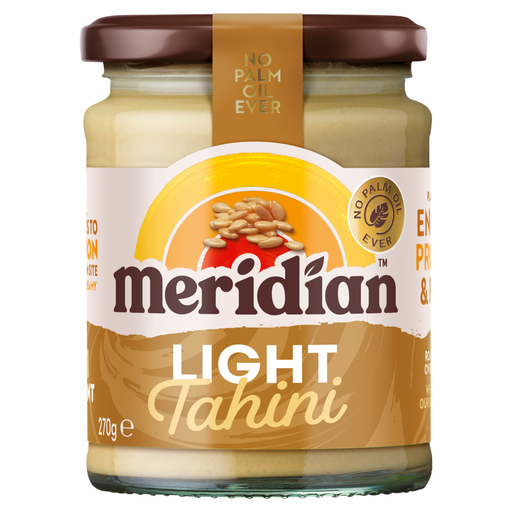
Why This Fits Their Persona: A simple pantry option for shoppers beginning a plant-based routine, suitable for toast, dressings, smoothies and home cooking.
The ingredient list contains 100% roasted hulled sesame seeds, with no added sugar or salt. It also clearly identifies sesame as an allergen.
Vegan, gluten-free and dairy-free; contains 19g protein and 8.1g fibre per 100g.
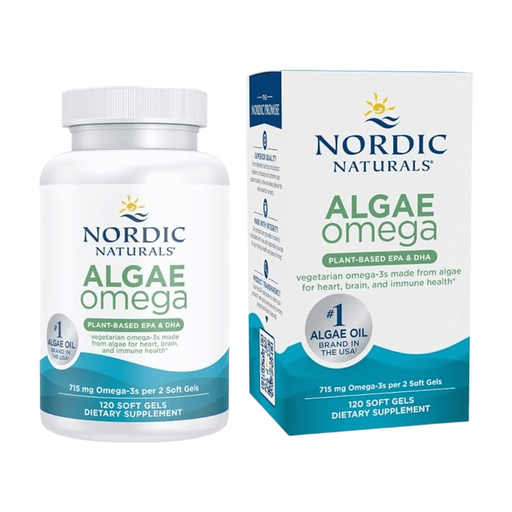
Why This Fits Their Persona: A fish-free omega-3 choice for adults who want clearly stated EPA and DHA amounts in a longer 120-softgel format.
The label states 715mg total omega-3 per serving, including 195mg EPA and 390mg DHA, rather than relying only on a general omega-3 headline.
Uses marine algal oil; suitable for vegans and vegetarians; supplied in a 120-softgel bottle.
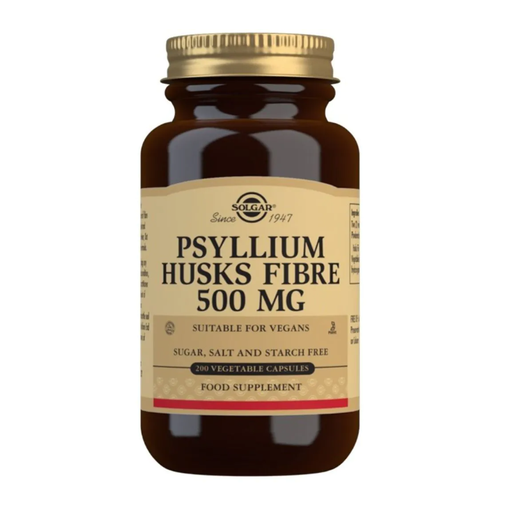
Why This Fits Their Persona: Designed for adults who specifically want a measured fibre supplement in a high-count pack for regular use.
Each two-capsule serving provides 1,000mg psyllium husk, with directions stating that it should be taken with at least 8 ounces of liquid.
200 vegan capsules; simple psyllium-husk formula; convenient alternative to preparing fibre powder.
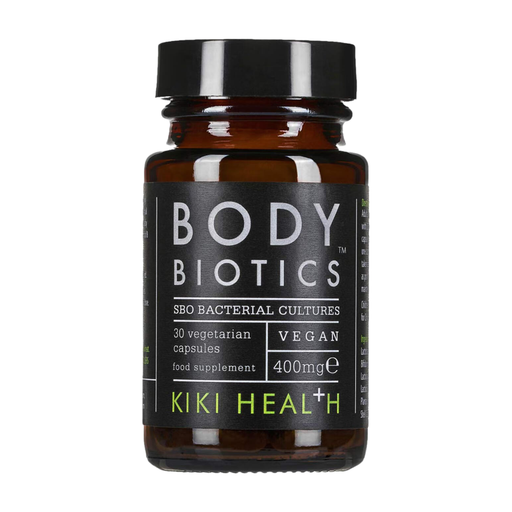
Why This Fits Their Persona: A practical one-capsule-a-day option for adults looking to add probiotic capsules to an established routine.
The product specifies eight bacterial strains and a minimum of 1 billion live bacteria per capsule at manufacture, rather than using only vague “friendly bacteria” wording.
Shelf-stable without refrigeration; vegan capsule; 30-capsule supply.
We have compiled a complete, real-time list of products that fully satisfy these strict selection criteria and UK safety regulations.
The wider naturally vegan range can help you compare magnesium supplements, apple cider vinegar tablets, vitamin C and zinc, mushroom extracts, plant-based food products and vegan skincare and haircare. For instance, an effervescent magnesium tablet may suit someone who dislikes swallowing capsules, while a large aloe vera conditioner refill may be more practical for a family or shared bathroom.
Before adding several products together, check for overlapping nutrients and follow each label’s directions. A balanced diet remains the foundation of nutritional wellbeing, and supplements should not replace varied meals.
No. Vegan status only relates to animal-derived ingredients and, in some cases, animal testing policies. Check allergens, dosage, age restrictions, storage instructions and possible medication interactions. Pregnant or breastfeeding shoppers, people with medical conditions and those taking regular medication should seek appropriate healthcare advice before using supplements.
Compare the active ingredient per serving, number of servings, ingredient form, allergen information and total cost per day. For vitamins and minerals, check the NRV percentage. For omega-3, compare EPA and DHA; for probiotics, compare strains and CFU information; for fibre, check the amount per serving and liquid instructions.
Shelf life varies by product. Check the best-before date and follow storage guidance. Keep capsules and powders cool, dry and away from direct sunlight. Refrigerate opened coconut milk and use it within the period stated on the packaging. Haircare refills should also be decanted into clean, suitable containers and used according to the label directions.