Vegan shoppers without a food allergy
Check whether the ingredients and any vegan statement meet your dietary requirements. Vegan wording addresses intentional ingredients; it is not an allergen-free claim.


Choose a nut product only when its current ingredients and allergy information meet your particular requirements. A vegan claim does not establish that it is free from milk, egg or another allergen: if you need to avoid one, check the named ingredients, any specific free-from claim and the precautionary warnings on the exact pack. Mixed and flavoured products warrant particular attention because their ingredients and warnings can differ.
Check whether the ingredients and any vegan statement meet your dietary requirements. Vegan wording addresses intentional ingredients; it is not an allergen-free claim.
Check for the specific allergen you need to avoid, including any relevant free-from claim and precautionary warning. Do not use vegan suitability alone to decide whether a product meets an allergy-related need.
Read the full list of named nuts in a mix and check peanut advice separately. The Food Standards Agency distinguishes peanuts, which are legumes, from tree nuts.
Choose the type of product you want, then check the exact pack against every ingredient and allergen you need to avoid. A short ingredient list makes that first check simpler, but does not settle cross-contact questions.
Consider when: You want to check a short ingredient list for cooking or snacking and can eat the named nut.
Keep in mind: Few ingredients do not establish that a pack is free from other allergens through cross-contact.
Consider when: You want a mixture and every named nut meets your requirements.
Keep in mind: A vegan-labelled mix can contain several tree nuts and carry separate warnings for other allergens.
Consider when: You want a seasoned or coated snack and have checked its full ingredient list.
Keep in mind: A vegan statement does not replace product-specific allergy advice; Sainsbury’s lists a vegan almond snack with a warning that it may contain other nuts and peanuts.
| Priority | What to check | Your needs |
|---|---|---|
| Vegan and free-from wording | Check the vegan statement separately from any claim naming the allergen you avoid. Read the current ingredients and precautionary warning as well. | I need to avoid an animal-origin allergen, so a vegan label alone cannot settle my choice. In a Food Standards Agency/Ipsos online survey in December 2023, 53% of respondents with a food hypersensitivity to milk, egg, fish, crustaceans or molluscs, and 50% of those shopping for someone with one, already knew vegan products might not be suitable because of cross-contact. These were awareness measures among surveyed 16–75-year-olds in England, Wales and Northern Ireland, not vegan-shopping preferences. |
| Ingredients and warnings | Read the ingredient list, emphasised allergens and any ‘may contain’ statement on the pack. The Food Standards Agency explains that precautionary allergen labelling communicates possible unintentional presence. | I want to distinguish an allergen deliberately used as an ingredient from one flagged as a possible cross-contact risk. |
| Named nuts and peanuts | Identify each nut in a mix; check peanuts separately from tree nuts. Read allergy advice even when the front of the pack says vegan. | If I avoid peanuts or a particular tree nut, I need to know exactly which ones the product contains. |
| Current pack information | Compare online product details with the ingredients and warnings on the pack you receive. Ask the retailer or manufacturer if a statement is unclear. | When choosing a familiar product again, I still need its current label rather than relying on an earlier listing. |
GOV.UK distinguishes vegan labelling from a guarantee against cross-contamination with animal-origin allergens. A product made without intentional milk or egg ingredients may still need a separate allergy check.
If you must avoid an allergen, read the specific allergen information and precautionary statement on the pack; assess any named free-from claim separately from its vegan wording.
The Food Standards Agency distinguishes peanuts from tree nuts, while a mixed pack may name several different tree nuts.
Check each constituent nut and read any separate peanut or tree-nut warning, particularly on mixes and coated snacks.
A product page or filter cannot replace the ingredient and allergy information on the pack being bought.
Check the current pack before use, and ask the manufacturer or retailer about information you cannot interpret.
Worcestershire Acute Hospitals NHS Trust warns that whole nuts are a choking risk for children under five.
Do not give whole nuts to children in this age group. If a child has a known or suspected nut allergy, seek advice from their healthcare professional rather than using a retail label to decide whether to introduce a nut product.
These examples show why suitability depends on the individual product and its current label, not the brand or retailer name.
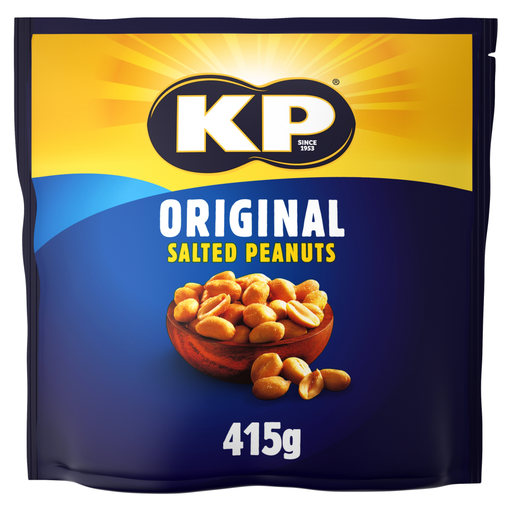
KP Nuts publishes ingredients and allergy advice for individual snacks, including Original Salted Peanuts.
M&S Food gives product-specific ingredients and dietary information; its Oven Roasted Mixed Nuts listing identifies the product as vegan.
Sainsbury’s product listings can give vegan suitability alongside ingredients and allergy advice for individual branded snacks.
These Joybuy options include salted peanuts, mixed nuts and chestnut products. For each one, use the current pack to decide whether its ingredients, vegan information and allergen warnings meet your requirements.
 No image available
A salted peanut option for shoppers who can eat peanuts. Check the current pack for vegan information and warnings about other allergens; the KP Nuts Original Salted product page warns of possible other nuts, milk, soya and gluten.
 No image available
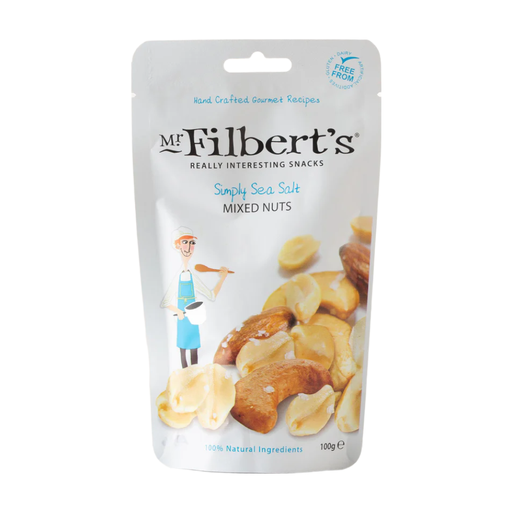
For a mixed-nut choice, check every named nut on the pack as well as its vegan and allergy statements. A sea-salt description does not establish that the mix is free from other ingredients or cross-contact.
 No image available
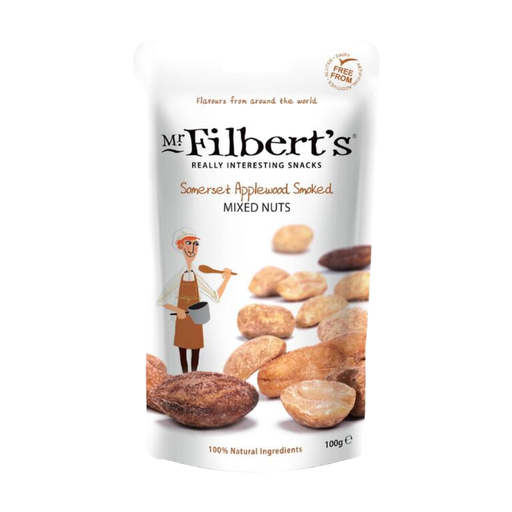
This smoked mixed-nut option calls for a check of both the named nuts and the flavouring ingredients. Read the pack’s vegan statement, any specific free-from claim and its precautionary allergy advice separately.
 No image available
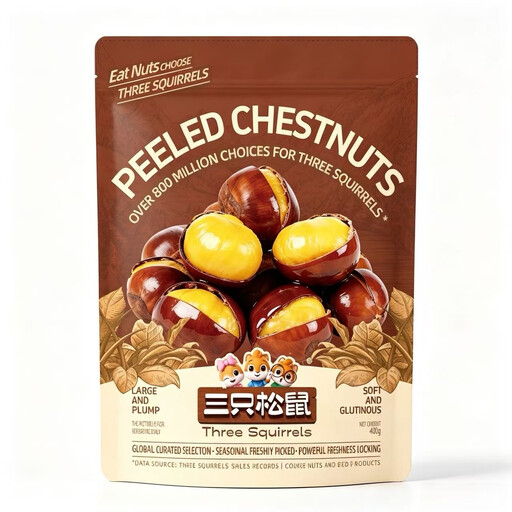
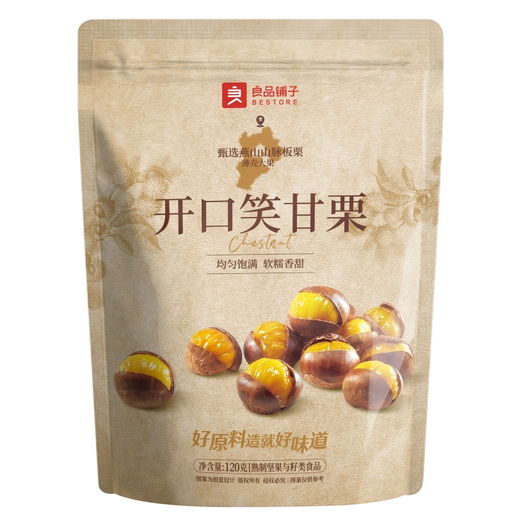
A chestnut-kernel option if chestnuts meet your needs. Check the current ingredient list and allergy advice rather than assuming that a chestnut product is free from another allergen.
 No image available
For this chestnut product, read the current pack’s ingredients and any allergen or free-from wording. Do not treat a general statement about allergens as a substitute for checking the specific one you need to avoid.
No. GOV.UK explains that vegan labelling does not guarantee the absence of cross-contamination with animal-origin ingredients. If you need to avoid milk or egg, check the exact pack’s ingredients, precautionary warning and any claim specifically naming that allergen.
Start with the current ingredient list and emphasised allergens, then read any ‘may contain’ statement. GOV.UK says food businesses must tell consumers about specified allergens when they are ingredients; the Food Standards Agency explains that precautionary wording addresses possible unintentional presence.
No. The Food Standards Agency classifies peanuts as legumes, distinct from tree nuts. Check both the named ingredients and any separate peanut or tree-nut advice when choosing a mix.
Yes. M&S Food labels its Oven Roasted Mixed Nuts vegan while stating that the product is not suitable for people with milk or peanut allergy. Use the allergy advice for the particular pack, not its vegan status, to assess those needs.
Whole nuts should not be given to children under five because of choking risk, according to Worcestershire Acute Hospitals NHS Trust. For a child with a known or suspected allergy, seek advice from their healthcare professional before introducing a nut product.