
24/7 全天候客户支持

免费退货

当日/次日达

品质保障

开启新人专享福利: 全场免邮 | 低至 2 折 | 免费试用 30 天 JoyPlus 会员
下载 Joybuy
Choosing vegan omega-3 capsules can seem straightforward until you compare labels. Some products contain only a small amount of DHA, while others use broad terms such as “plant-based omega-3” without clearly stating the source or dosage. Combination formulas may also include ingredients that are unsuitable for your routine or medications.
For UK shoppers, the practical questions are simple: Where does the omega-3 come from? How much DHA and EPA does one capsule provide? What else is included? Checking these details helps avoid paying for an attractive label that does not match your needs.
Flaxseed, chia and hemp typically provide ALA, another type of omega-3. Vegan DHA and EPA capsules are usually made with microalgae oil, because algae are the original source of the omega-3 that fish obtain through the marine food chain.
If you specifically want DHA and EPA, look for the algae species and the quantities per serving. “Algae oil” alone is not enough information if the label does not state the DHA and EPA content.
A capsule may list a large amount of algae oil, but the useful comparison is the actual quantity of DHA and EPA. A product with 500mg of oil is not automatically stronger than one with 300mg if the active omega-3 content differs.
Check whether the stated amount applies to one capsule or multiple capsules. This is particularly important when comparing a daily wellness supplement with a product requiring several capsules per serving.
An algae omega-3 supplement may also contain vitamins, minerals, herbs or adaptogens. These additions can be convenient, but they should not be treated as automatically suitable for everyone.
Review the full ingredient list, recommended daily dose, allergen information and storage instructions. If you are pregnant, breastfeeding, taking medication or managing a medical condition, consult a qualified healthcare professional before using a supplement.
Look for clearly stated amounts per capsule. The Grass & Co. PRIME Sea Greens label lists 333mg algae omega-3 per capsule, including 100mg DHA and 50mg EPA. The product description also refers to a 330mg dose, so checking the current packaging remains important.
DHA and EPA are different nutrients, so a label listing only “omega-3” does not provide the full picture. If your search specifically concerns DHA and EPA capsules, compare both figures rather than relying on the headline number.
For a vegan or vegetarian routine, check both the oil and the capsule shell. The referenced product uses DHA and EPA-rich oil from the microalgae Schizochytrium sp. and a hydroxypropyl methylcellulose capsule shell.
Algae-derived oil can also appeal to shoppers seeking a sustainable omega-3 option or who prefer to avoid fish-derived ingredients. However, sustainability statements vary between products, so look for clear sourcing information rather than assuming every algae product has identical environmental credentials.
The formula includes 5mg zinc, 20mg vitamin C, vitamin B5, vitamin B6, vitamin D3 and vitamin K2, alongside chlorella, spirulina, ashwagandha and ginseng. Vitamin quantities are shown against UK reference intakes on the supplied product information.
This makes it different from a basic algae omega-3 supplement. It may suit someone looking for a women’s health supplement, daily wellness capsules or an ashwagandha and ginseng supplement in one product. The recommended serving is one capsule daily, and the stated maximum should not be exceeded.
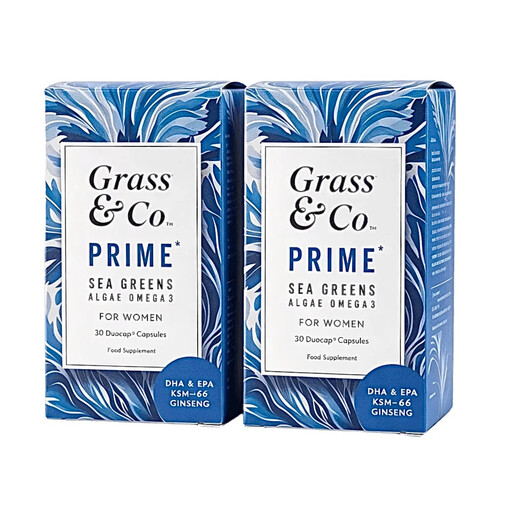
Why This Fits Their Persona: The two-pack provides 60 capsules, with one capsule listed as the daily serving. This offers a straightforward way to establish a consistent plant-based omega-3 routine without managing several products.
The label identifies the algae source and gives separate DHA and EPA figures, rather than presenting only a vague total oil claim.
One-capsule serving; 100mg DHA and 50mg EPA listed per capsule; vegan capsule shell.
Why This Fits Their Persona: It combines algae-derived DHA and EPA with vitamins, minerals, chlorella, spirulina, ashwagandha and ginseng for shoppers who prefer a broader daily wellness formula.
The complete ingredient and nutrition information makes it easier to identify overlapping vitamins before adding other supplements.
Includes vitamins D3, K2, B5 and B6; Duocap format designed to separate oil and powder ingredients.
Why This Fits Their Persona: Busy professionals who want a single daily capsule can take it with a meal and water, avoiding the need to carry separate DHA, vitamin and fatigue support supplement containers.
The stated one-capsule maximum discourages accidental overuse, while the full warnings flag medication and pregnancy considerations.
Easy one-a-day format; algae oil is described as free from fishy aftertaste; storage guidance is provided on the product information.
The supplied directions recommend taking one capsule daily with a full glass of water, preferably with a meal. Swallow it whole rather than crushing or chewing it. A meal may be more convenient for people who find oil-based capsules uncomfortable on an empty stomach.
Do not use the supplement to replace a varied diet. Check the packaging before purchase because formulations, batch information, country of origin and best-before details may change. Keep the container in a cool, dry place away from sunlight, heat and children.
They can be, provided both the omega-3 oil and capsule shell are plant-compatible. Algae oil is a common source of vegan DHA and EPA, but always check the complete label, certification details and any processing information.
The referenced two-pack contains 60 capsules and lists one capsule as the daily serving, giving approximately 60 days of use if taken as directed. Confirm the pack quantity and dosage on the label before ordering.
Not usually. The supplied storage guidance recommends a cool, dry place below 60% relative humidity, away from direct sunlight and heat. Follow the product label if its instructions differ, and do not use capsules beyond the stated best-before date.
Check for duplicated nutrients, particularly vitamin D, vitamin B6, zinc and vitamin K. The formula also contains ashwagandha and ginseng, which may not be suitable alongside certain medicines or health conditions. Ask a healthcare professional or pharmacist if you are unsure.