
24/7 全天候客户支持

免费退货

当日/次日达

品质保障

开启新人专享福利: 全场免邮 | 低至 2 折 | 免费试用 30 天 JoyPlus 会员
下载 Joybuy
Choosing vegan omega-3 supplements should be straightforward, yet product labels often make comparison harder than necessary. A large capsule count may hide a low active dose, while “plant-based” wording does not always confirm whether the formula contains DHA, EPA or both.
For UK shoppers, the practical choice usually comes down to three questions: Which omega-3 fatty acids are included? How much is provided per daily serving? Does the product suit your dietary and personal requirements?
This guide explains the key checks and highlights suitable options for different lifestyles.
A label may display a high number for total algae oil, but this is not the same as the amount of active omega-3. For example, a product can contain several hundred milligrams of algae oil while providing a smaller quantity of DHA and EPA.
Always look for the specific figures for:
This prevents you from comparing a low-dose capsule with a higher-strength serving based only on the front-of-pack wording.
Most algae omega-3 products focus on DHA, while some provide a combination of vegan EPA and DHA. DHA is commonly selected for brain and eye-related nutritional support, whereas buyers looking for a broader fish-free omega-3 formula may prefer a product that also lists EPA.
If a label only says “omega-3” without specifying the individual fatty acids, check the nutrition panel or contact the seller before purchasing.
A product can be vegan but still contain ingredients that do not fit your needs. Check the full ingredient list for:
For people avoiding fish, algae oil is a direct fish-free omega-3 option. However, “vegan” does not automatically mean suitable during pregnancy, while breastfeeding, alongside medication or for children. Those groups should seek advice from a healthcare professional.
For a simple daily vegan DHA supplement, compare the amount delivered by the recommended serving rather than by one capsule alone. Osavi provides 250mg DHA per vegan softgel, with a stated maximum of one softgel daily. Nordic Naturals Algae DHA provides 500mg DHA per two softgels.
For a combined formula, Nordic Naturals Algae Omega-3 lists 715mg total omega-3s per serving, including 195mg EPA and 390mg DHA. This makes the split between DHA and EPA clear and helps shoppers match the formula to their preference.
A 60-softgel bottle does not always represent the same duration of use. A one-capsule daily product offers 60 daily servings, while a two-capsule serving offers 30. Calculate:
Capsule count ÷ recommended capsules per day = approximate supply length
Taking the supplement with a meal is a common instruction for these products. Follow the product label rather than increasing the dose to achieve a particular outcome.
For a plant-based omega-3, check both the oil source and the capsule shell. The products below use marine microalgae such as Schizochytrium sp., but their formulations differ.
Some are designed as focused DHA products, while others combine omega-3 with vitamins, minerals, herbs or adaptogens. A simpler formula may be easier to compare with your existing diet, whereas a multi-ingredient product requires more careful checking for overlap.
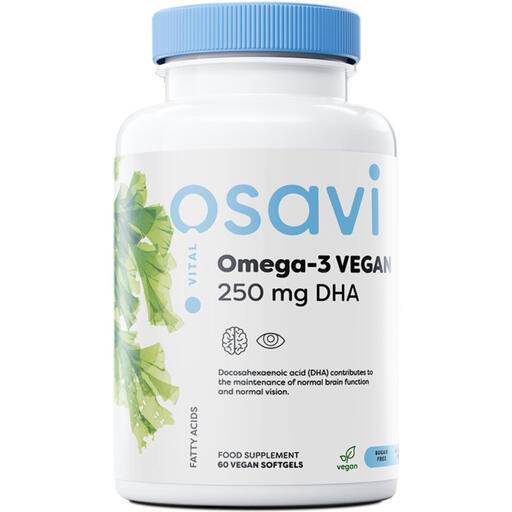
Why This Fits Their Persona: A straightforward option for UK adults who want a once-daily vegan DHA supplement without additional herbs or vitamins.
The label states 250mg DHA per softgel, so the active amount is not hidden behind the algae oil figure.
60 vegan softgels; listed as free from gluten, lactose, soya and GMO ingredients.
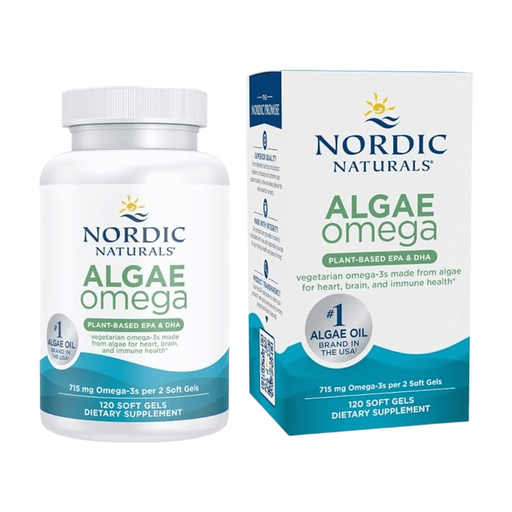
Why This Fits Their Persona: Suitable for shoppers who want a clearly itemised EPA and DHA combination and a larger bottle for regular use.
It identifies 195mg EPA, 390mg DHA and 715mg total omega-3s per serving rather than using only a general “high strength” description.
120 softgels; algae-derived EPA and DHA; listed as free from gluten and milk derivatives.
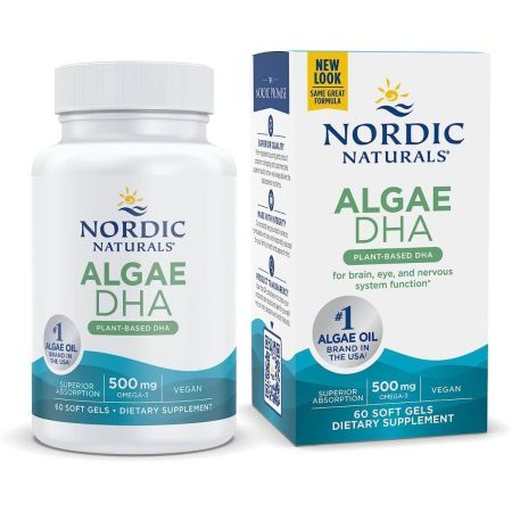
Why This Fits Their Persona: A focused choice for adults who specifically want a higher-DHA vegan cognitive support product rather than a blended wellness formula.
The serving information specifies 500mg DHA from marine microalgae and states that two softgels make one serving.
Vegan softgels; algae source; listed as gluten-free and dairy-free.
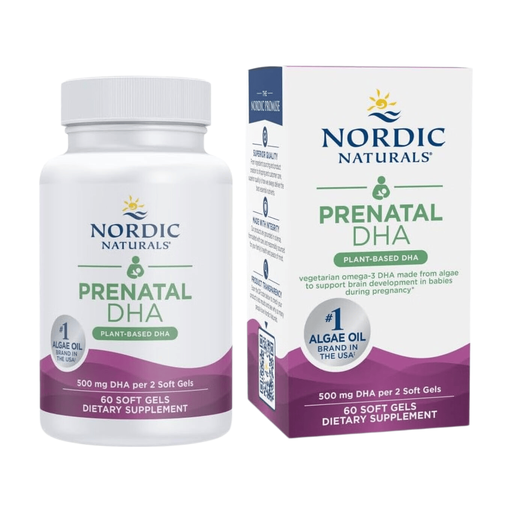
Why This Fits Their Persona: Designed for pregnant or breastfeeding women seeking a vegan prenatal DHA supplement, subject to individual medical advice.
The product is specifically labelled prenatal and states 500mg DHA per two-softgel serving, making its intended use clear.
Algae-derived DHA; 60 softgels; listed as free from gluten, milk derivatives and synthetic dyes.
We have compiled a complete, real-time list of products that fully satisfy these strict selection criteria and UK safety regulations.
Sea moss and vitamin B12 capsules are not substitutes for vegan omega-3 supplements. Applied Nutrition Sea Moss + Vitamin B12 provides sea moss extract and 1µg vitamin B12 per two capsules, but its listing does not present it as a source of DHA or EPA.
It may appeal to adults looking for a separate vegan B12 product, but check for ingredient overlap if you already use a multivitamin or fortified foods. Anyone with a thyroid condition, taking medication, pregnant or breastfeeding should seek professional advice before use.
They can be, provided both the algae oil and capsule shell meet your dietary requirements. Check for gelatin, animal-derived additives and allergen statements. The products listed here use algae-derived omega-3, but formulations can change, so read the current packaging before use.
Choose according to the figures you want to include in your daily routine. DHA-only products may suit shoppers seeking a focused vegan DHA supplement, while a combined EPA and DHA formula provides both named fatty acids. Compare the amount per recommended serving, not just the capsule count.