
24/7 Customer Support

Free returns

Same-day & Next-day Delivery

Quality Guaranteed

Unlock Your Welcome Offers: FREE Delivery | Up to 80% OFF | Free 30-day JoyPlus trial
Download the APP
Choosing vegan omega-3 supplements should be straightforward, but product labels often make comparison difficult. A bottle may highlight “high-strength algae oil” while showing only a modest amount of DHA and EPA. Another may contain extra vitamins or herbal ingredients that are unsuitable for your needs.
For UK shoppers, the practical question is not simply whether a supplement is plant-based. You also need to check the source, the amount of active omega-3, the format, dietary suitability and whether it fits your life stage.
Algae oil is the source ingredient, but it is not the same as the amount of active omega-3. A label might state that one serving contains hundreds of milligrams of algae oil, yet provide much less DHA or EPA.
Compare products using the DHA and EPA figures, rather than the total algae oil weight. This is particularly important when comparing algae omega-3, vegan DHA supplements and combined vegan EPA and DHA formulas.
Many plant-based omega-3 products are DHA-only. DHA is commonly used in vegan supplements, while products containing both vegan EPA and DHA are less common.
A DHA-only supplement may suit someone specifically looking for vegan DHA for general dietary intake. If you want a broader plant-based omega-3 profile, look for clearly stated amounts of both fatty acids.
A one-a-day capsule may be more convenient than two or four chewables, but convenience is only useful if the dose suits your routine. Gummies and chewables can also contain sugar or sweeteners, while multi-ingredient capsules may include herbs, minerals or vitamins that you do not need.
Always check:
Food supplements should not replace a varied, balanced diet. Check the product label before use, as formulations and directions can change.
DHA and EPA are the figures that matter most when comparing vegan omega-3 supplements. For example, a product may provide:
Do not compare these numbers as though they represent identical products. Serving sizes vary, so calculate the daily amount based on the manufacturer’s instructions.
Most algae omega-3 products in this selection use microalgae such as Schizochytrium sp. This provides a fish-free source of omega-3 and may suit vegans, vegetarians and people avoiding fish ingredients.
However, “plant-based” does not automatically confirm that every part of the product is vegan. Check the capsule shell, flavourings and other ingredients. For example, a chewable supplement may be vegetarian but not vegan, or may contain ingredients unsuitable for a particular allergy.
Softgels and capsules are generally convenient for adults, while gummies and chewables may be easier for children aged three and over. Prenatal products should be considered separately from everyday adult supplements.
For pregnancy or breastfeeding, review the complete ingredient list and speak with a qualified healthcare professional before use. This is especially important if you take medication, use other omega-3 products or have a medical condition.
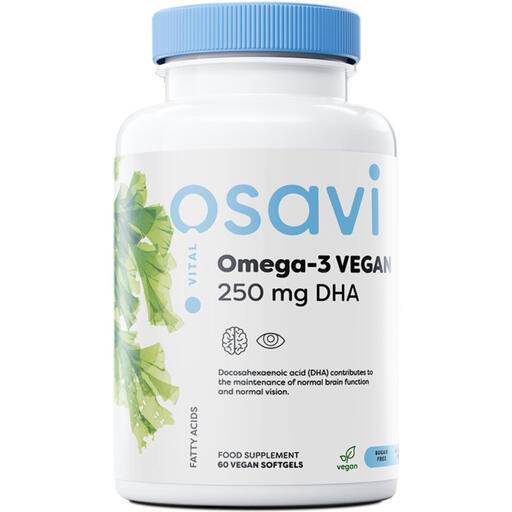
Why This Suits Them: A simple daily option for UK adults starting with fish-free omega-3 and wanting a clearly stated DHA amount.
The label states 250mg DHA per vegan softgel, making it easier to compare with products that only advertise algae oil weight.
One softgel per day; vegan tapioca shell; free from gluten, lactose, soya and GMO ingredients according to the listing.
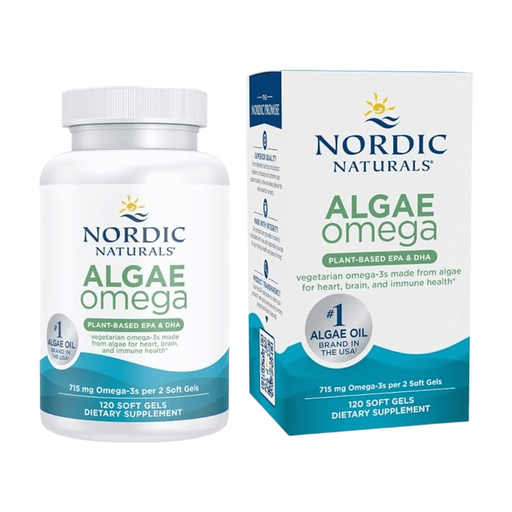
Why This Suits Them: Suits adults seeking a combined vegan EPA and DHA formula with a larger 120-softgel pack.
It lists 195mg EPA and 390mg DHA per serving, rather than presenting total omega-3 as the only strength measure.
715mg total omega-3 per serving; marine microalgae source; two softgels daily with food.
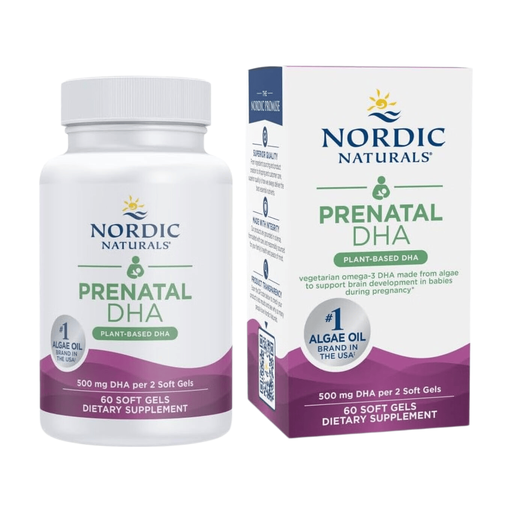
Why This Suits Them: Designed for expectant or breastfeeding women seeking prenatal vegan DHA in a fish-free softgel format.
The serving provides 500mg DHA and the product is clearly positioned for prenatal use, reducing confusion with general adult formulas.
Algae-derived DHA; two softgels per day; free from gluten, milk derivatives and synthetic dyes according to the listing.
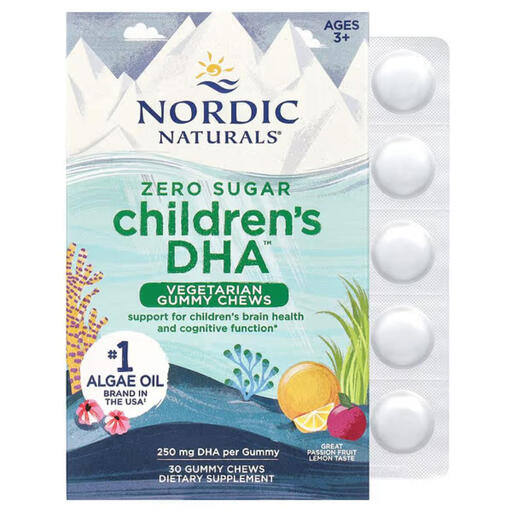
Why This Suits Them: A chewable option for families looking for vegetarian omega-3 for children aged three and over.
The listing specifies one gummy daily for children aged three and over, helping parents avoid adult-strength products and unsuitable serving sizes.
100mg DHA per gummy; passion fruit lemon flavour; algae oil source; no fish-derived ingredients listed.
Algae oil capsules and softgels are usually practical for adults who want a compact daily routine. Take them with food where the label recommends it, and store them away from heat and direct sunlight.
Vegan DHA gummies and chewables can be easier for children or adults who dislike swallowing capsules. Check sugar content, serving size and choking warnings. Products intended for children should be kept out of reach and used only at the stated age.
For a formula combining DHA and EPA with other nutrients, read the full ingredient list carefully. A product such as Grass & Co. BOOST or PRIME includes additional ingredients such as zinc, vitamin B6, botanical extracts or adaptogens. These may not suit everyone, particularly people taking medication or already using a multivitamin.
We have compiled a complete, real-time list of products that fully satisfy these strict selection criteria and UK safety regulations.
Yes, algae-based products provide a fish-free omega-3 source. However, check whether the formula contains DHA only or both DHA and EPA, and confirm that the capsule shell and other ingredients match your dietary requirements.
Shelf life varies by product. Follow the best-before date and storage instructions on the packaging. Keep the container tightly closed in a cool, dry place away from sunlight. Do not use a product if its seal is broken or if the oil, capsule or gummy appears unusual.
Some products are specifically labelled for children aged three and over, including vegetarian gummies and chewables. Do not give children an adult supplement unless a healthcare professional advises it. Always follow the stated serving size, supervise chewable products and seek advice if the child takes medication or has a medical condition.