
24/7 全天候客户支持

免费退货

当日/次日达

品质保障

开启新人专享福利: 全场免邮 | 低至 2 折 | 免费试用 30 天 JoyPlus 会员
下载 Joybuy
Choosing vegan skincare and beauty products in the UK can be more complicated than checking for a green logo. Vegan, cruelty-free, natural, hypoallergenic and “clean” are not interchangeable terms, and attractive packaging can distract from the details that affect everyday use.
Whether you are comparing K-beauty skincare, hydrating skincare, sensitive skin products or vegan beauty supplements, focus on the formula, usage instructions and suitability for your needs rather than broad marketing promises.
A vegan product contains no animal-derived ingredients, while cruelty-free refers to animal testing policies. They are related but separate considerations. Check for clear certification or manufacturer information instead of relying solely on plant imagery or terms such as “natural”.
The distinction is particularly important with collagen skincare. Marine collagen is fish-derived and therefore not vegan, even if the capsule shell or accompanying ingredients are plant-based. For example, KIKI Health Marine Collagen Beauty Blend lists hydrolysed marine collagen and includes a fish allergen warning.
Sensitivity varies considerably. A product described as gentle may still contain ingredients that do not suit your skin, including ethanol, botanical extracts or preservatives. Always review the current INCI list and patch-test new products on a small area first.
Fragrance-free formulas can be a practical choice for reactive routines, but fragrance-free does not mean irritation is impossible. Avoid applying new products to broken, sunburnt or actively inflamed skin.
A high percentage of one ingredient does not automatically make a product suitable for every skin type. Panthenol, hyaluronic acid, ginseng, niacinamide and collagen-related ingredients each serve different roles, and the texture may be just as important as the ingredient list.
For example, a rich barrier cream may be useful in cold, dry UK weather but feel excessive on oily skin. Conversely, a watery serum may be comfortable during the day but require a moisturiser to reduce moisture loss.
Look beyond the word “vegan” and check:
For supplements, UK shoppers should read the dosage, recommended daily amount, allergen statement and storage instructions. Do not assume that a beauty supplement can replace a balanced diet or professional medical advice.
For hydrating skincare, look for humectants such as glycerin, panthenol and hyaluronic acid, alongside emollients or barrier-supporting ingredients such as squalane, ceramides and oils.
A formula containing 10% panthenol, such as the Axis-Y product listed below, may appeal to shoppers prioritising a comforting barrier-focused routine. However, concentration alone does not predict personal tolerance. Introduce one new active product at a time, particularly if you already use retinoids or exfoliating acids.
For collagen skincare, distinguish between topical products that condition the skin’s surface and oral supplements containing collagen or nutrients. These are different product categories and should not be described as interchangeable.
A daily sunscreen should have a clearly stated SPF and appropriate UVA protection information. SPF 50+ offers a higher labelled UVB protection level than SPF 20, but coverage depends on applying enough product and reapplying when necessary.
The SKIN1004 Sun Serum is listed as SPF 50+ PA++++ and has a lightweight, clear-drying texture. Its product information also states that it is not water- or sweat-resistant, so it should not be treated as a sports sunscreen without checking the label.
Apply sunscreen as the final morning skincare step, including the face, ears and neck. Makeup with SPF can provide additional coverage, but it should not normally be your only sunscreen layer.
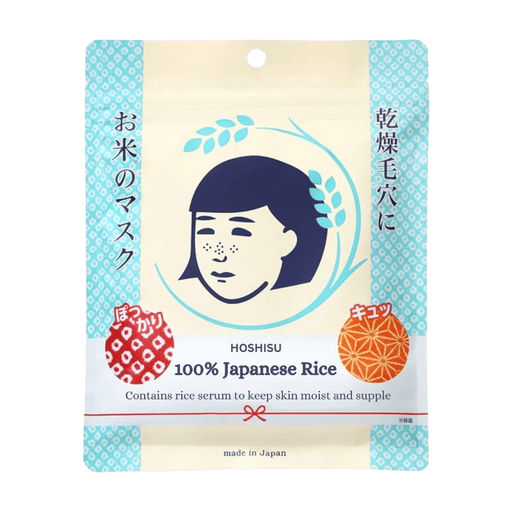
Why This Fits Their Persona: Ten individually packaged masks provide a straightforward way to add occasional hydration without building a large multi-step routine.
The ingredient list and usage time are clear, helping you avoid paying for vague overnight or instant-result claims. It is also listed as fragrance-free and colourant-free.
Contains rice fermentation broth, glycerin, rice bran oil and glucosylceramide; designed for 5–10 minutes of use, once or twice weekly.
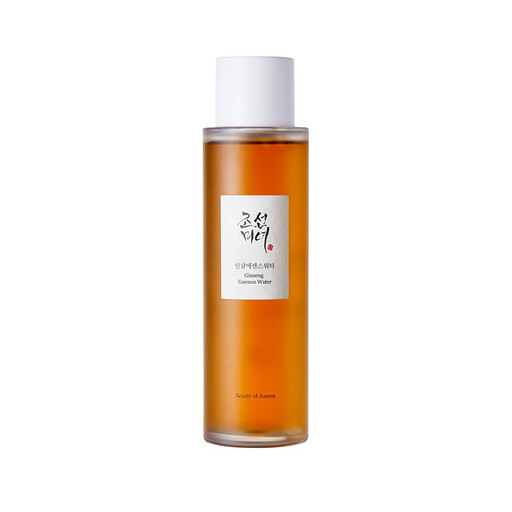
Why This Fits Their Persona: A lightweight essence suits shoppers who want a considered K-beauty skincare layer between cleansing and moisturising.
It does not rely on a heavy cream texture to provide hydration. The fragrance-free formula allows shoppers to build moisture gradually and assess tolerance.
The formula lists 80% ginseng root water, niacinamide, panthenol, allantoin and sodium hyaluronate, with a quick-absorbing water texture.
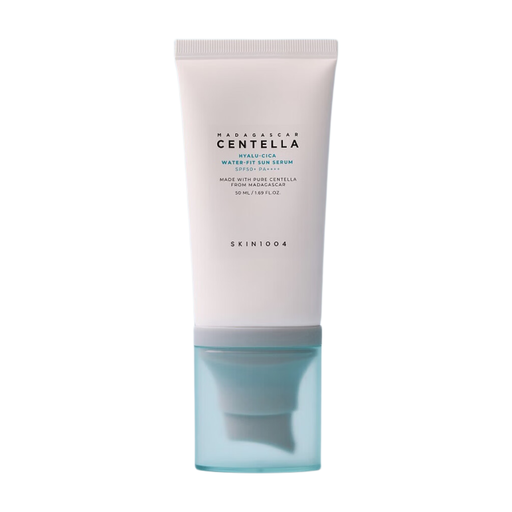
Why This Fits Their Persona: Suitable for daily commuters and makeup wearers who prefer a clear, serum-like sunscreen that sits lightly under cosmetics.
The listed SPF 50+ and PA++++ ratings are more relevant for regular daytime protection than relying on SPF makeup alone. The product information also clearly states it is not water- or sweat-resistant.
Contains centella asiatica extract, niacinamide and hyaluronic acid; the formula is listed without fragrance, alcohol or essential oils.
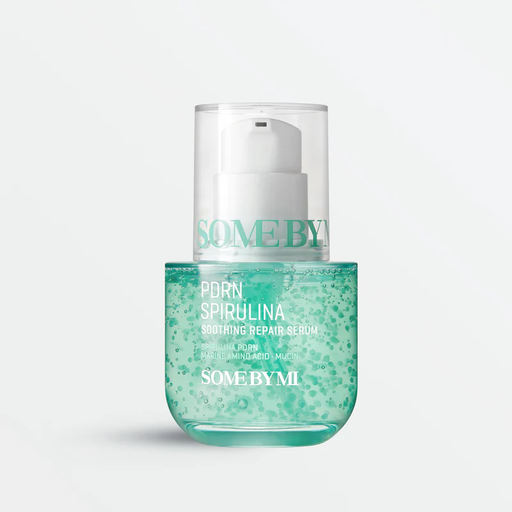
Why This Fits Their Persona: A useful option for shoppers simplifying a routine around hydration and comfort after exposure to dry indoor heating or changing UK weather.
The listed formula avoids artificial fragrance and alcohol, while the product warnings still advise patch testing and avoiding broken or severely inflamed skin.
Includes glycerin, multiple hyaluronic acid ingredients, panthenol, allantoin and beta-glucan in a watery serum format.
We have compiled a complete, real-time list of products that fully satisfy these strict selection criteria and UK safety regulations.
A simple routine is often easier to maintain:
Do not combine several new actives at once. If persistent discomfort, swelling, rash or stinging occurs, stop using the product and seek appropriate medical advice.
Not automatically. Vegan status describes ingredient origin, not individual tolerance. Review the INCI list, avoid known triggers and patch-test before applying a new formula over your face.
No. Marine collagen is derived from fish. It may be suitable for people avoiding terrestrial animal ingredients, but it is not suitable for a vegan lifestyle. Always check the allergen statement and product label.
The usable period varies by formula and packaging. Look for the period-after-opening symbol, expiry information and storage instructions. Keep products away from direct sunlight and excessive heat, and avoid introducing water or unclean tools into jars.