
24/7 Customer Support

Free returns

Same-day & Next-day Delivery

Quality Guaranteed

Unlock Your Welcome Offers: FREE Delivery | Up to 80% OFF | Free 30-day JoyPlus trial
Download the APP
Vegetable crisps can offer a more adventurous alternative to traditional potato crisps, but colourful packaging does not automatically make a snack a suitable everyday choice. UK shoppers comparing healthy vegetable snacks, mixed vegetable crisps and root-based alternatives should look beyond words such as “natural”, “light” or “non-fried”.
The right choice depends on the ingredient list, cooking method, dietary warnings, portion size and how you intend to eat the product. This guide explains the practical checks that can help parents, plant-based shoppers and snack lovers choose with greater confidence.
Dehydrated or fried ingredients lose water, concentrating their energy content. Several vegetable and root crisps in this category provide roughly 390–542 kcal per 100g, depending on the recipe and cooking method. Oil, malt syrup, sugar and seasoning may also contribute significantly.
A product made with okra, mushroom or yam is still a snack rather than a substitute for fresh vegetables. Check the nutrition panel and compare the per-serving value with the actual amount you are likely to eat.
Vacuum-cooked crisps and low-temperature dehydration can create a crisp texture without conventional frying. However, these products may still contain vegetable oil and can remain energy-dense. “Baked”, “vacuum-cooked” and “non-fried” describe preparation methods, not a complete nutritional profile.
For example, a vacuum-cooked fruit and vegetable crisps mix lists vegetable oil and provides 435 kcal per 100g. The process may appeal to shoppers avoiding conventionally fried snacks, but the full label remains important.
Some vegetable crisps contain wheat flour, soy sauce powder or cereals containing gluten. Others may be produced on shared lines handling milk, nuts, peanuts, sesame or soya. A vegan-friendly recipe is not necessarily suitable for someone with an allergy, and a product containing yam or cassava may still include wheat or seasoning additives.
Always read the current packaging, particularly when buying gluten-free crisps, vegan snacks or lunch box snacks for children.
Look for the percentage of the named ingredient. Frula Okra Crisps list at least 60% okra, while the mixed fruits and vegetables pack identifies nine ingredients, including pumpkin, banana, apple, peas, okra and shiitake mushroom. By contrast, some yam-flavoured puffed snacks contain around 5–15% yam but use wheat flour as the primary ingredient.
This distinction matters if you want a concentrated vegetable or mushroom snack rather than a wheat-based crisp with vegetable flavouring.
Compare the stated process with the nutrition panel:
Oil content varies considerably. The supplied products range from 6.2g fat per 100g for one king oyster mushroom crisp to more than 30g in some fried or puffed options. This makes the cooking method useful context, but not a reason to skip the figures.
Check for:
For children, follow the package safety guidance. Cassava chips, for example, include a warning about their shape and texture for young children.
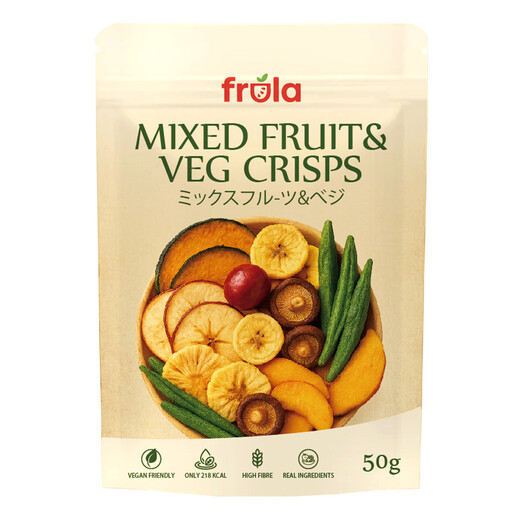
Why This Fits Their Persona: A compact resealable pack gives newcomers nine fruit and vegetable flavours to sample without committing to a large bag. It suits office drawers, school bags and occasional on-the-go snacking.
The ingredient percentages and nutrition information are provided, while the vacuum-cooked description does not replace the need to check oil, sugar and salt levels.
Nine named ingredients; 50g resealable pack; ready to eat and suitable as a crunchy topping.
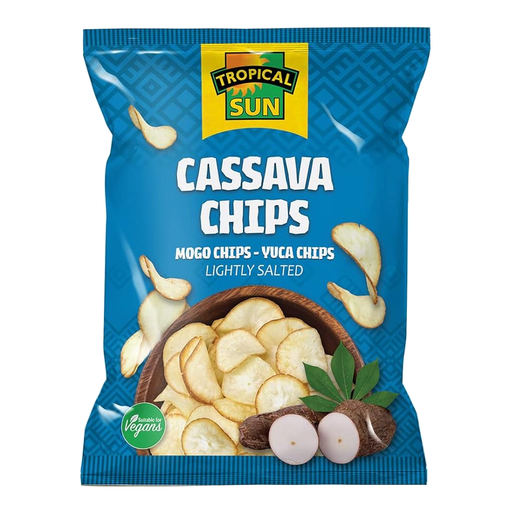
Why This Fits Their Persona: Shoppers seeking a straightforward root-vegetable snack may appreciate the short ingredient list and lightly salted flavour, whether served alone or with hummus and other dips.
The product is not presented as non-fried: it is lightly fried, so the cooking method and 26.3g fat per 100g are clear selection points.
Three listed ingredients; no allergens declared; 80g bag with no added salt in the unsalted version.
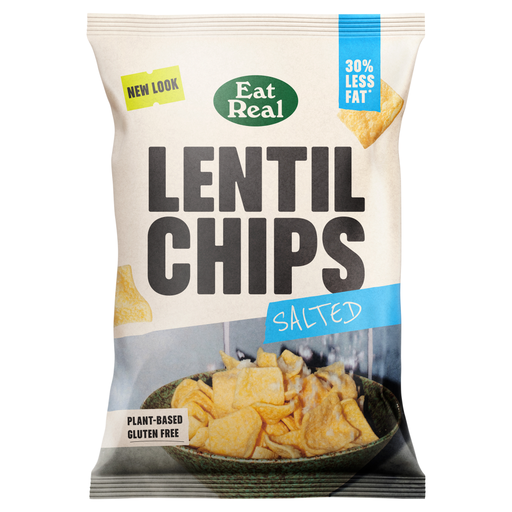
Why This Fits Their Persona: The 95g format works for sharing, picnics or keeping in a household snack cupboard. Its lentil flour base also suits shoppers looking for plant-based pulse snacks.
It is described as baked and plant-based, but the label still shows 2.4g salt and 459 kcal per 100g, helping buyers avoid vague “better-for-you” assumptions.
Lentil flour provides 13g protein per 100g; the supplied description identifies it as gluten-free and plant-based.
We have compiled a complete, real-time list of products that fully satisfy these strict selection criteria and UK safety regulations.
Not automatically. Nutrition varies by ingredient, oil, salt, sugar and portion size. Compare the per-100g and per-serving panels rather than relying on the vegetable name or cooking description.
Some are listed as gluten-free, including the supplied description for Eat Real Lentil Chips, while cassava-based products list no allergens. Others contain wheat flour or soy sauce powder. Always check the latest packaging and allergen statement before purchase.
Keep unopened packs in a cool, dry place away from direct sunlight. After opening, reseal the bag tightly to protect the texture. Some 30g Frula packs advise consuming within three days of opening, so smaller packs may be practical for lunch boxes and occasional servings.