
24/7 Customer Support

Free returns

Same-day & Next-day Delivery

Quality Guaranteed

Unlock Your Welcome Offers: FREE Delivery | Up to 80% OFF | Free 30-day JoyPlus trial
Download the APP
Vegetable crisps offer a change from ordinary potato snacks, with options ranging from yam chips and cassava to mushroom, okra, pumpkin and fruit-based crisps. However, a vegetable ingredient does not automatically make a snack low in fat, sugar or salt. For UK shoppers comparing ready-to-eat snacks online, the ingredient list, allergen information and pack size matter more than attractive claims on the front of the bag.
Many vegetable crisps are fried, vacuum-cooked or formed with flour, starch, oil and seasoning. Their nutrition may be similar to conventional crisps. For example, Penguin Planet Yam Chips contain 516 kcal and 25.6g of fat per 100g, while Three Squirrels Yam Chips contain 535 kcal and 30.4g of fat per 100g.
Look at the full nutrition panel rather than relying on phrases such as “natural”, “light” or “guilt-free”. A small 30g bag can help with portion awareness, but the per-100g figures remain useful for fair comparisons.
Alternative crisps are not always gluten-free crisps. Yam chips may contain wheat flour, while mushroom crisps can include soya sauce powder containing wheat. Pumpkin and millet snacks may also contain wheat or soya.
In the UK, check the allergen information highlighted on the packaging. If you have coeliac disease, an allergy or a medically diagnosed intolerance, do not rely on a product title alone. Also note “may contain” statements where shared production lines are involved.
Crispy snacks absorb moisture quickly after opening. A large bag may look economical but can lose its texture before it is finished, particularly in a warm or humid kitchen. Check the net weight, resealability and storage instructions. Smaller packs can suit lunchboxes, desk drawers and portion-controlled snacking, while 75g–115g bags may be more practical for sharing.
The percentage of the named ingredient tells you how central it is to the recipe. Penguin Planet Yam Chips contain at least 15% Chinese yam, Three Squirrels Yam Chips contain 13.5%, and Frula mushroom crisps list at least 52% or 60% mushroom, depending on the variety.
This does not determine taste or nutrition on its own, but it helps distinguish a vegetable-led snack from a wheat- or starch-led puffed product. Processing also affects texture: fried cassava chips tend to be dense and crunchy, while vacuum-cooked fruit and vegetable crisps can feel lighter and more porous.
Compare energy, fat, saturates, sugars and salt per 100g, then consider the actual serving size. Some fruit and vegetable crisps contain malt syrup, so their sugar content may be higher than expected. Frula apple crisps list 25g of sugars per 100g, while Tropical Sun Unsalted Cassava Chips list approximately 1.85g.
No single figure defines a suitable snack for everyone. Someone seeking a savoury office snack may prioritise lower sugar, whereas a family comparing flavours may focus on pack size and allergen suitability.
For gluten-free choices, the ingredient and allergen declaration should be checked every time. Tropical Sun Cassava Chips and Eat Real Sea Salt Lentil Chips are listed without gluten-containing ingredients, but Eat Real states that the product may contain soya and celery. Cassava chilli and lime, unsalted cassava and lentil chips also offer alternatives to wheat-based Chinese snacks.
For stronger flavours, consider chilli and lime cassava, Korean-style spicy mushroom crisps or spicy pumpkin crisps. For a milder option, lightly salted or unsalted cassava gives a more neutral base for dips.
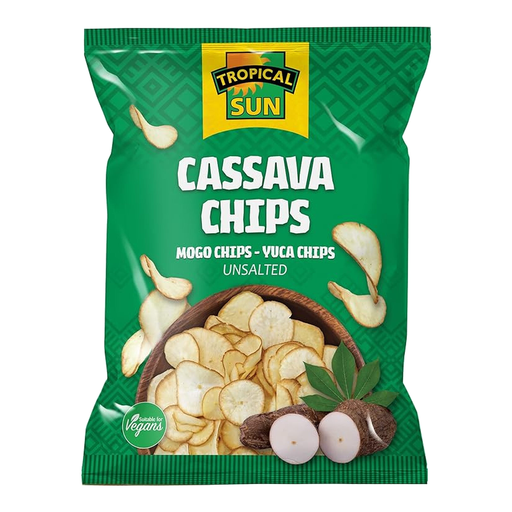
Why This Fits Their Persona: An accessible starting point for shoppers who want to try cassava without committing to a strongly flavoured snack. The 80g pack works for solo snacking or serving with dips.
The ingredient list contains cassava and palm oil only, with no added salt listed. This makes the flavour profile clear rather than hidden behind complex seasoning.
80g pack; no known allergens listed; ready to eat; salt is listed at 0.25g per 100g.
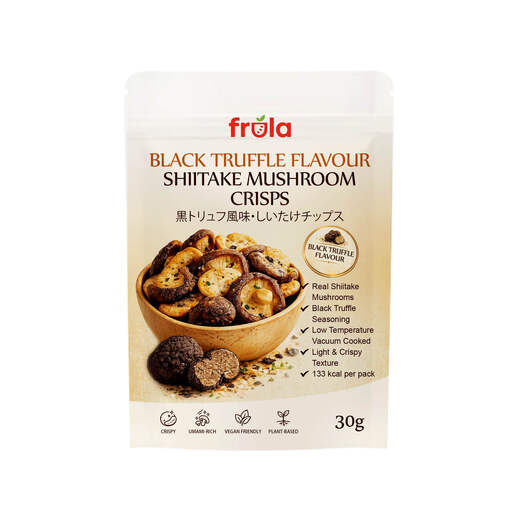
Why This Fits Their Persona: A small-format choice for adventurous snackers, drinks gatherings or cheese-board pairings, with an umami-led black truffle seasoning.
The pack states a minimum 52% shiitake mushroom, while the allergen declaration clearly identifies soya and wheat gluten in the seasoning.
30g portion; mushroom-led recipe; clearly stated wheat and soya allergens; ready to eat.
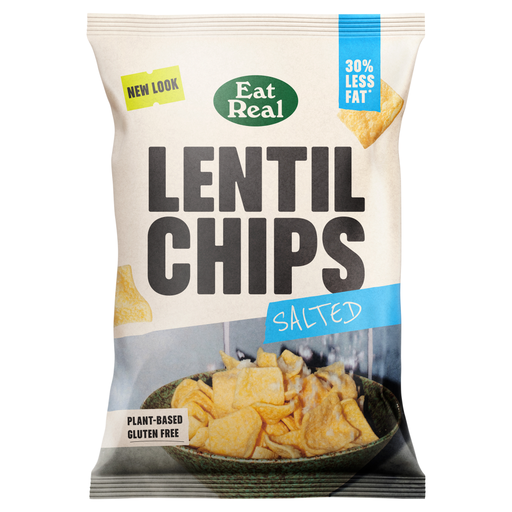
Why This Fits Their Persona: Suitable for office drawers, picnics and sharing when a larger plant-based snack pack is preferred. Its lentil base provides a different texture from standard vegetable crisps.
The recipe lists lentil flour at 43% and uses a short ingredient list, rather than presenting a vegetable image while relying mainly on wheat flour.
95g pack; plant-based recipe; 13g protein per 100g; no gluten-containing ingredient listed.
For families and students, Frula Mixed Fruits and Veg 50g combines pumpkin, banana, apple, pineapple, green peas, okra and shiitake mushroom in one resealable pack. Its label notes possible traces of gluten, soya, milk, peanuts, nuts and sesame, so it requires careful checking for allergy-sensitive households.
Those seeking a stronger savoury profile can compare cassava chips chilli and lime, okra crisps, pumpkin crisps or Korean-style spicy mushroom crisps. Shoppers wanting a simpler base may prefer Grace Exotic Chips – Cassava, lightly salted Tropical Sun cassava or plain mushroom crisps. These are all ready-to-eat snacks, but their calorie, salt and fat values vary considerably.
We have compiled a complete, real-time list of products that fully satisfy these strict selection criteria and UK safety regulations.
Not necessarily. Vegetable crisps can still be high in energy, fat, saturates, sugar or salt, depending on the ingredients and cooking method. Compare the nutrition panel per 100g and treat them as snacks rather than a substitute for a varied diet.
Cassava-based products and some lentil chips may be suitable, but always check the current packaging. Wheat can appear in yam chips, mushroom seasoning and puffed pumpkin products. “May contain” warnings are also important where cross-contact is possible.
Keep the bag sealed in a cool, dry place away from direct sunlight and moisture. For products such as mushroom, apple and mixed fruit and vegetable crisps, the supplied information recommends resealing and consuming within three days to help retain their crunch.