
24/7 Customer Support

Free returns

Same-day & Next-day Delivery

Quality Guaranteed

Unlock Your Welcome Offers: FREE Delivery | Up to 80% OFF | Free 30-day JoyPlus trial
Download the APP
Finding suitable vegetarian food in the UK is easier than ever, but a large range can make shopping less straightforward. Product labels may highlight “plant-based”, “high protein” or “natural flavour” while leaving out details that matter in everyday use.
Whether you are vegetarian, vegan, flexitarian, buying family food or looking for Asian vegetarian food, these checks can help you avoid unsuitable products and choose items that fit your meals, storage space and dietary requirements.
A vegetarian product may contain milk, egg or other animal-derived ingredients. For example, some meat-free nuggets use egg white and milk proteins, while creamy soups contain dairy. If you follow a vegan diet, look for a clear vegan statement and check the full ingredients list rather than relying on the product category.
Plant-based meat alternatives can vary considerably. A product may provide useful protein but also contain substantial salt, particularly seasoned snacks, mock meats and pickled vegetables. Compare the per 100g nutrition panel, especially protein, salt and saturated fat, rather than judging the product by its front-of-pack claims.
Ambient products are convenient for cupboards, while frozen vegetarian food requires reliable freezer space and correct handling. Some items are ready to eat, but others must be cooked until piping hot. Check whether the product needs refrigeration after opening, whether it can be refrozen and how many portions the pack provides.
For UK shoppers, the legally emphasised allergens should be easy to identify in the ingredients list. Common allergens in vegetarian food include soya, wheat, gluten, milk, egg, sesame, celery and mustard.
This is particularly important with:
“Plant-based” does not automatically mean allergen-free. Always check the packaging supplied with your order, as formulations can change.
Use the per-100g figures to compare products consistently. Then consider the actual serving size. For example, Quorn 24 Crispy Nuggets list 9.4g protein per 100g and 4.5g fibre, while a serving of four cooked nuggets is 77g. Wuxianzhai Spicy Vegetarian Beef Tripe provides 29.2g protein per 100g, but also lists 2.6g salt per 100g.
Neither figure alone determines whether a product suits you. A snack, side dish and main meal have different roles. Pair concentrated vegetarian snacks with vegetables, rice or noodles and consider lower-salt ingredients when using strongly seasoned products.
Choose the format that matches your routine:
For opened products, follow the stated refrigeration and use-by guidance. Do not refreeze food after it has thawed unless the packaging specifically permits it.
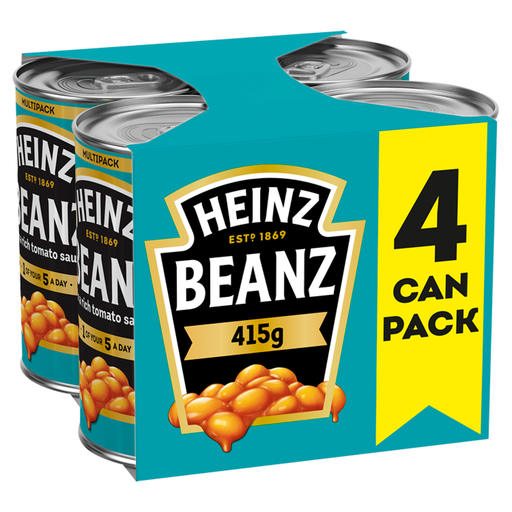
Why This Fits Their Persona: A cupboard-friendly multipack for students, first-time vegetarians and families needing a quick meal component.
The ingredients and allergen information are clearly listed, and the product is suitable for vegetarians and vegans. Check the stated salt content when planning the rest of the meal.
Four 415g cans; suitable for serving hot or cold; provides 4.8g protein and 4.8g fibre per 100g.

Why This Fits Their Persona: A convenient Korean side dish for shoppers who want distinctive Asian vegetarian food without preparing a full batch at home.
Its ambient format avoids immediate freezer planning, while the label identifies soya as an allergen. The 1.9g salt per 100g makes portion awareness important.
150g sliced format; suitable with rice, ramen, stir-fries or stews; stores unopened in a cool, dry place.
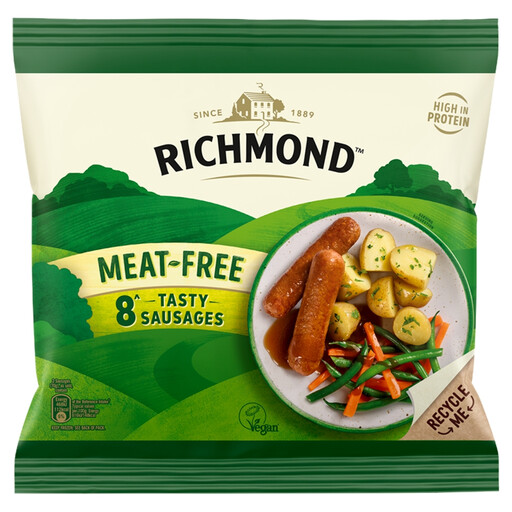
Why This Fits Their Persona: An option for households that regularly prepare meat-free breakfasts, bangers and mash, packed lunches or family dinners.
The pack gives clear cooking times and frozen storage guidance, reducing uncertainty about preparation. The ingredients identify soya and wheat proteins.
Eight sausages per 304g pack; oven or hob preparation; 6.4g fibre and 8.7g protein per 100g.
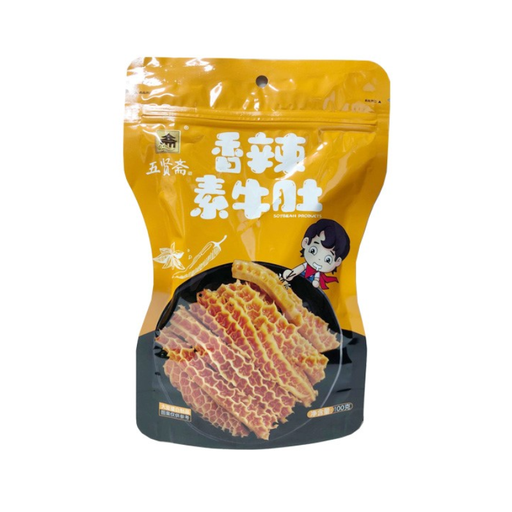
Why This Fits Their Persona: A ready-to-eat Sichuan-style snack for shoppers who enjoy chewy textures, chilli seasoning and plant-based versions of traditional foods.
The product is explicitly described as plant-based and ready to eat, while the label makes soya, wheat gluten and sesame visible as allergens.
100g ready-to-eat pack; 29.2g protein per 100g; suitable as a snack, appetiser or accompaniment to rice and salad.
We have compiled a complete, real-time list of products that fully satisfy these strict selection criteria and UK safety regulations.
For family meals, frozen vegetables such as Birds Eye Steamfresh Mixed Vegetables can provide a quick side dish, while vegetarian noodles, filled tofu and frozen meat-free nuggets add variety to the freezer. Pantry staples such as mushroom soup, olives, gherkins and pickled mustard greens can also support quick lunches and Asian-inspired recipes.
For vegetarian snacks, compare portion sizes carefully. Crispy seaweed thins, carrot sticks and soy-based snacks serve different purposes: one may suit a lunchbox, another a baby’s weaning stage and another an adult snack. Check age guidance, supervision instructions and allergen information where children are involved.
No. Vegetarian products can contain milk or egg. Check for a vegan declaration and read the ingredients and allergen statement every time, especially for nuggets, soups, sausages and ready meals.
Keep it at -18°C or below, cook according to the packaging instructions and avoid refreezing after thawing. If a product has thawed during delivery, follow the supplier’s food-safety guidance before use.
The answer depends on pack size, portion count and the ingredients used alongside the meal. Ready meals and frozen products can reduce preparation time and food waste, while larger packs of beans, vegetables or sausages may offer more portions for a household. Compare the price per 100g or per serving rather than the shelf price alone.