
24/7 Customer Support

Free returns

Same-day & Next-day Delivery

Quality Guaranteed

Unlock Your Welcome Offers: FREE Delivery | Up to 80% OFF | Free 30-day JoyPlus trial
Download the APP
The world of vegetarian meat has expanded far beyond the simple veggie burger. Whether you're a long-term vegetarian, a flexitarian reducing your meat intake or simply curious, the sheer variety of plant-based meat alternatives can be overwhelming. While the packaging promises juicy textures and savoury flavours, the reality can sometimes be a let-down.
As the Joybuy Product Recommendation Officer, my role is to help you navigate this growing market. We'll look past the marketing hype to identify what truly makes a quality meat-free alternative, ensuring your money is spent on products that deliver on their promise. Let's start by examining the common pitfalls that can lead to a disappointing meal.
To avoid these traps, focus on a few key parameters. Understanding these will empower you to select products that genuinely suit your needs, from quick weeknight vegetarian sausages to versatile vegetarian mince.
The foundation of any plant-based meat determines its texture and cooking behaviour. The most common types in the UK are:
Quorn. It is known for its fibrous, meat-like texture that holds up well in sauces and stews. It's naturally low in fat and high in fibre.Look beyond the front-of-pack claims and analyse the ingredients. A quality product will typically list its primary protein source (e.g., "Rehydrated Textured Soya Protein (95%)") early and in a high percentage. Be mindful of the sodium and saturated fat content per 100g, as these can vary dramatically between seemingly similar products. A shorter, more recognisable ingredient list is often, though not always, an indicator of a less ultra-processed product.
Instead of a generic list, we've matched specific products to different lifestyles and needs. This helps you find an option that not only tastes great but also fits perfectly into your routine.
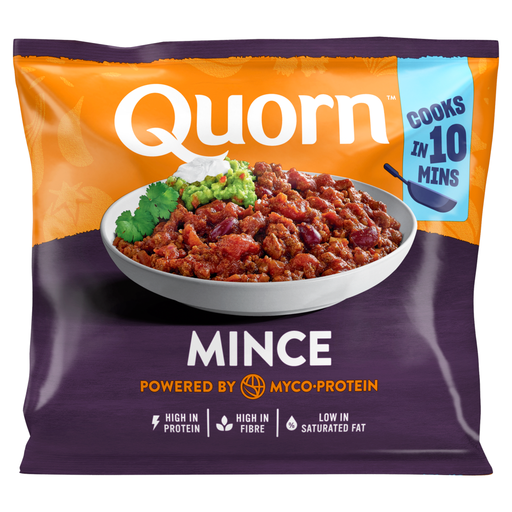
Why This Fits Their Persona: Perfect for recreating family-favourite dishes like Bolognese, shepherd's pie or chilli. It's a versatile freezer staple that cooks quickly and is familiar to many, making it an easy swap for anyone in the household.
The mycoprotein base provides a consistent, non-mushy texture that holds its structure in sauces, avoiding the 'Texture Trap'. It's also very low in sodium and saturated fat, countering the 'Healthy Halo' myth.
High in protein and fibre; cooks from frozen in minutes; incredibly versatile for a wide range of classic British and Italian dishes.
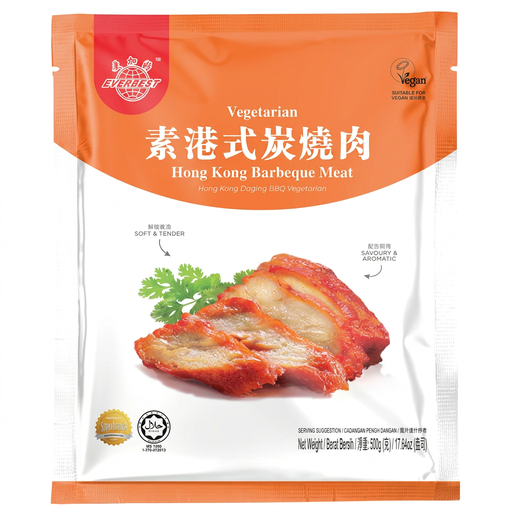
Why This Fits Their Persona: For those bored of standard burgers and sausages, this offers an authentic taste of Hong Kong-style Char Siu. It's perfect for someone who enjoys exploring world cuisines and wants a flavourful centrepiece for stir-fries, noodle dishes or bao buns.
This product sidesteps the 'Flavour Fa?ade' by offering a complex, sweet and savoury flavour profile from spices like cinnamon and star anise, not just salt. The wheat gluten base provides a satisfyingly firm and chewy texture.
Offers a unique, authentic East Asian flavour. The firm wheat gluten texture is ideal for slicing and frying, providing a satisfying chew that many alternatives lack.
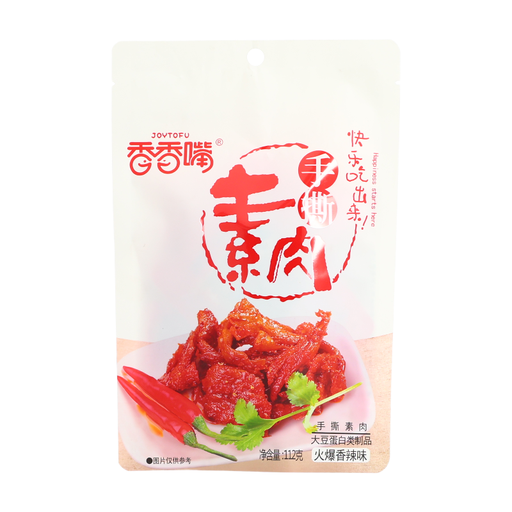
Why This Fits Their Persona: For those seeking a high-protein, flavour-packed snack that requires zero preparation. It's ideal for a desk drawer, gym bag or as a savoury bite on the go, offering something more substantial than crisps or nuts.
This product is designed as a snack, so its bold, spicy flavour is intentional and well-balanced, not a fa?ade. The hand-shredded soy protein provides a chewy, jerky-like texture that is satisfying and avoids being mushy.
Ready-to-eat format for ultimate convenience. High in protein (over 21g per 100g) and delivers a genuinely spicy, savoury flavour experience.
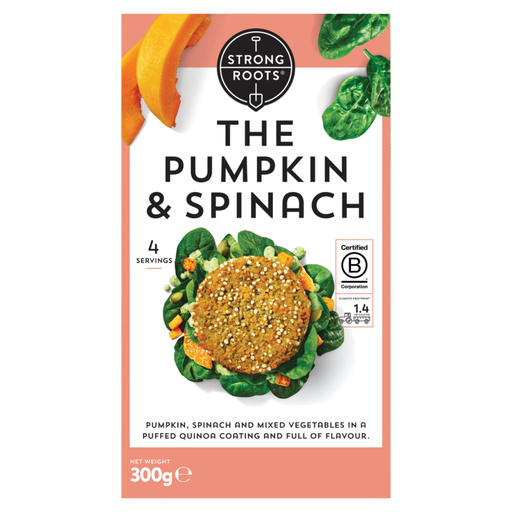
Why This Fits Their Persona: This is for the person who wants their `vegan meat` to be made of recognisable vegetables. It prioritises wholefood ingredients like pumpkin, spinach and brown rice over creating an exact meat replica, aligning with a less-processed dietary preference.
It completely avoids the 'Texture Trap' by not trying to mimic meat. Instead, it offers a satisfying, hearty vegetable patty texture. It also counters the 'Healthy Halo' myth by being genuinely built on whole ingredients with a transparent nutritional profile.
Made with a blend of pumpkin, spinach and brown rice. It's a source of fibre and has a low saturated fat content, making it a wholesome choice for a quick meal.
We have compiled a complete, real-time list of products that fully satisfy these strict selection criteria and UK safety regulations.
1. What is the main difference between soya, mycoprotein and wheat gluten in vegetarian meat? The primary difference is texture and origin. Soya protein is very versatile and can be made into many forms. Mycoprotein (Quorn) is derived from a fungus and has a naturally fibrous, chicken-like texture. Wheat gluten (seitan) is very dense and chewy, often used for "steak" or "roast" style products. Your preference will depend on the dish you are making and the texture you enjoy most.
2. Can you freeze vegetarian meat alternatives? Most meat-free alternatives sold in UK supermarkets are sold frozen and should be kept in your freezer until use. Many, like vegetarian mince and nuggets, can be cooked directly from frozen. If you buy fresh vegetarian meat, check the packaging. Most can be frozen at home on the day of purchase, but be sure to use them within the recommended timeframe after defrosting. Always check the on-pack instructions.
3. Are plant-based meats always better for the environment? Generally, producing plant-based proteins requires significantly less land, water and generates fewer carbon emissions compared to conventional livestock farming. However, the overall environmental footprint of a product also depends on its specific ingredients, processing, packaging and transportation. Choosing meat substitutes UK brands that are transparent about their sourcing and production can help you make a more informed decision.