
24/7 Customer Support

Free returns

Same-day & Next-day Delivery

Quality Guaranteed

Unlock Your Welcome Offers: FREE Delivery | Up to 80% OFF | Free 30-day JoyPlus trial
Download the APP
The world of vegetarian meat has expanded far beyond the nut roast. Whether you're a lifelong vegetarian, a committed vegan or a flexitarian looking to reduce your meat intake, the sheer variety of plant-based meat alternatives available in the UK is staggering. But with this explosion in choice comes a new set of challenges.
Navigating the freezer aisle and online stores can feel like a gamble. Products that promise a juicy, flavourful experience can sometimes fall flat, leaving you with a disappointing meal and a sense of wasted money. Before you add another item to your basket, let's look at the common pitfalls to avoid.
To make sure you're choosing a product that delivers on its promises, it pays to become a savvy label-reader. Focusing on a few key parameters can help you find high-quality meat-free alternatives that suit your needs.
The foundation of any vegetarian meat is its protein source, which largely determines its texture and nutritional profile. The most common types in the UK market are:
When comparing products, always check the protein content per 100g. A higher number generally indicates a more substantial and satiating product.
A quick scan of the ingredient list can tell you a lot. While all convenience foods involve some level of processing, a shorter, more recognisable list of ingredients is often a good sign. Pay close attention to the sodium (salt) content per 100g. Some ready-to-eat vegetarian snacks and seasoned products can contain high levels, so it's wise to be mindful of your daily intake.
Understanding the format is crucial for meal planning. The market is broadly split into two categories:
To help you choose, we've matched some standout products to common lifestyles and needs.
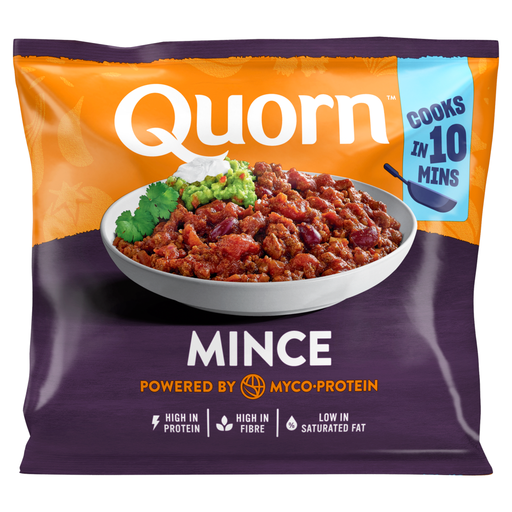
Why This Fits Their Persona: This is a kitchen staple for anyone wanting to create vegetarian versions of family favourites. It's incredibly versatile for making a quick spaghetti bolognese, a hearty cottage pie or spicy chilli, making it perfect for busy weeknight dinners.
It directly solves the "texture letdown" by using mycoprotein, which provides a reliable, fine-grained texture that holds up well in sauces without turning mushy.
High in protein (10g per 100g) and fibre (7g per 100g), low in saturated fat and cooks from frozen in just 10-12 minutes.
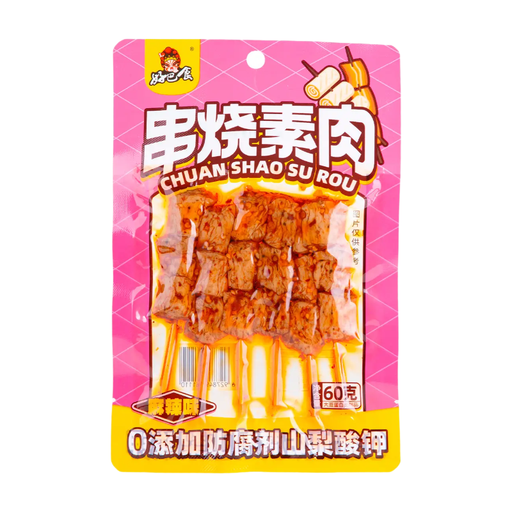
Why This Fits Their Persona: For those seeking bold flavours beyond the usual, this ready-to-eat Chinese vegetarian meat snack offers an authentic Sichuan mala (numbing and spicy) taste. It's perfect for an on-the-go protein boost or as a zesty side dish.
This product's firm, chewy texture from textured soy protein is its main feature, completely avoiding the "mushy" pitfall. The flavour is intense and satisfying, not bland.
A high-protein snack (18g per 100g) that requires no preparation. Its unique, spicy flavour profile offers a welcome change from typical Western meat-free options.
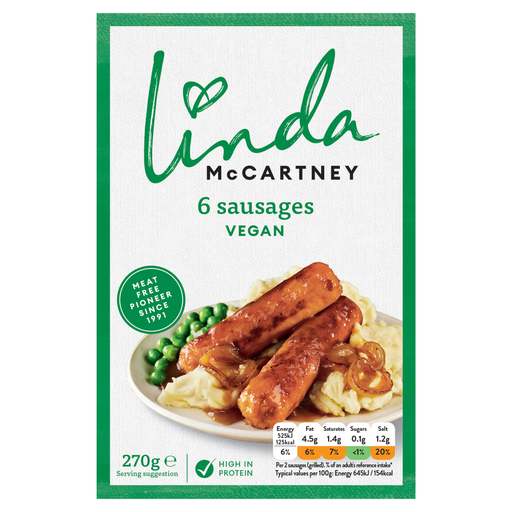
Why This Fits Their Persona: For those who love a classic British meal, these vegetarian sausages are a go-to. They are ideal for a weekend cooked breakfast, a comforting plate of bangers and mash or sliced into a casserole.
As a long-standing favourite, this product has a proven track record for good texture and a savoury, herby flavour that successfully avoids the blandness and mushiness of lesser-quality alternatives.
A solid source of protein (12.6g per 100g) and fibre. The seasoning is specifically designed to replicate the taste of a traditional British sausage.
We have compiled a complete, real-time list of products that fully satisfy these strict selection criteria and UK safety regulations.
In simple terms, mycoprotein (Quorn) is a fungi-based protein with a naturally fibrous texture. Soy protein is very versatile and can be made into many forms, from soft to very firm. Seitan (wheat gluten) is known for being exceptionally dense and chewy, often used for making very meat-like chunks and slices. Your preference will likely depend on the specific dish you are making.
It depends entirely on the product. Many plant-based meats are high in protein and fibre and lower in saturated fat than their meat counterparts. However, others can be highly processed and high in salt. The key is to read the nutritional information and ingredient list, just as you would with any other food, to ensure it aligns with your dietary goals.
Most frozen vegetarian meal components, like mince, sausages and nuggets, are designed to be cooked directly from frozen for convenience. This makes them excellent for quick and easy meals. Always check the cooking instructions on the packaging, as this will provide the correct method and timings for the specific product. Ready-to-eat snacks, of course, require no cooking at all.