
24/7 Customer Support

Free returns

Same-day & Next-day Delivery

Quality Guaranteed

Unlock Your Welcome Offers: FREE Delivery | Up to 80% OFF | Free 30-day JoyPlus trial
Download the APP
The world of vegetarian meat has expanded far beyond the simple veggie burger. From ready-to-eat Asian vegetarian snacks to versatile frozen fillets, the choices are vast. But with so much variety comes confusion. It's easy to be swayed by clever marketing, only to end up with a product that's disappointing in texture, flavour or nutritional value.
As the Joybuy Product Recommendation Officer, my role is to help you navigate this market. This guide cuts through the clutter, highlighting common pitfalls and focusing on the key factors that truly matter when selecting plant-based meat alternatives. We'll look at what makes a good choice for your meals and snacks, ensuring you get value and satisfaction from your purchase.
Before you add anything to your basket, be aware of these frequent issues that can lead to a disappointing purchase:
Chinese mock meat and snacks, where flavour profiles can differ significantly from typical UK expectations.To avoid these traps, focus on a few core parameters. Analysing these will help you find a vegetarian meat product that genuinely suits your needs, whether you're looking for a quick high-protein snack or a centrepiece for your evening meal.
The primary ingredient dictates the texture, nutritional profile and even the taste of vegan meat. Understanding the differences is key.
vegan steak to softer, shredded textures. Puffed soy products are often used in Asian vegetarian snacks to create a light but chewy bite.vegetarian chicken or beef-style products.Your lifestyle and cooking habits will determine which format is right for you.
high protein vegetarian snacks or travel. Many ready to eat vegan meals fall into this group.Frozen vegetarian meat products like fillets, chunks or roasts offer great versatility for home cooking. They can be pan-fried, baked or added to stir-fries, curries and stews, allowing you to control the final flavour and build a meal around them.Instead of a generic list, we've matched specific products to different needs and preferences, helping you find the right fit for your kitchen.
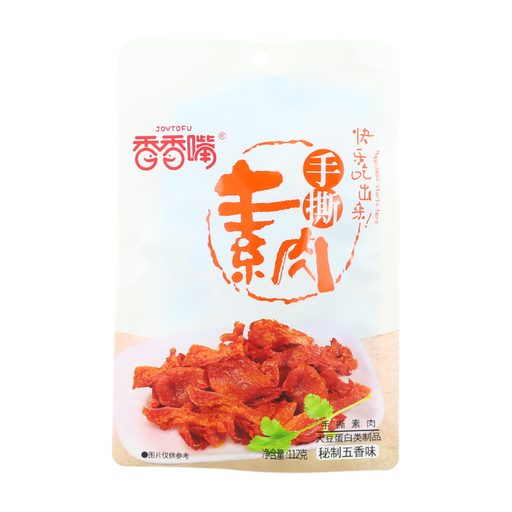
Why This Fits Their Persona: This is for the busy individual who needs a flavourful, high-protein snack that requires no preparation. It's perfect for a desk drawer, gym bag or lunchbox, offering a satisfyingly chewy texture and an authentic Asian flavour profile.
It sidesteps the texture mismatch by delivering a specific "hand-pulled" fibrous quality. The "Five-Spice" flavour is distinct, avoiding the vague "savoury" label and setting clear expectations for an authentic Chinese mock meat taste.
Ready-to-eat format for ultimate convenience. Provides 18g of protein per 100g, making it a substantial snack.
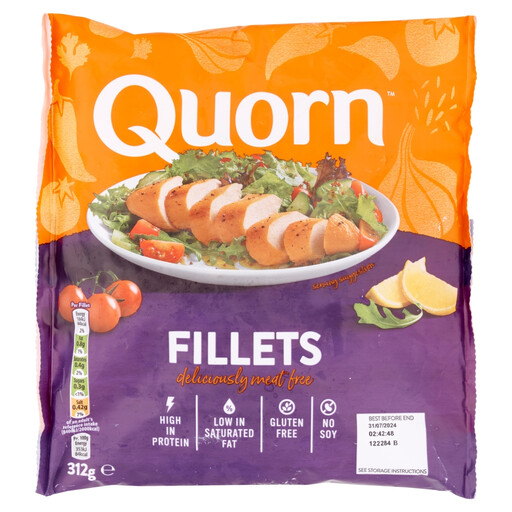
Why This Fits Their Persona: Ideal for those who enjoy cooking and want a blank canvas. These unseasoned mycoprotein fillets can be marinated, breaded or sliced for use in curries, stir-fries, wraps and salads. They provide a reliable vegetarian chicken substitute.
This product avoids the "healthy halo" trap by being genuinely low in fat and a good source of fibre, with clear nutritional facts. By being plain, it also bypasses the misleading flavour pitfall, giving the cook complete control over the final taste.
Extremely versatile for various recipes. The mycoprotein base provides a succulent texture and is a source of fibre.
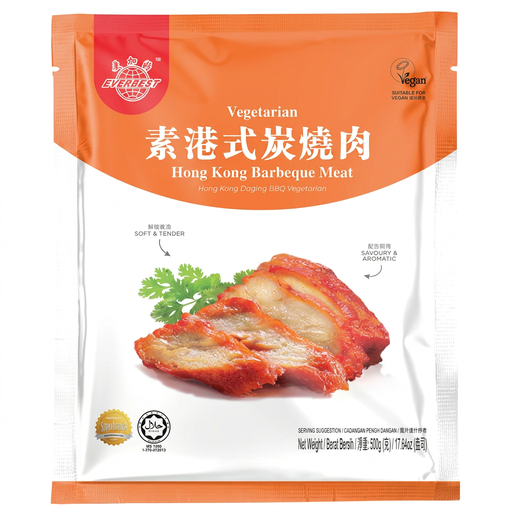
Why This Fits Their Persona: For the person keen to replicate authentic East Asian dishes at home. This product mimics Chinese Char Siu (barbecued pork) and is perfect for those looking for a specific, traditional flavour rather than a generic meat substitute.
It directly counters the misleading flavour trap by offering an authentic Hong Kong-style BBQ taste, seasoned with five-spice powder and pandan. This is not a Western BBQ flavour, and the product is clear about its culinary origins.
Delivers an authentic Char Siu flavour profile. The wheat gluten base provides a satisfyingly firm and chewy texture suitable for this style of dish.
We have compiled a complete, real-time list of products that fully satisfy these strict selection criteria and UK safety regulations.
Here are answers to a few common queries from UK shoppers exploring the world of plant-based meat.
Not necessarily. While many plant-based options are lower in saturated fat and cholesterol, some can be high in sodium and may be considered ultra-processed. The key is to read the nutritional label. Look for products with a straightforward ingredients list and favourable levels of protein, fibre, salt and fat that align with your dietary goals.
Once opened, it's important to prevent freezer burn. If the original packaging isn't resealable, transfer the remaining frozen vegetarian meat to an airtight container or a sealable freezer bag. Squeeze out as much air as possible before sealing. Always check the package for specific storage instructions, but most should be consumed within a month of opening for optimal quality.
Generally, soy protein is incredibly versatile and can be made into anything from soft, crumbly mince to firm, layered chunks. Wheat gluten (seitan) has a distinctly dense, chewy, and fibrous texture that many find to be the most similar to meat. Mycoprotein is known for being tender and succulent, with a texture often compared to that of chicken breast. Your preference will depend on the dish you are making.