
24/7 Customer Support

Free returns

Same-day & Next-day Delivery

Quality Guaranteed

Unlock Your Welcome Offers: FREE Delivery | Up to 80% OFF | Free 30-day JoyPlus trial
Download the APP
Choosing vegetarian snacks and meat alternatives online can be more complicated than it first appears. Product names may suggest “meat-free”, “plant-based” or “vegan”, but those terms do not always answer the questions that matter at home: Does it contain egg or dairy? Is it ready to eat, chilled or frozen? Will the texture work in a stir-fry, lunchbox or sharing platter?
This guide from the Joybuy Product Recommendation Officer focuses on the details that can prevent unsuitable purchases, from hidden allergens to misleading portion expectations.
A vegetarian product may still contain egg, milk, gelatine, honey or other animal-derived ingredients. Confectionery is a frequent example: some chewy sweets use gelatine or beeswax, while others are made without animal ingredients. Always read the current ingredient list rather than relying solely on a product title or front-of-pack wording.
For households with allergies, check the highlighted allergen information as well. Several Asian vegetarian food products use soybeans, wheat, gluten or sesame, even where the product is entirely plant-based.
Ready-to-eat snacks, frozen vegetarian foods and cook-from-frozen meat alternatives have very different practical uses. A frozen mock meat product may be convenient for dinner, but it needs freezer space and suitable cooking equipment. Conversely, an individually wrapped snack can be useful for work, travel or packed lunches but may not replace a substantial meal.
Check whether the item says ready to eat, cook from frozen, or keep frozen at -18°C or below. Do not refreeze food after it has thawed unless the packaging specifically permits it.
“High protein”, “zero sugar” or “low calorie” can be useful descriptions, but they should be assessed alongside salt, saturated fat, fibre, serving size and total ingredients. For instance, a plant-based snack can provide protein while also being relatively salty. A sugar-free biscuit may contain sweeteners and may carry a warning that excessive consumption can produce a laxative effect.
Use nutrition information to compare products for your own needs, rather than assuming a single front-of-pack claim makes a food suitable for every occasion.
Look for a clear ingredient list and highlighted allergens. Soy and wheat are common in plant-based meat alternatives, including vegetarian sausages, vegetarian beef tripe and textured mock meat. Some products may also contain sesame, egg or traces of other allergens.
If you follow a vegan diet, look beyond “vegetarian” and confirm that the ingredients contain no dairy, egg, gelatine, beeswax or other animal-derived components. Recipes can change, so check the packaging supplied with your order.
A 100g pouch of spicy konjac snacks is suited to individual snacking, while a 500g frozen product is more appropriate for cooking and sharing. Multipacks can offer portion control and convenience, but calculate the actual quantity per pack before comparing value.
Individually wrapped products such as 18g snack portions or multi-pack sweets can work well for family cupboards, office drawers and school-day treats. Larger frozen packs may be more suitable for meal planning.
Shelf-stable products generally need a cool, dry place away from direct sunlight. Once opened, reseal them and consume them according to the label. Frozen items should remain at -18°C or below and must be heated through as instructed.
Preparation time also affects value. Some frozen vegetarian foods, such as Punjabi samosas, can be cooked straight from frozen. Others may need pan frying, air frying or boiling. Match the product to the equipment and time you actually have available.

Why This Fits Their Persona: The 18g × 20 format gives new shoppers individually wrapped portions for trying a Sichuan-style snack or sharing at home.
The listing identifies it as ready to eat and provides a full ingredient and allergen declaration, including soy and wheat.
20 individually wrapped packs; 114 kcal and 3.2g salt per 100g as listed.
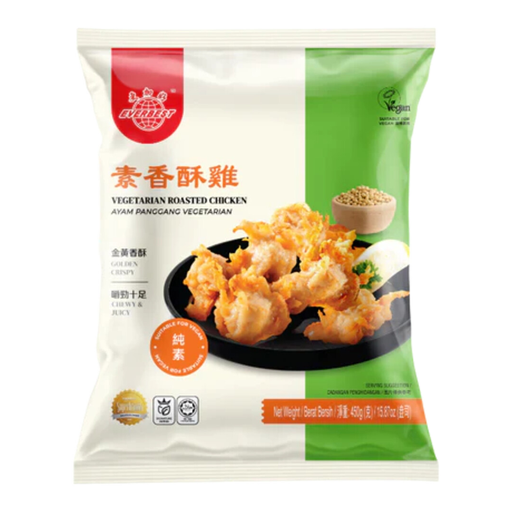
Why This Fits Their Persona: This frozen soy-based alternative suits shoppers who want a versatile centrepiece for stir-fries, salads, sandwiches or rice-based meals.
Its cooking instructions specify air frying, deep frying or pan frying from frozen, avoiding uncertainty over preparation.
450g pack; 19g protein per 100g; suitable for vegan diets according to the supplied product description.
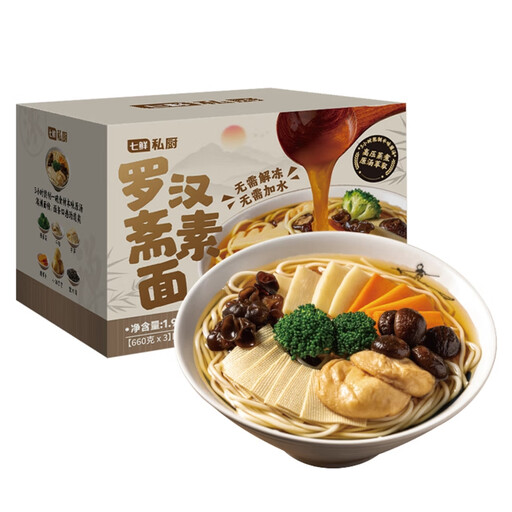
Why This Fits Their Persona: The 1.98kg three-pack is designed for households wanting convenient Asian vegetarian food and freezer-friendly meal portions.
The pack states that no thawing is needed and gives direct boiling instructions, while storage is clearly listed as -18°C or below.
Three 660g packs; contains noodles, mushrooms, bamboo shoots and vegetables; listed as suitable for vegans.
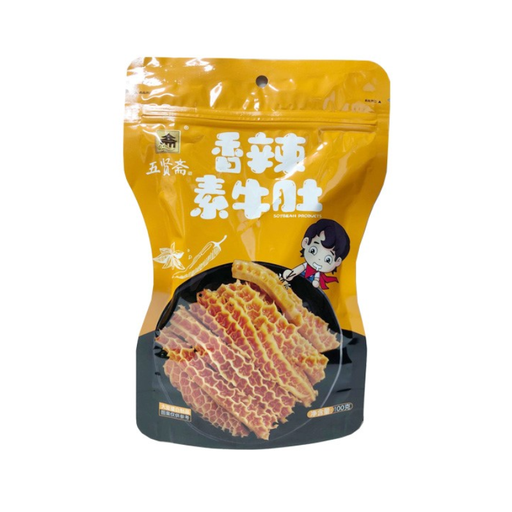
Why This Fits Their Persona: This ready-to-eat plant-based snack offers firm texture and Sichuan-style spice for solo snacking or serving with rice and salad.
The product is presented as a konjac-based alternative rather than animal tripe, with listed ingredients and ready-to-eat instructions.
100g pouch; 327 kcal and 29.2g protein per 100g as listed; contains soy, wheat and sesame.
For a wider selection, consider pairing snacks with different use cases:
We have compiled a complete, real-time list of products that fully satisfy these strict selection criteria and UK safety regulations.
Not automatically. Vegetarian snacks may contain egg, dairy, gelatine or beeswax. Look for a clear vegan suitability statement and verify the ingredients and allergen information on the supplied packaging.
Keep them at -18°C or below. Follow the cooking instructions, and do not refreeze once thawed. If packaging is damaged or a product has defrosted during delivery, check the retailer’s guidance before use.
They are generally more suitable as snacks, appetisers or meal additions unless the nutrition information and serving size make them appropriate for your planned meal. Combine them with vegetables, grains or other foods according to your preferences and dietary needs.